THE ADVENTURE COLLECTIVE® · Independent discovery and booking for outdoor travel

A private full-day drive from Osaka that pairs urban landmarks with sacred sites—feed Nara’s famous deer, visit Tōdai-ji and Osaka Castle, then find quiet reflection at Katsuo-ji. Expect 8–10 hours of walking, history, and local food stops.
A private full-day drive from Osaka that pairs urban landmarks with sacred sites—feed Nara’s famous deer, visit Tōdai-ji and Osaka Castle, then find quiet reflection at Katsuo-ji. Expect 8–10 hours of walking, history, and local food stops.
You step out of a luxury car onto a wide stone plaza and hear a soft rustle: deer pads on gravel, curious eyes tracking your movement. The guide passes a small packet of shika senbei and the animals approach with polite insistence—Nara Park’s residents make the first impression here, equally bold and ceremonial.
Verified experiences and guided adventures in the surrounding area.
Operated by Osaka travels · Osaka, Osaka Prefecture
You step out of a luxury car onto a wide stone plaza and hear a soft rustle: deer pads on gravel, curious eyes tracking your movement. The guide passes a small packet of shika senbei and the animals approach with polite insistence—Nara Park’s residents make the first impression here, equally bold and ceremonial.
This full-day private tour threads together Kansai’s civic and sacred history. In Nara, walk beneath cedar limbs toward Tōdai-ji’s Daibutsuden, a wooden hall rebuilt after medieval fires but still carrying the weight of the 8th-century capital. Back in Osaka, the thick stone of Osaka Castle speaks to Sengoku-era power and Toyotomi ambition, while Umeda’s Floating Garden cuts a modern silhouette above the city.
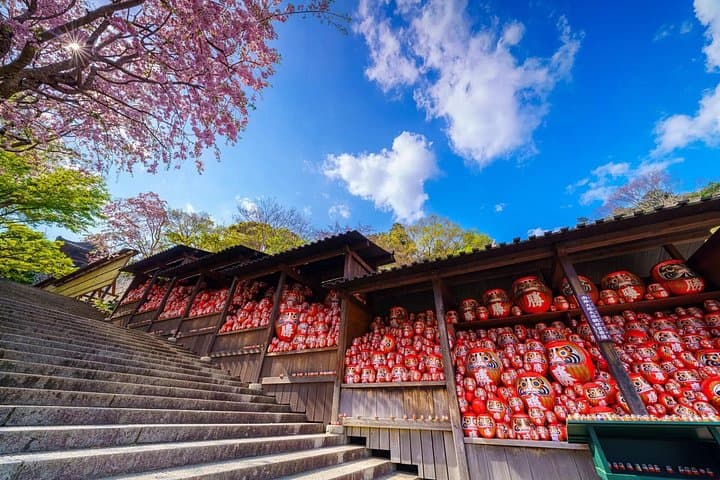
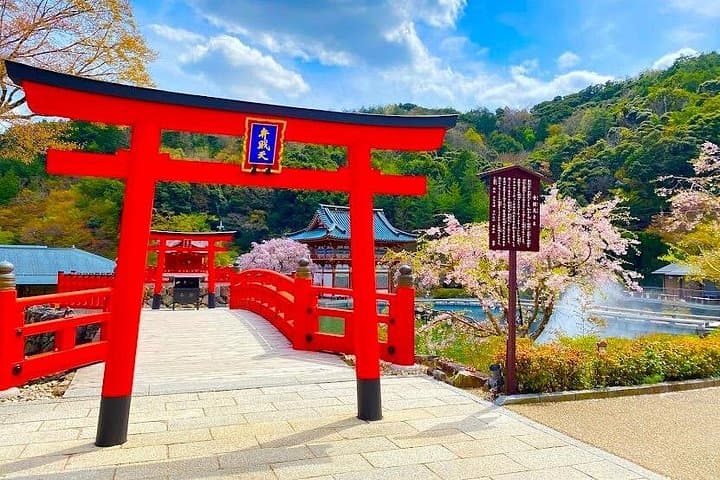
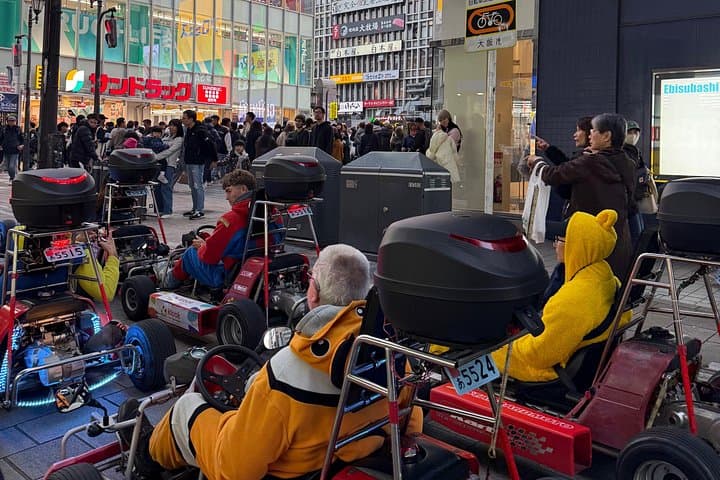
Geologically the region sits on low hills and river plains—easy on the knees but expect steps and cobbled temple approaches. Culturally, the tour balances Shinto reverence (the deer as messengers) with urban food life in Dotonbori; Katsuo-ji adds a quieter mountain-temple contrast, long associated with prayers for victory and good fortune.
Practical guidance: this is an 8–10 hour private itinerary with moderate walking (paved paths, temple stairs, observatory elevators). Bring layered clothing, a rain shell in typhoon season, comfortable shoes, cash for small shrine offerings and souvenir crackers, and reserve time for food stops in Dotonbori or local teahouses. The private vehicle reduces transit stress, but traffic can extend travel between stops—plan a relaxed morning and leave a margin for photo stops and shrine visits.
Some stops include admission per the itinerary, but bring cash for any optional exhibits, and check in advance whether entry fees are covered.
Expect moderate walking—paved park paths, temple approaches with stairs, and short urban strolls; overall activity is easy but continuous over the day.
As a private tour, routes and timing are flexible—ask your guide to emphasize food, photography, or quieter temple time when booking.
Yes—infant seats and stroller access are noted, but bring patience for walking and keep children supervised around deer.
Osaka travels operates guided outdoor trips and adventures with an emphasis on safety, stewardship, and memorable experiences.
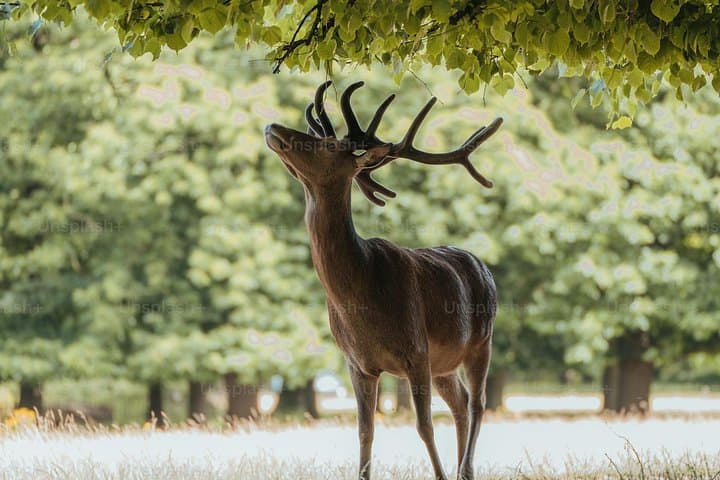
You step out of a luxury car onto a wide stone plaza and hear a soft rustle: deer pads on gravel, curious eyes tracking your movement. The guide passes a small packet of shika senbei and the animals approach with polite insistence—Nara Park’s residents make the first impression here, equally bold and ceremonial.
You step out of a luxury car onto a wide stone plaza and hear a soft rustle: deer pads on gravel, curious eyes tracking your movement. The guide passes a small packet of shika senbei and the animals approach with polite insistence—Nara Park’s residents make the first impression here, equally bold and ceremonial.
This full-day private tour threads together Kansai’s civic and sacred history. In Nara, walk beneath cedar limbs toward Tōdai-ji’s Daibutsuden, a wooden hall rebuilt after medieval fires but still carrying the weight of the 8th-century capital. Back in Osaka, the thick stone of Osaka Castle speaks to Sengoku-era power and Toyotomi ambition, while Umeda’s Floating Garden cuts a modern silhouette above the city.
Geologically the region sits on low hills and river plains—easy on the knees but expect steps and cobbled temple approaches. Culturally, the tour balances Shinto reverence (the deer as messengers) with urban food life in Dotonbori; Katsuo-ji adds a quieter mountain-temple contrast, long associated with prayers for victory and good fortune.
Practical guidance: this is an 8–10 hour private itinerary with moderate walking (paved paths, temple stairs, observatory elevators). Bring layered clothing, a rain shell in typhoon season, comfortable shoes, cash for small shrine offerings and souvenir crackers, and reserve time for food stops in Dotonbori or local teahouses. The private vehicle reduces transit stress, but traffic can extend travel between stops—plan a relaxed morning and leave a margin for photo stops and shrine visits.