
Private Neolithic Tour of the Complete Stonehenge Landscape — Guided Day Tour from Salisbury
Walk the Stonehenge landscape with a private guide, moving between standing stones, long barrows and prehistoric avenues. This full-day tour pairs archaeological insight with hands-on walking across the Wiltshire chalk plain.
An Adventure In Salisbury.
Walk the Stonehenge landscape with a private guide, moving between standing stones, long barrows and prehistoric avenues. This full-day tour pairs archaeological insight with hands-on walking across the Wiltshire chalk plain.
Read the full experience
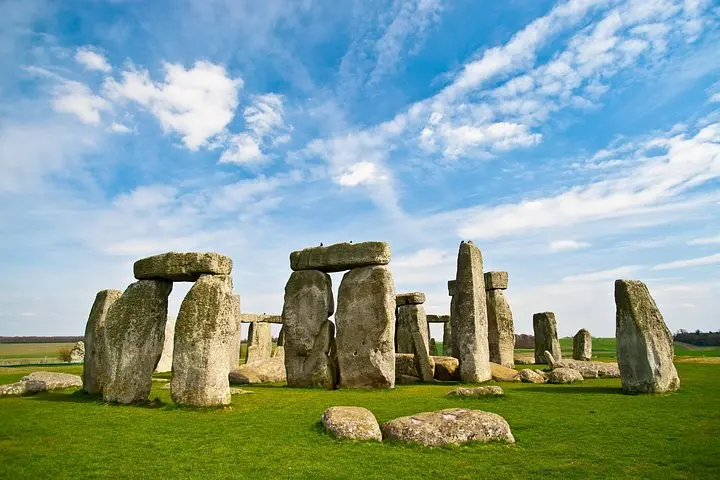
A low sun sweeps across chalk grassland as the coach eases onto a narrow lane and the stones come into view—stoic, weathered, and aligned with a rhythm older than roads. On a private Neolithic tour of the Stonehenge landscape, a small group leaves the parking lot and moves onto paths that thread between burial mounds and river valleys, guided by someone who reads lines of sky as deliberately as one reads a map.
A low sun sweeps across chalk grassland as the coach eases onto a narrow lane and the stones come into view—stoic, weathered, and aligned with a rhythm older than roads. On a private Neolithic tour of the Stonehenge landscape, a small group leaves the parking lot and moves onto paths that thread between burial mounds and river valleys, guided by someone who reads lines of sky as deliberately as one reads a map.
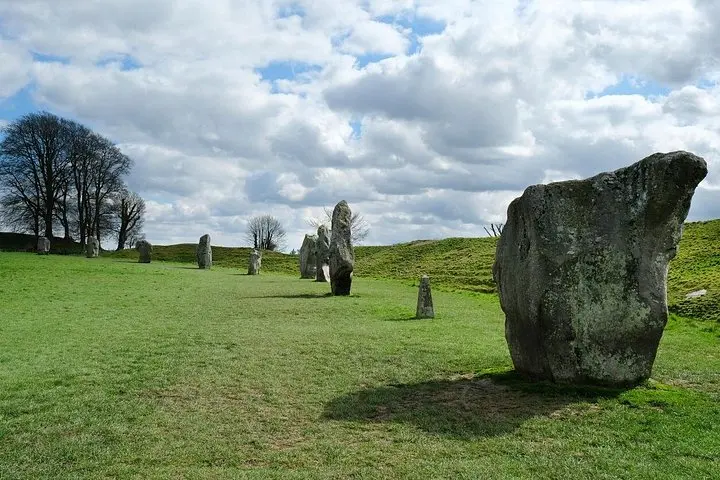
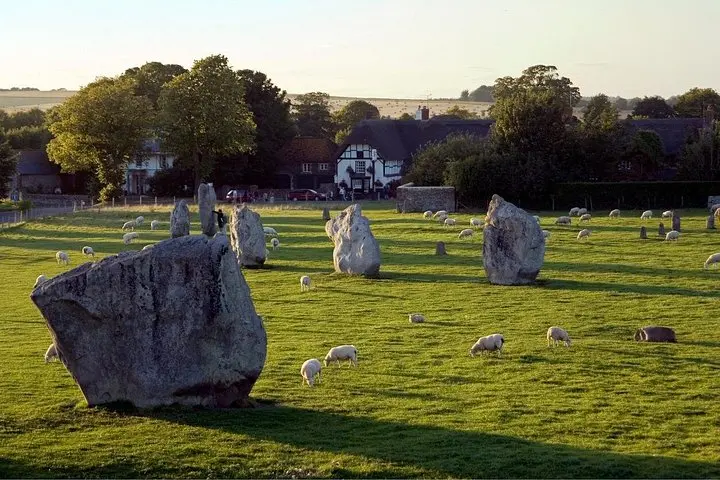
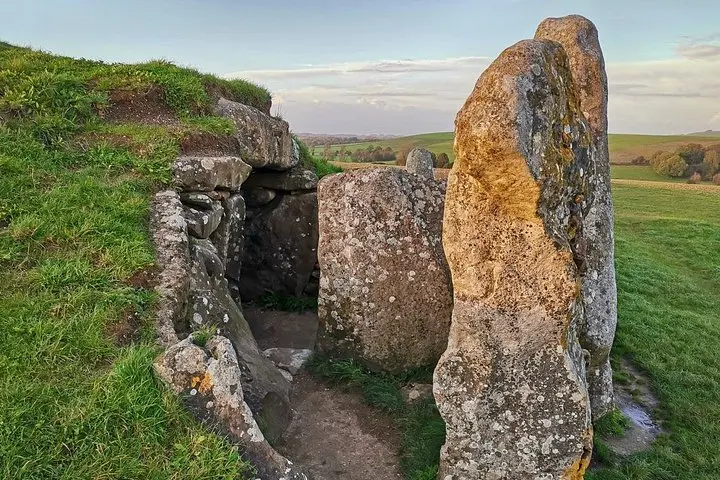
This landscape was shaped by Ice Age deposits and later cleared by early farmers; the stone settings date to roughly 2500–3000 BCE while long barrows around them reach back to 3650 BCE. Visitors encounter not just Stonehenge but the West Kennett Avenue, Woodhenge, and long barrows—places of procession, burial and celestial calculation. English Heritage and Wiltshire archaeologists have pieced together how solstice alignments and community processions organized life and death here.
Practically, expect six hours on a private itinerary with guided walking totaling the equivalent of 15,000–20,000 steps across uneven turf and compacted paths. Admission to Stonehenge itself is often separate; confirm whether entry tickets are included before arrival. Wear supportive footwear, layer for wind off the plain, and carry water and a small daypack. Mornings bring clearer light and quieter paths; late afternoons warm the stones and make for strong photos. The terrain rewards steady footwork rather than speed—pause at long barrows to feel the space and listen for skylarks above. Stick to marked routes to protect archaeology and follow your guide’s access instructions—these sites are fragile and best experienced with respect.
Frequently asked questions
Not always—confirm at booking. Many private tours require you to purchase English Heritage admission separately.
Plan for several kilometers and roughly 15,000–20,000 steps across grass and compact paths over the full day.
The operator notes it’s not recommended for children under 10 due to long walks; child safety seats are available for transport.
Access varies—some viewpoints are reachable but main interior accesses and long barrows are on uneven ground; check with the provider for specifics and alternative arrangements.
About This Experience
Stonehenge & More - Private Tours operates guided outdoor trips and adventures with an emphasis on safety, stewardship, and memorable experiences.
Adventure tips
Recommended gear
- Sturdy walking shoes: Support and traction for uneven turf and compacted archaeological paths.
- Waterproof/windproof jacket: Protects against wind and sudden rain on exposed chalk downland.
- Reusable water bottle (1L+): Keeps you hydrated during prolonged walking between sites.
- Daypack with basic first-aid and snacks: Holds layers, snacks, and any personal items for a six-hour outing.
Photos of the experience
Related adventures & guides
Read the full experience
A low sun sweeps across chalk grassland as the coach eases onto a narrow lane and the stones come into view—stoic, weathered, and aligned with a rhythm older than roads. On a private Neolithic tour of the Stonehenge landscape, a small group leaves the parking lot and moves onto paths that thread between burial mounds and river valleys, guided by someone who reads lines of sky as deliberately as one reads a map.
A low sun sweeps across chalk grassland as the coach eases onto a narrow lane and the stones come into view—stoic, weathered, and aligned with a rhythm older than roads. On a private Neolithic tour of the Stonehenge landscape, a small group leaves the parking lot and moves onto paths that thread between burial mounds and river valleys, guided by someone who reads lines of sky as deliberately as one reads a map.
This landscape was shaped by Ice Age deposits and later cleared by early farmers; the stone settings date to roughly 2500–3000 BCE while long barrows around them reach back to 3650 BCE. Visitors encounter not just Stonehenge but the West Kennett Avenue, Woodhenge, and long barrows—places of procession, burial and celestial calculation. English Heritage and Wiltshire archaeologists have pieced together how solstice alignments and community processions organized life and death here.
Practically, expect six hours on a private itinerary with guided walking totaling the equivalent of 15,000–20,000 steps across uneven turf and compacted paths. Admission to Stonehenge itself is often separate; confirm whether entry tickets are included before arrival. Wear supportive footwear, layer for wind off the plain, and carry water and a small daypack. Mornings bring clearer light and quieter paths; late afternoons warm the stones and make for strong photos. The terrain rewards steady footwork rather than speed—pause at long barrows to feel the space and listen for skylarks above. Stick to marked routes to protect archaeology and follow your guide’s access instructions—these sites are fragile and best experienced with respect.
Make a day of it nearby.
Verified experiences and guided adventures in the surrounding area.