THE ADVENTURE COLLECTIVE® · Independent discovery and booking for outdoor travel
Descend into one of the densest wildlife arenas on Earth with a private day trip from Arusha to Ngorongoro Crater. Expect steep rim views, intimate animal encounters and a full day of guided viewing and a picnic on the crater floor.
Descend into one of the densest wildlife arenas on Earth with a private day trip from Arusha to Ngorongoro Crater. Expect steep rim views, intimate animal encounters and a full day of guided viewing and a picnic on the crater floor.
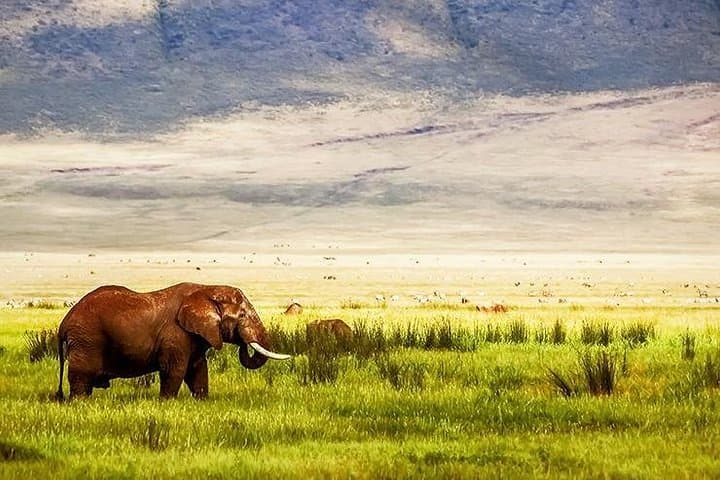
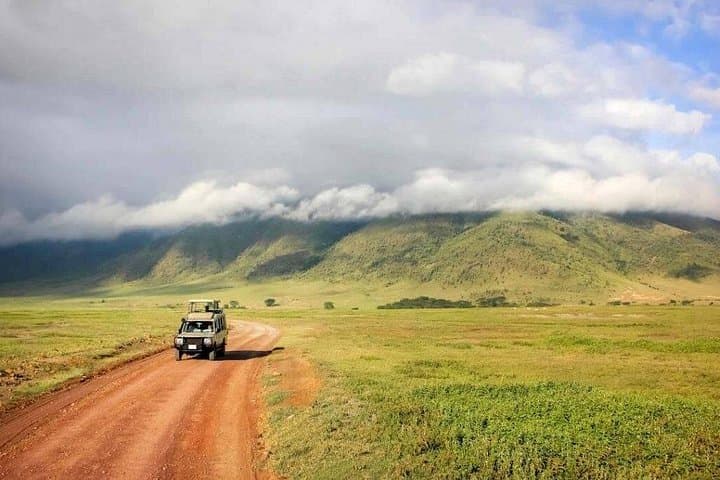
A pale dawn lifts off the Arusha plains and the minivan hums toward a rim that drops away in a single, breath-stealing sweep. By midmorning the driver eases to the edge and the crater opens: a 600‑meter fall to a mosaic of forest, marsh and open savannah where lions prowl, flamingoes stain the lake pink, and hippos wallow in quiet waterholes. The air on the crater floor feels different—thinner and warmer at once—and the grasses seem to push at the vehicle as if urging on the next sighting.
Verified experiences and guided adventures in the surrounding area.
Operated by Martial Adventure Safaris · Karatu, Arusha Region
A pale dawn lifts off the Arusha plains and the minivan hums toward a rim that drops away in a single, breath-stealing sweep. By midmorning the driver eases to the edge and the crater opens: a 600‑meter fall to a mosaic of forest, marsh and open savannah where lions prowl, flamingoes stain the lake pink, and hippos wallow in quiet waterholes. The air on the crater floor feels different—thinner and warmer at once—and the grasses seem to push at the vehicle as if urging on the next sighting.
Geologically, Ngorongoro is an unbroken caldera formed when a giant volcanic cone collapsed; the result is roughly 260 km² of enclosed ecosystem with rim elevations around 2,100–2,400 m and a bowl of wildlife density that’s rare anywhere. The Maasai have grazed the rim and surrounding highlands for generations, and their presence shapes land use and conservation in the Ngorongoro Conservation Area.
Practically, expect an early pickup from Arusha, a descent of about 600 meters to the crater floor for several hours of guided wildlife viewing, and a picnic lunch at a marsh overlook. Wildlife encounters are intimate but unpredictable—black rhino sightings are possible but not guaranteed. Roads are gravel and bumpy; binoculars, motion‑sickness remedies, sun protection and warm layers for the rim are sensible. Vehicles are sturdy but not off‑road-proof, so mobility restrictions matter. Return to Arusha is usually by late afternoon.
This private tour balances focused wildlife time with the logistics of a full day: arrive prepared, move deliberately, and let the crater’s rhythms dictate the pace.
Typical door-to-door is about 3–4 hours each way depending on traffic and exact pickup location—plan for a full day.
Black rhinos are present in the crater but sightings are rare and never guaranteed; guides improve your odds by knowing recent locations.
Children with supervision are welcome, but the tour involves long vehicle time and uneven ground; limited mobility may make boarding vehicles and walking at stops difficult.
The tour includes bottled water and a picnic lunch on the crater floor; restroom stops are at designated sites and may be basic.
Martial Adventure Safaris operates guided outdoor trips and adventures with an emphasis on safety, stewardship, and memorable experiences.
A pale dawn lifts off the Arusha plains and the minivan hums toward a rim that drops away in a single, breath-stealing sweep. By midmorning the driver eases to the edge and the crater opens: a 600‑meter fall to a mosaic of forest, marsh and open savannah where lions prowl, flamingoes stain the lake pink, and hippos wallow in quiet waterholes. The air on the crater floor feels different—thinner and warmer at once—and the grasses seem to push at the vehicle as if urging on the next sighting.
A pale dawn lifts off the Arusha plains and the minivan hums toward a rim that drops away in a single, breath-stealing sweep. By midmorning the driver eases to the edge and the crater opens: a 600‑meter fall to a mosaic of forest, marsh and open savannah where lions prowl, flamingoes stain the lake pink, and hippos wallow in quiet waterholes. The air on the crater floor feels different—thinner and warmer at once—and the grasses seem to push at the vehicle as if urging on the next sighting.
Geologically, Ngorongoro is an unbroken caldera formed when a giant volcanic cone collapsed; the result is roughly 260 km² of enclosed ecosystem with rim elevations around 2,100–2,400 m and a bowl of wildlife density that’s rare anywhere. The Maasai have grazed the rim and surrounding highlands for generations, and their presence shapes land use and conservation in the Ngorongoro Conservation Area.
Practically, expect an early pickup from Arusha, a descent of about 600 meters to the crater floor for several hours of guided wildlife viewing, and a picnic lunch at a marsh overlook. Wildlife encounters are intimate but unpredictable—black rhino sightings are possible but not guaranteed. Roads are gravel and bumpy; binoculars, motion‑sickness remedies, sun protection and warm layers for the rim are sensible. Vehicles are sturdy but not off‑road-proof, so mobility restrictions matter. Return to Arusha is usually by late afternoon.
This private tour balances focused wildlife time with the logistics of a full day: arrive prepared, move deliberately, and let the crater’s rhythms dictate the pace.
