THE ADVENTURE COLLECTIVE® · Independent discovery and booking for outdoor travel

Escape Tokyo for a day on a private guided drive into Nikko to visit the ornate Tōshō-gū shrine, the volcanic-born Lake Chūzenji and the thunderous Kegon Falls. Learn the area's history, geology and cultural highlights while keeping logistics simple with a licensed guide and private car.
Escape Tokyo for a day on a private guided drive into Nikko to visit the ornate Tōshō-gū shrine, the volcanic-born Lake Chūzenji and the thunderous Kegon Falls. Learn the area's history, geology and cultural highlights while keeping logistics simple with a licensed guide and private car.
You pull away from Tokyo's glass and neon and, within two hours, the road opens to mountains and a cooler air that seems to push the city out of your lungs. The private car winds up the Irohazaka switchbacks; maples and cedars lean like watchful hosts as your licensed guide outlines the day's route.
Verified experiences and guided adventures in the surrounding area.
Operated by MY Travel Consulting · Nikko, Tochigi
You pull away from Tokyo's glass and neon and, within two hours, the road opens to mountains and a cooler air that seems to push the city out of your lungs. The private car winds up the Irohazaka switchbacks; maples and cedars lean like watchful hosts as your licensed guide outlines the day's route.
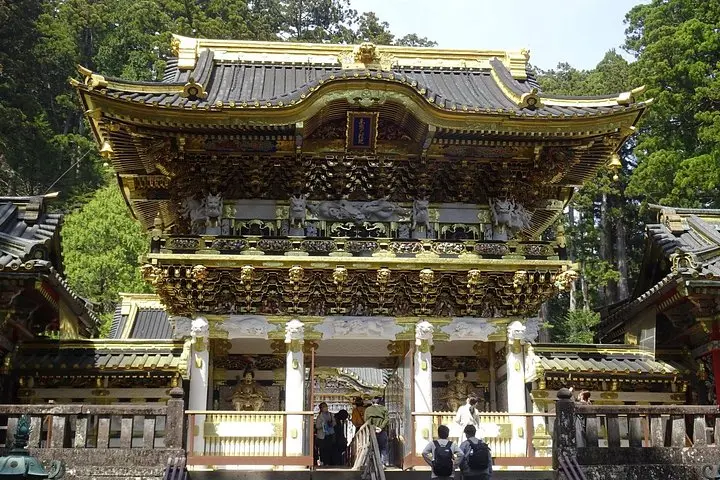
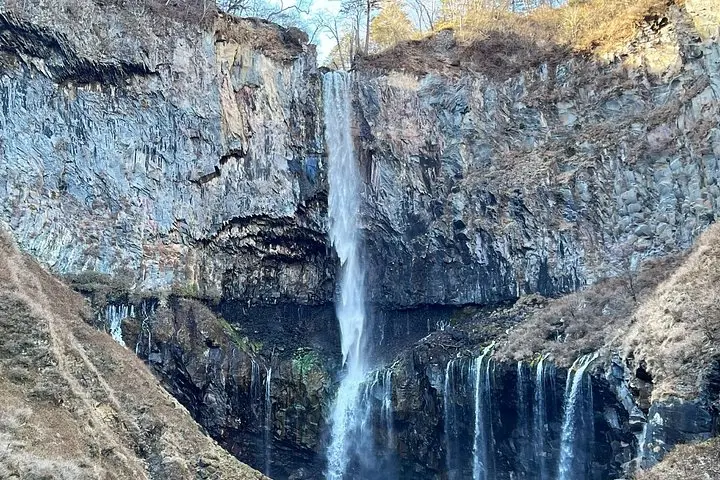
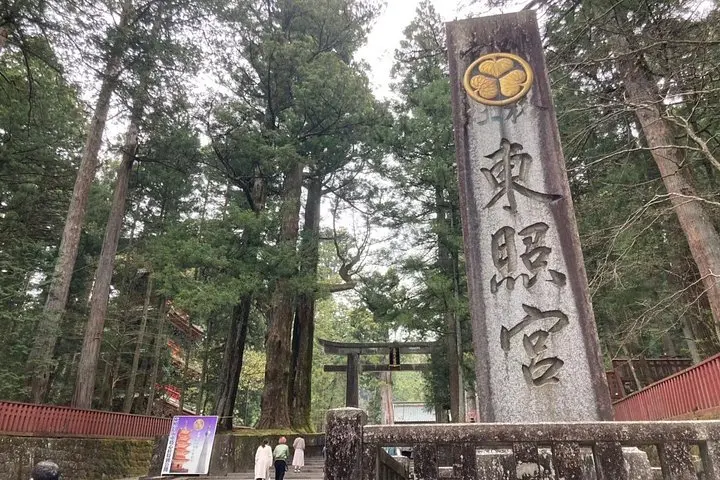
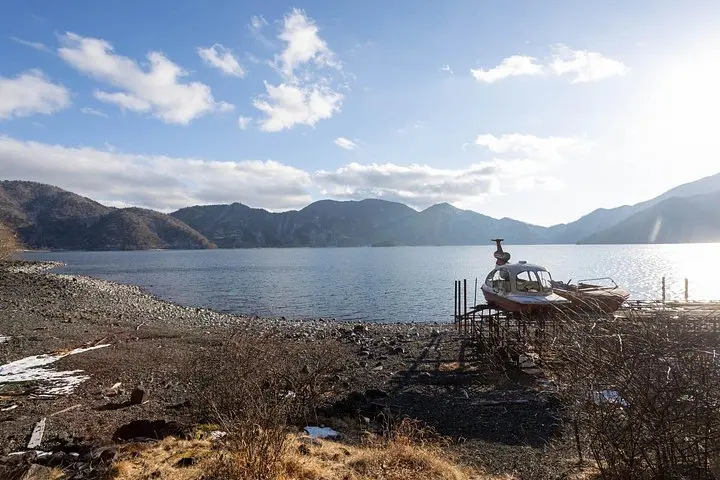
Tōshō-gū sits amid cedar groves—an elaborately carved 17th-century shrine built to honor Tokugawa Ieyasu and later expanded by his grandson, Iemitsu. Nearby, Lake Chūzenji is the geological consequence of a volcanic past: Mount Nantai's eruption dammed a valley some 20,000 years ago and the lake now reflects the mountain's presence. Kegon Falls, the lake's single outlet, plunges nearly 100 meters and announces itself with a steady roar.
Culturally the area is a layered mix of Shinto reverence, Edo-period patronage and modern tourism; the shrines hold detailed wood carvings and lacquer work, while small eateries serve yuba (tofu skin) — a local specialty.
Practical notes: expect several short walks and stairs at shrine precincts and the waterfall observation points; the Kegon base platform requires either a view from the free upper deck or a paid elevator descent for a closer perspective. Travel in a private car with an English-licensed guide keeps transitions smooth and allows for optional stops (seasonal strawberry picking or café experiences depending on timing).
Pack a light waterproof layer, sturdy shoes for cobbled shrine approaches, and time your visit either early or late in the day to avoid tour-bus crowds. Hydrate at the lakeside and respect marked paths—these sites are both heritage and habitat.
Typical travel time by private car is about 2–2.5 hours one way depending on traffic; your tour is scheduled as a full 6-hour day trip including stops.
Admission to Tōshō-gū and the paid Kegon Falls elevator are listed as included for the shrine and included/optional for the waterfall—confirm specifics with the operator at booking.
Yes—strollers are accessible for short distances and infant seats are available in the vehicle; expect stairs at shrine sites and viewing platforms which may limit stroller access there.
Yes—the tour description notes the itinerary is a sample and the licensed guide can adjust stops or add seasonal activities like strawberry picking when available.
MY Travel Consulting operates guided outdoor trips and adventures with an emphasis on safety, stewardship, and memorable experiences.
You pull away from Tokyo's glass and neon and, within two hours, the road opens to mountains and a cooler air that seems to push the city out of your lungs. The private car winds up the Irohazaka switchbacks; maples and cedars lean like watchful hosts as your licensed guide outlines the day's route.
You pull away from Tokyo's glass and neon and, within two hours, the road opens to mountains and a cooler air that seems to push the city out of your lungs. The private car winds up the Irohazaka switchbacks; maples and cedars lean like watchful hosts as your licensed guide outlines the day's route.
Tōshō-gū sits amid cedar groves—an elaborately carved 17th-century shrine built to honor Tokugawa Ieyasu and later expanded by his grandson, Iemitsu. Nearby, Lake Chūzenji is the geological consequence of a volcanic past: Mount Nantai's eruption dammed a valley some 20,000 years ago and the lake now reflects the mountain's presence. Kegon Falls, the lake's single outlet, plunges nearly 100 meters and announces itself with a steady roar.
Culturally the area is a layered mix of Shinto reverence, Edo-period patronage and modern tourism; the shrines hold detailed wood carvings and lacquer work, while small eateries serve yuba (tofu skin) — a local specialty.
Practical notes: expect several short walks and stairs at shrine precincts and the waterfall observation points; the Kegon base platform requires either a view from the free upper deck or a paid elevator descent for a closer perspective. Travel in a private car with an English-licensed guide keeps transitions smooth and allows for optional stops (seasonal strawberry picking or café experiences depending on timing).
Pack a light waterproof layer, sturdy shoes for cobbled shrine approaches, and time your visit either early or late in the day to avoid tour-bus crowds. Hydrate at the lakeside and respect marked paths—these sites are both heritage and habitat.