THE ADVENTURE COLLECTIVE® · Independent discovery and booking for outdoor travel

A private, four-hour Aurora chase launched from Reykjavík that pairs real-time geomagnetic data with local expertise. Guides hand-pick dark-sky pullouts and bring winter kit so you can focus on the show when the northern lights appear.
A private, four-hour Aurora chase launched from Reykjavík that pairs real-time geomagnetic data with local expertise. Guides hand-pick dark-sky pullouts and bring winter kit so you can focus on the show when the northern lights appear.
The van pulls away from city lights and the sky opens: a deep, star-studded black that makes every color along the horizon feel sharper. Guides scan magnetometer feeds and the Icelandic Met Office reports, then choose a dark coastal pullout or an upland ridge where the aurora can unroll without urban glare.
Verified experiences and guided adventures in the surrounding area.
Operated by ICELIMO LUXURY TRAVEL · Reykjavík, Capital Region
The van pulls away from city lights and the sky opens: a deep, star-studded black that makes every color along the horizon feel sharper. Guides scan magnetometer feeds and the Icelandic Met Office reports, then choose a dark coastal pullout or an upland ridge where the aurora can unroll without urban glare.
Iceland’s long winter nights have carried stories about the lights for centuries — from Valkyries riding the heavens to Greco-Roman myths that tied the phenomena to solar kin. Geophysically, the aurora is a collision between charged solar particles and atmospheric oxygen and nitrogen, so appearances depend on geomagnetic activity, cloud cover and local darkness rather than any schedule.
Culturally, Reykjavík serves as the launch point: guests are picked up at their hotels and driven to where the sky is clearest. Guides operating small private groups bring local knowledge, crampons during icy months, and frequent comfort stops — practical touches that make a four-hour chase feel effortless.
Plan for a night outdoors: dress in insulated layers, carry spare batteries and a tripod if you’ll photograph the show. The tour is best from late autumn through early spring when nights are longest; even then the aurora is never guaranteed. Expect short, decisive walks to viewpoints rather than long hikes, and be ready to move locations if clouds roll in. For photographers, ask your guide about composition and safe roadside pullouts. When the curtain rises, the sky does the daring; the guide simply makes sure you can watch it comfortably and safely.
Chances are increased by expert route selection and real-time geomagnetic data, but auroras depend on solar activity and clear skies; there is no guaranteed sighting.
Yes—private small-group tours accommodate children and can provide booster or infant seats; dress children warmly and confirm needs when booking.
No—guides can advise on camera settings and composition; a tripod and spare batteries will improve results but basic smartphone shots are still possible.
If conditions cancel the tour, the operator typically offers a full refund if canceled at least 24 hours prior or will reschedule where possible; check the booking policy for specifics.
ICELIMO LUXURY TRAVEL operates guided outdoor trips and adventures with an emphasis on safety, stewardship, and memorable experiences.
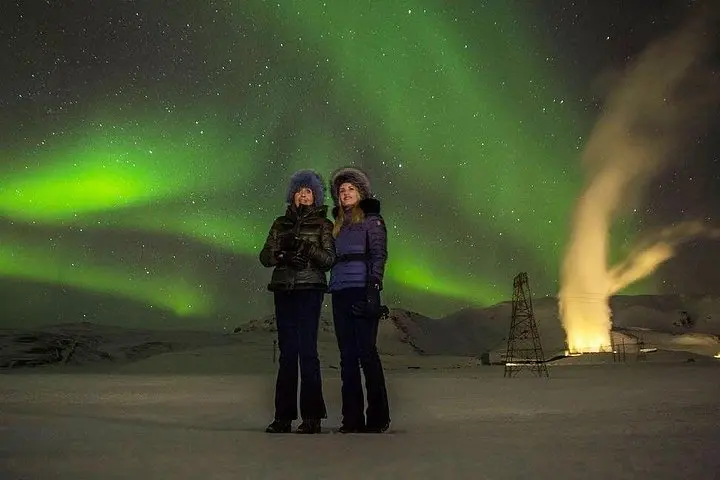
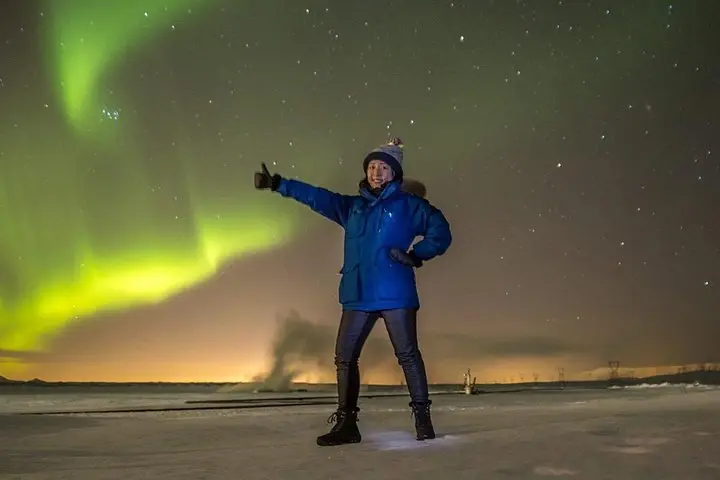
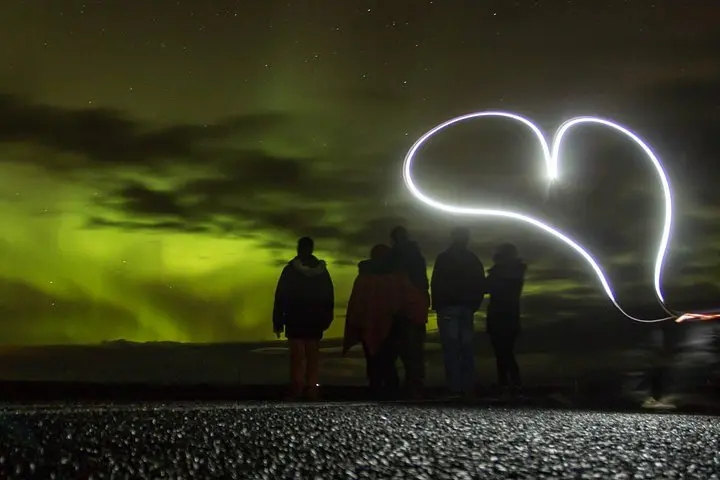
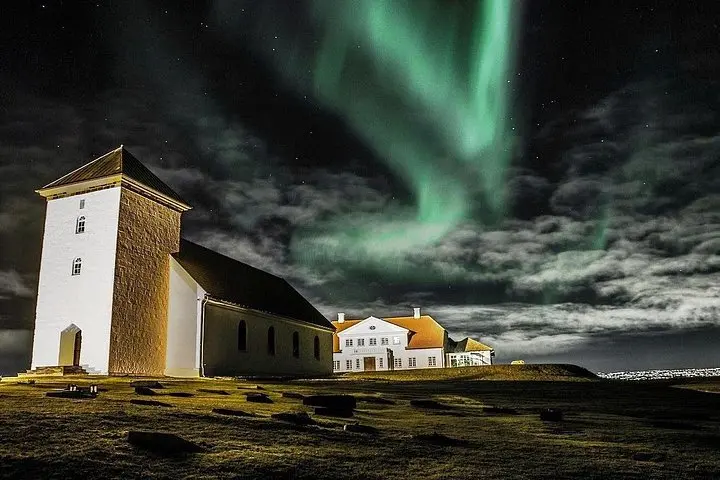
The van pulls away from city lights and the sky opens: a deep, star-studded black that makes every color along the horizon feel sharper. Guides scan magnetometer feeds and the Icelandic Met Office reports, then choose a dark coastal pullout or an upland ridge where the aurora can unroll without urban glare.
The van pulls away from city lights and the sky opens: a deep, star-studded black that makes every color along the horizon feel sharper. Guides scan magnetometer feeds and the Icelandic Met Office reports, then choose a dark coastal pullout or an upland ridge where the aurora can unroll without urban glare.
Iceland’s long winter nights have carried stories about the lights for centuries — from Valkyries riding the heavens to Greco-Roman myths that tied the phenomena to solar kin. Geophysically, the aurora is a collision between charged solar particles and atmospheric oxygen and nitrogen, so appearances depend on geomagnetic activity, cloud cover and local darkness rather than any schedule.
Culturally, Reykjavík serves as the launch point: guests are picked up at their hotels and driven to where the sky is clearest. Guides operating small private groups bring local knowledge, crampons during icy months, and frequent comfort stops — practical touches that make a four-hour chase feel effortless.
Plan for a night outdoors: dress in insulated layers, carry spare batteries and a tripod if you’ll photograph the show. The tour is best from late autumn through early spring when nights are longest; even then the aurora is never guaranteed. Expect short, decisive walks to viewpoints rather than long hikes, and be ready to move locations if clouds roll in. For photographers, ask your guide about composition and safe roadside pullouts. When the curtain rises, the sky does the daring; the guide simply makes sure you can watch it comfortably and safely.