THE ADVENTURE COLLECTIVE® · Independent discovery and booking for outdoor travel
Head out of Reykjavik after dark with a private driver to seek the aurora borealis. This small-group, four-hour chase minimizes city light interference while giving you space and flexibility to find clear skies.
Head out of Reykjavik after dark with a private driver to seek the aurora borealis. This small-group, four-hour chase minimizes city light interference while giving you space and flexibility to find clear skies.
The sky over Iceland is not a backdrop but an active participant — a dark canvas that can erupt with curtains of green, violet and pale red. On a private Northern Lights hunt from Reykjavik, a driver lifts you out of the city lights and into open country where the aurora can take center stage.
Verified experiences and guided adventures in the surrounding area.
Operated by Reykjavik Private Tours · Reykjavik, Capital Region
The sky over Iceland is not a backdrop but an active participant — a dark canvas that can erupt with curtains of green, violet and pale red. On a private Northern Lights hunt from Reykjavik, a driver lifts you out of the city lights and into open country where the aurora can take center stage.
Icelanders have watched the aurora for centuries; sagas and folklore once framed the lights as messages and omens. Geologically, the island’s volcanic bedrock and coastal fjords create long, dark horizons and sparse light pollution — ideal conditions when solar activity cooperates. Culturally, aurora season draws photographers and quiet observers alike, and the ritual of waiting, layered in thermal gear, is part of the experience.
Expect a three-to-four-hour window: pickup in a comfortable, heated vehicle, a short drive to remote vantage points, and time on foot to scan the sky. Guides monitor KP index, cloud cover and local forecasts and will cancel if conditions are poor; sightings are never guaranteed.
Practical tips: prioritize insulation and windproof layers, and bring a tripod with a wide-aperture camera for successful long exposures. Plan logistics around late-evening hours — auroras peak between 10pm and 2am — and charge batteries cold-weather fast drains energy.
This private format reduces crowding and lets the guide adjust locations on the fly, increasing odds of a memorable display. Respect private land, minimize headlamp use during shows, and leave no trace: the lights are ephemeral, but the landscape’s resilience depends on responsible visitation.
Sightings depend on solar activity and clear skies; guides monitor conditions and choose dark locations, but no operator can guarantee an aurora show.
The standard private tour runs about four hours starting after dark; exact pickup times vary seasonally and are confirmed by the operator the day of the tour.
Yes — if cloud cover or conditions make viewing unlikely the tour may be canceled with a full refund; check cancellation timelines in advance.
Most drivers will offer basic tips on camera settings and locations, but formal photography instruction is not typically included; bring a tripod and know long-exposure basics.
Reykjavik Private Tours operates guided outdoor trips and adventures with an emphasis on safety, stewardship, and memorable experiences.
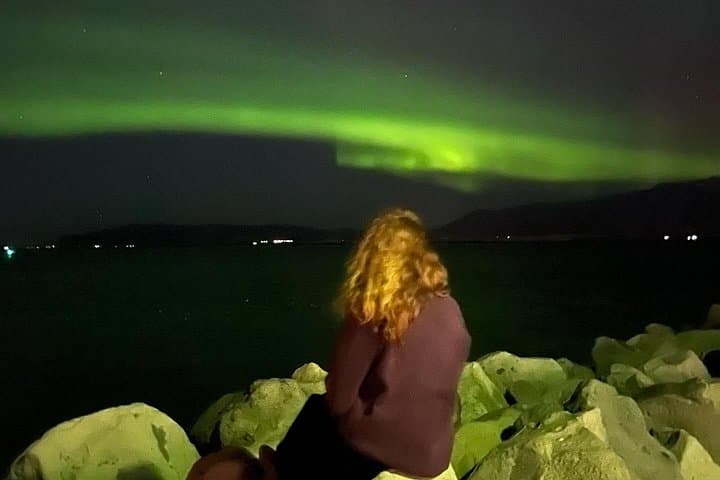
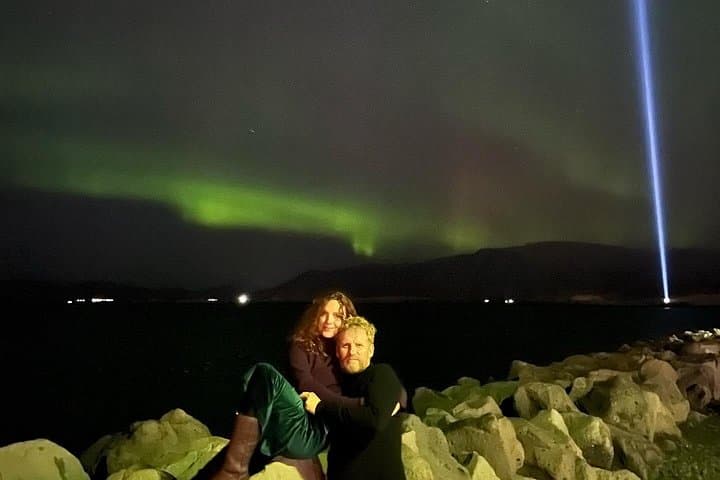
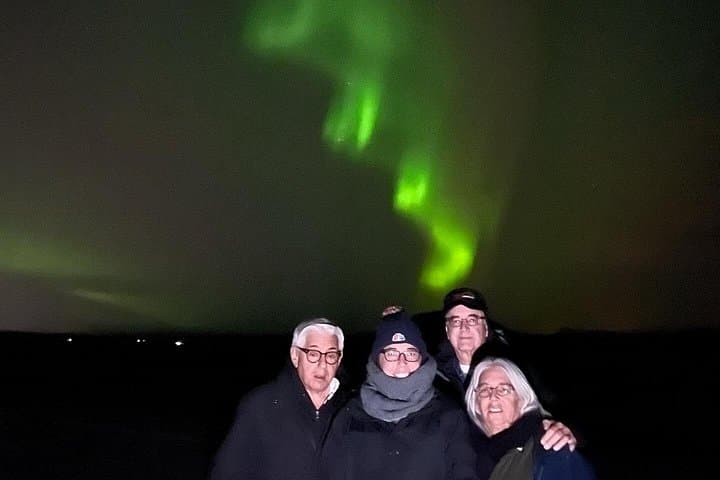
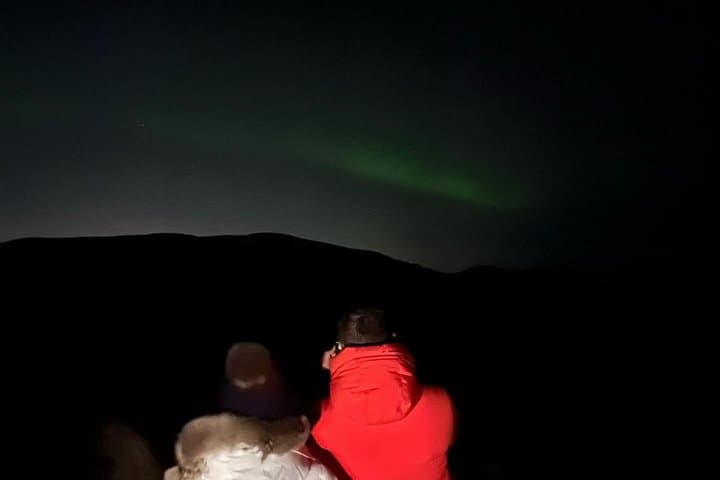
The sky over Iceland is not a backdrop but an active participant — a dark canvas that can erupt with curtains of green, violet and pale red. On a private Northern Lights hunt from Reykjavik, a driver lifts you out of the city lights and into open country where the aurora can take center stage.
The sky over Iceland is not a backdrop but an active participant — a dark canvas that can erupt with curtains of green, violet and pale red. On a private Northern Lights hunt from Reykjavik, a driver lifts you out of the city lights and into open country where the aurora can take center stage.
Icelanders have watched the aurora for centuries; sagas and folklore once framed the lights as messages and omens. Geologically, the island’s volcanic bedrock and coastal fjords create long, dark horizons and sparse light pollution — ideal conditions when solar activity cooperates. Culturally, aurora season draws photographers and quiet observers alike, and the ritual of waiting, layered in thermal gear, is part of the experience.
Expect a three-to-four-hour window: pickup in a comfortable, heated vehicle, a short drive to remote vantage points, and time on foot to scan the sky. Guides monitor KP index, cloud cover and local forecasts and will cancel if conditions are poor; sightings are never guaranteed.
Practical tips: prioritize insulation and windproof layers, and bring a tripod with a wide-aperture camera for successful long exposures. Plan logistics around late-evening hours — auroras peak between 10pm and 2am — and charge batteries cold-weather fast drains energy.
This private format reduces crowding and lets the guide adjust locations on the fly, increasing odds of a memorable display. Respect private land, minimize headlamp use during shows, and leave no trace: the lights are ephemeral, but the landscape’s resilience depends on responsible visitation.
