THE ADVENTURE COLLECTIVE® · Independent discovery and booking for outdoor travel

Leave the city lights behind and let a private driver take you to carefully chosen aurora viewing locations. This small-group night drive increases your odds of seeing the northern lights while keeping the experience comfortable and flexible.
Leave the city lights behind and let a private driver take you to carefully chosen aurora viewing locations. This small-group night drive increases your odds of seeing the northern lights while keeping the experience comfortable and flexible.
The night swells over lava fields and black sand as a private vehicle slips away from Reykjavík’s sodium-lit edges. Headlights carve a path through coastal lowlands while the guide—or driver—reads the sky for breaks in cloud and bursts of green. When the aurora arrives it moves like a slow, demanding sea, testing patience and rewarding those who chased it.
Verified experiences and guided adventures in the surrounding area.
Operated by Snaeland Travel · Reykjavík, Capital Region
The night swells over lava fields and black sand as a private vehicle slips away from Reykjavík’s sodium-lit edges. Headlights carve a path through coastal lowlands while the guide—or driver—reads the sky for breaks in cloud and bursts of green. When the aurora arrives it moves like a slow, demanding sea, testing patience and rewarding those who chased it.
Iceland’s volcanic geology and high-latitude position make the northern lights a frequent visitor in winter. Centuries of sagas reference strange sky phenomena; modern aurora-hunters follow solar wind forecasts and local weather windows instead. Culturally, the lights have moved from superstition to a shared outdoor ritual: layered clothing, thermos in hand, camera at the ready.
Expect a practical, road-based experience rather than a long hike—this private option maximizes mobility and minimizes light pollution. Drivers select viewing sites nightly, balancing cloud cover, road conditions and geomagnetic activity. The landscape you'll pass—coastal plains, marshy lagoons and basalt outcrops—adds texture to stops and frames your photos.
Plan for cold, variable weather and for the possibility of no show; operators often reschedule when conditions are hopeless. Bring a sturdy tripod, wide-aperture lens, and spare batteries (they drain fast in the cold). Aim for a late-evening departure when darkness is deepest and keep expectations flexible—aurora viewing is part science, part luck.
Practical tip: allow time after the tour to warm up and review photos; many guests find the return drive as quietly memorable as the sky itself.
Sightings are never guaranteed; private tours improve flexibility and reduce light pollution, increasing chances when geomagnetic and cloud conditions align.
No, but a camera with manual settings, a tripod and spare batteries will greatly improve photo results compared to smartphone shots.
Most operators include central Reykjavík pickup; confirm your exact pickup point when booking to avoid confusion.
Operators typically attempt to reschedule if aurora chances are near zero due to cloud cover or cancel with full refund if rescheduling isn’t possible.
Snaeland Travel operates guided outdoor trips and adventures with an emphasis on safety, stewardship, and memorable experiences.
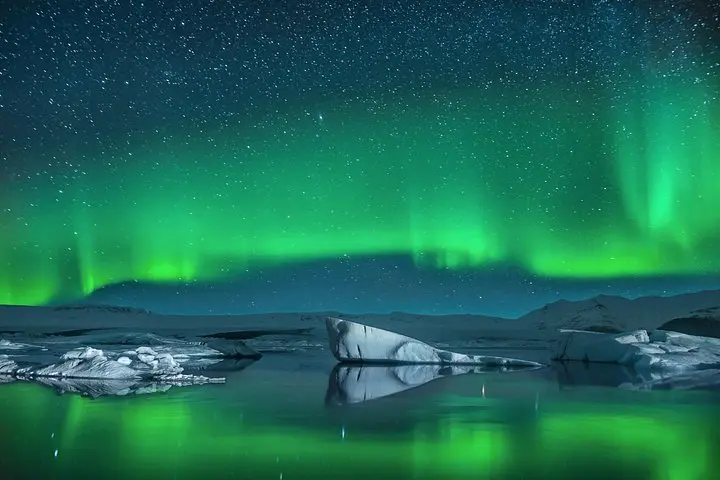
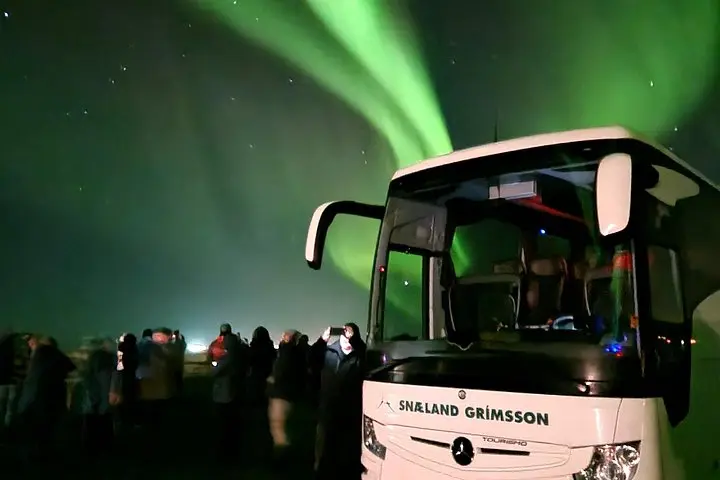
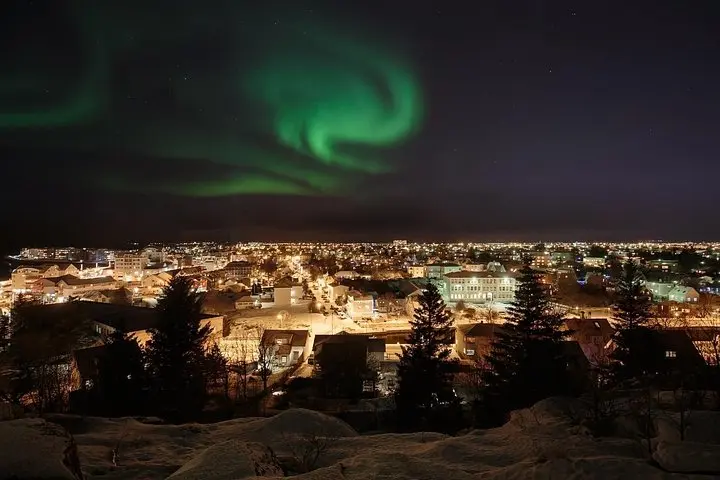
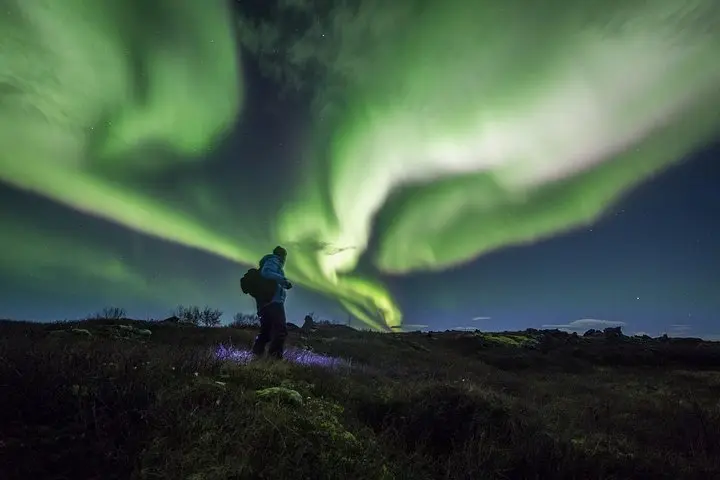
The night swells over lava fields and black sand as a private vehicle slips away from Reykjavík’s sodium-lit edges. Headlights carve a path through coastal lowlands while the guide—or driver—reads the sky for breaks in cloud and bursts of green. When the aurora arrives it moves like a slow, demanding sea, testing patience and rewarding those who chased it.
The night swells over lava fields and black sand as a private vehicle slips away from Reykjavík’s sodium-lit edges. Headlights carve a path through coastal lowlands while the guide—or driver—reads the sky for breaks in cloud and bursts of green. When the aurora arrives it moves like a slow, demanding sea, testing patience and rewarding those who chased it.
Iceland’s volcanic geology and high-latitude position make the northern lights a frequent visitor in winter. Centuries of sagas reference strange sky phenomena; modern aurora-hunters follow solar wind forecasts and local weather windows instead. Culturally, the lights have moved from superstition to a shared outdoor ritual: layered clothing, thermos in hand, camera at the ready.
Expect a practical, road-based experience rather than a long hike—this private option maximizes mobility and minimizes light pollution. Drivers select viewing sites nightly, balancing cloud cover, road conditions and geomagnetic activity. The landscape you'll pass—coastal plains, marshy lagoons and basalt outcrops—adds texture to stops and frames your photos.
Plan for cold, variable weather and for the possibility of no show; operators often reschedule when conditions are hopeless. Bring a sturdy tripod, wide-aperture lens, and spare batteries (they drain fast in the cold). Aim for a late-evening departure when darkness is deepest and keep expectations flexible—aurora viewing is part science, part luck.
Practical tip: allow time after the tour to warm up and review photos; many guests find the return drive as quietly memorable as the sky itself.