THE ADVENTURE COLLECTIVE® · Independent discovery and booking for outdoor travel

Leave Reykjavik behind and drive 30 minutes into dark volcanic plains for a private, three-hour hunt for the northern lights. This practical small-group tour focuses on timing, avoiding light pollution, and giving you clear opportunities to photograph aurora activity.
Leave Reykjavik behind and drive 30 minutes into dark volcanic plains for a private, three-hour hunt for the northern lights. This practical small-group tour focuses on timing, avoiding light pollution, and giving you clear opportunities to photograph aurora activity.
A cold wind from the Atlantic slides across the dashboard as the city lights shrink behind you; in the rearview, Reykjavik becomes a cluster of warm windows and the road ahead opens into black fields and low hills. Within 30 minutes you’re at the edge of town where the aurora frequently appears—far from sodium lamps and traffic hum—ready to paint the sky.
Verified experiences and guided adventures in the surrounding area.
Operated by Tourism Iceland · Reykjavik, Capital Region
A cold wind from the Atlantic slides across the dashboard as the city lights shrink behind you; in the rearview, Reykjavik becomes a cluster of warm windows and the road ahead opens into black fields and low hills. Within 30 minutes you’re at the edge of town where the aurora frequently appears—far from sodium lamps and traffic hum—ready to paint the sky.
Iceland’s dramatic northern lights are born of solar storms meeting a magnetized island carved by glaciers and fire. The landscape you pass—lava fields dark as ink, pothole-lined shores and distant ice-capped mountains—reminds you that geology and atmosphere are collaborating artists. Local folklore still treats the aurora with mixture of awe and stories: some sagas say the lights were reflections of shields, others warnings to travelers.
This private, three-hour outing is pragmatic: hotel pickup, a small group or solo vehicle, and a driver who reads the forecast and roads. Expect short stops at pullouts to scan the sky and take photos. Practicalities matter here—night temperatures drop quickly and long exposure photography drains batteries.
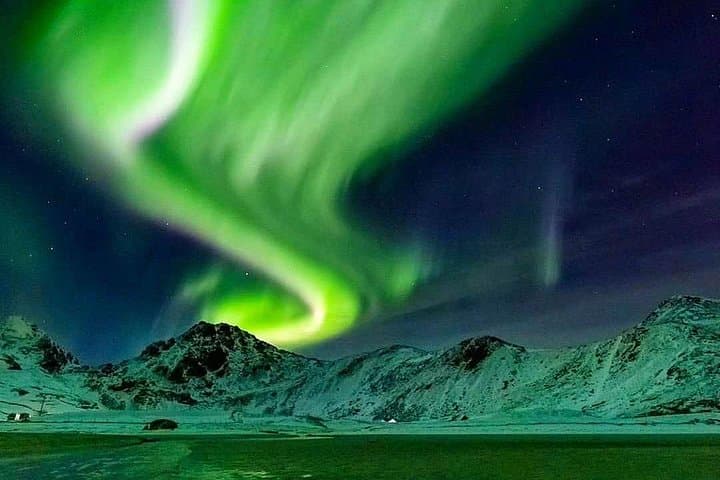
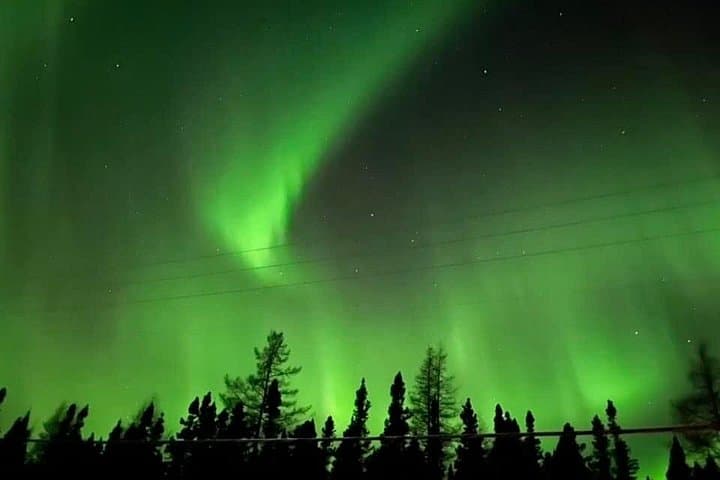
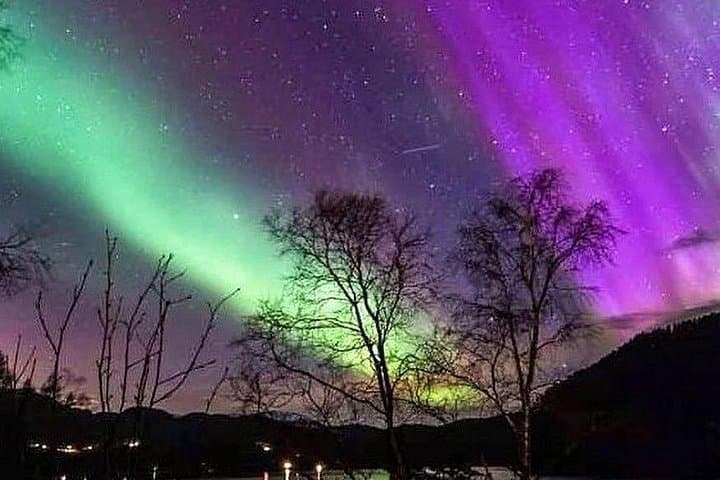
Plan for layered insulation, a tripod, and a flexible schedule: the show can appear suddenly or wait hours. Aim for late evening when geomagnetic activity is higher, check the aurora forecast and cloud cover, and be prepared to keep moving to find clearer skies. The reward is simple and visceral: green ribbons and curtains that move like living breath across Arctic darkness—quiet, powerful, and brief.
Visibility depends on solar activity and cloud cover; tours in clear, dark conditions between September and April give the best odds but sightings are not guaranteed.
Yes—operators typically drive 20–50 kilometres from the city to minimize light pollution, repositioning as needed for clearer skies.
Children are generally welcome; infants must sit on an adult’s lap according to operator policy, so bring appropriate cold-weather gear for kids.
Guides don’t usually provide cameras; bring your own camera and tripod—some guides can offer basic tips on exposure settings.
Tourism Iceland operates guided outdoor trips and adventures with an emphasis on safety, stewardship, and memorable experiences.
A cold wind from the Atlantic slides across the dashboard as the city lights shrink behind you; in the rearview, Reykjavik becomes a cluster of warm windows and the road ahead opens into black fields and low hills. Within 30 minutes you’re at the edge of town where the aurora frequently appears—far from sodium lamps and traffic hum—ready to paint the sky.
A cold wind from the Atlantic slides across the dashboard as the city lights shrink behind you; in the rearview, Reykjavik becomes a cluster of warm windows and the road ahead opens into black fields and low hills. Within 30 minutes you’re at the edge of town where the aurora frequently appears—far from sodium lamps and traffic hum—ready to paint the sky.
Iceland’s dramatic northern lights are born of solar storms meeting a magnetized island carved by glaciers and fire. The landscape you pass—lava fields dark as ink, pothole-lined shores and distant ice-capped mountains—reminds you that geology and atmosphere are collaborating artists. Local folklore still treats the aurora with mixture of awe and stories: some sagas say the lights were reflections of shields, others warnings to travelers.
This private, three-hour outing is pragmatic: hotel pickup, a small group or solo vehicle, and a driver who reads the forecast and roads. Expect short stops at pullouts to scan the sky and take photos. Practicalities matter here—night temperatures drop quickly and long exposure photography drains batteries.
Plan for layered insulation, a tripod, and a flexible schedule: the show can appear suddenly or wait hours. Aim for late evening when geomagnetic activity is higher, check the aurora forecast and cloud cover, and be prepared to keep moving to find clearer skies. The reward is simple and visceral: green ribbons and curtains that move like living breath across Arctic darkness—quiet, powerful, and brief.