THE ADVENTURE COLLECTIVE® · Independent discovery and booking for outdoor travel

Leave the city lights behind and let a private guide drive you into Iceland’s dark skies, offering wool blankets, hot chocolate and bakery pastries as you hunt the aurora. This calm, vehicle-based tour is ideal for travelers who want comfort and local knowledge while chasing the Northern Lights.
Leave the city lights behind and let a private guide drive you into Iceland’s dark skies, offering wool blankets, hot chocolate and bakery pastries as you hunt the aurora. This calm, vehicle-based tour is ideal for travelers who want comfort and local knowledge while chasing the Northern Lights.
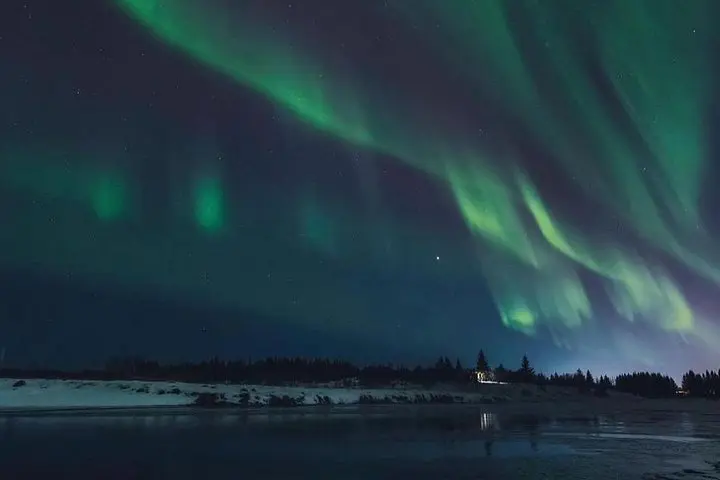
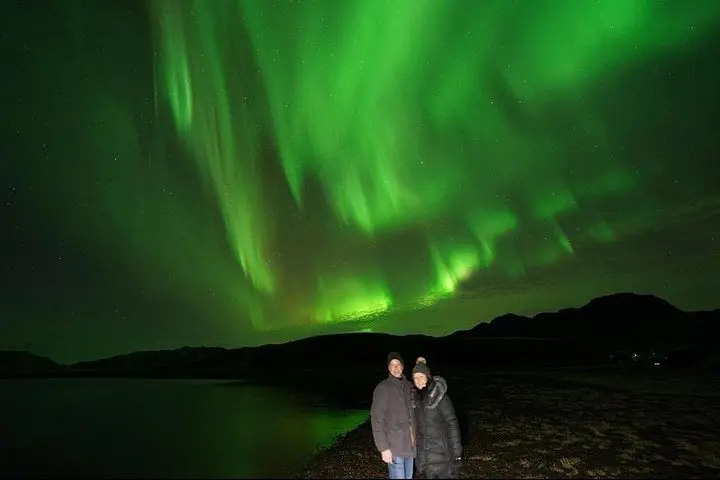
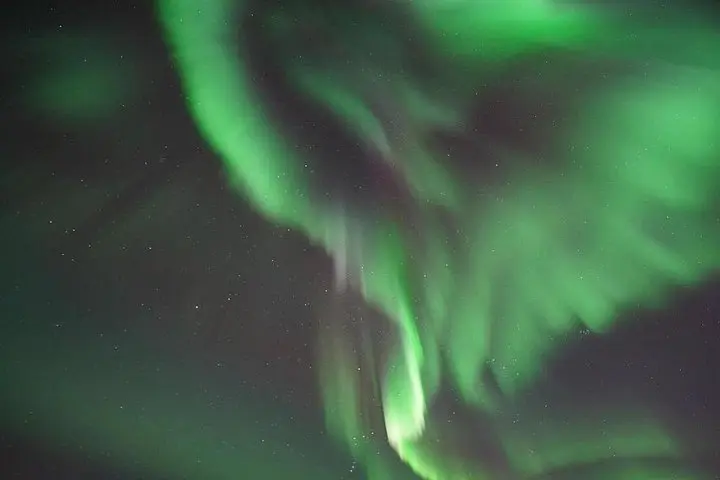
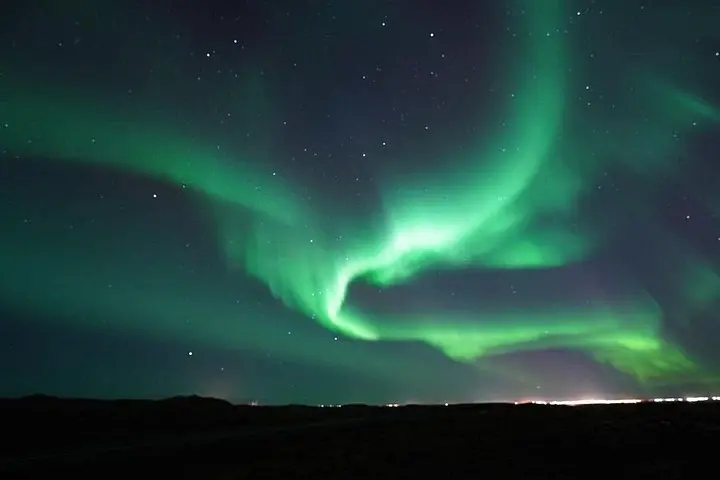
A wind-leaned van slips away from Reykjavik's sodium lights and the road opens into a black plain where the sky seems to breathe. You feel the air cool, wool blankets offered across your lap, and the guide cups a steaming mug of hot chocolate — the quiet of the countryside sharpening the ceiling of stars. When auroral curtains appear they move like a living brushstroke, prodded by solar wind and Earth’s magnetic field.
Verified experiences and guided adventures in the surrounding area.
Operated by Family and Friends Travel Iceland · Reykjavik, Capital Region
A wind-leaned van slips away from Reykjavik's sodium lights and the road opens into a black plain where the sky seems to breathe. You feel the air cool, wool blankets offered across your lap, and the guide cups a steaming mug of hot chocolate — the quiet of the countryside sharpening the ceiling of stars. When auroral curtains appear they move like a living brushstroke, prodded by solar wind and Earth’s magnetic field.
Iceland’s position on the North Atlantic and its low-latitude light pollution outside the capital make the area reliable for aurora chases in darker months. The landscape you pass is volcanic: lava fields, glacial outlets, and coastal inlets shaped by ice and fire over millennia. Cultural touches arrive in simple form — pastries from a generations-old bakery, local stories about lights seen as signs and weather omens.
Practically, this private, vehicle-based hunt keeps effort low but expectations high. Guides scan space-weather forecasts and horizon clarity, moving to where activity and cloud cover align. You’ll pause at roadside overlooks rather than long hikes; restrooms and warm stops are limited, so plan accordingly.
Timing matters: late autumn through early spring offers long nights and the best odds; summer’s midnight sun shuts the show down. Dress for wind, wet, and long stillness: insulated layers, waterproof shell, hat and gloves. Bring a camera with manual controls and a tripod if you want clean aurora photos. Above all, be ready to wait in the dark — the lights can be sudden, generous, or shy, and the chase is part weather science and part good fortune.
Late September through mid-April provides the longest nights and best odds; clear, dark skies and high geomagnetic activity increase chances.
The tour lasts about four hours with pickup in Reykjavik — specific pickup points are confirmed at booking and can include central hotels or meeting points.
No operator can guarantee sightings; many offer rebooking or refund policies for clouded nights, and guides aim for high-probability locations based on forecasts.
Yes — hot chocolate, coffee/tea, and Icelandic pastries are included, and wool blankets are provided for warmth.
Family and Friends Travel Iceland operates guided outdoor trips and adventures with an emphasis on safety, stewardship, and memorable experiences.
A wind-leaned van slips away from Reykjavik's sodium lights and the road opens into a black plain where the sky seems to breathe. You feel the air cool, wool blankets offered across your lap, and the guide cups a steaming mug of hot chocolate — the quiet of the countryside sharpening the ceiling of stars. When auroral curtains appear they move like a living brushstroke, prodded by solar wind and Earth’s magnetic field.
A wind-leaned van slips away from Reykjavik's sodium lights and the road opens into a black plain where the sky seems to breathe. You feel the air cool, wool blankets offered across your lap, and the guide cups a steaming mug of hot chocolate — the quiet of the countryside sharpening the ceiling of stars. When auroral curtains appear they move like a living brushstroke, prodded by solar wind and Earth’s magnetic field.
Iceland’s position on the North Atlantic and its low-latitude light pollution outside the capital make the area reliable for aurora chases in darker months. The landscape you pass is volcanic: lava fields, glacial outlets, and coastal inlets shaped by ice and fire over millennia. Cultural touches arrive in simple form — pastries from a generations-old bakery, local stories about lights seen as signs and weather omens.
Practically, this private, vehicle-based hunt keeps effort low but expectations high. Guides scan space-weather forecasts and horizon clarity, moving to where activity and cloud cover align. You’ll pause at roadside overlooks rather than long hikes; restrooms and warm stops are limited, so plan accordingly.
Timing matters: late autumn through early spring offers long nights and the best odds; summer’s midnight sun shuts the show down. Dress for wind, wet, and long stillness: insulated layers, waterproof shell, hat and gloves. Bring a camera with manual controls and a tripod if you want clean aurora photos. Above all, be ready to wait in the dark — the lights can be sudden, generous, or shy, and the chase is part weather science and part good fortune.