THE ADVENTURE COLLECTIVE® · Independent discovery and booking for outdoor travel

Leave the city for a curated six‑hour private wine tour through Northern Virginia’s rolling vineyards. Customize stops at family wineries, enjoy short cellar walks, and learn what makes Virginia wines distinct—just note tasting fees are usually extra.
Leave the city for a curated six‑hour private wine tour through Northern Virginia’s rolling vineyards. Customize stops at family wineries, enjoy short cellar walks, and learn what makes Virginia wines distinct—just note tasting fees are usually extra.
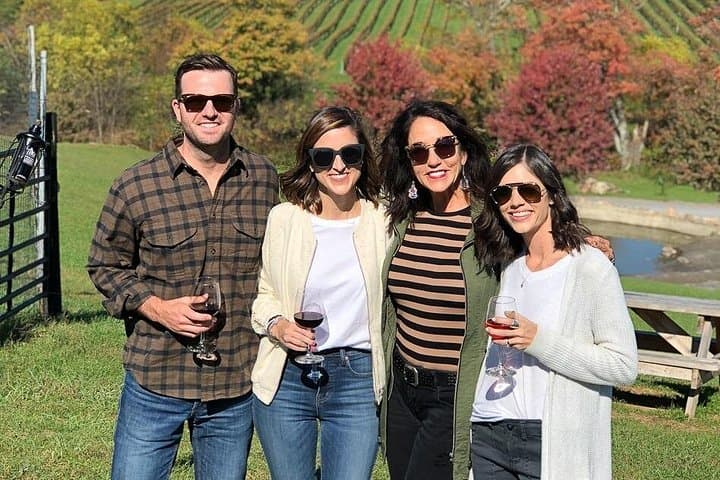
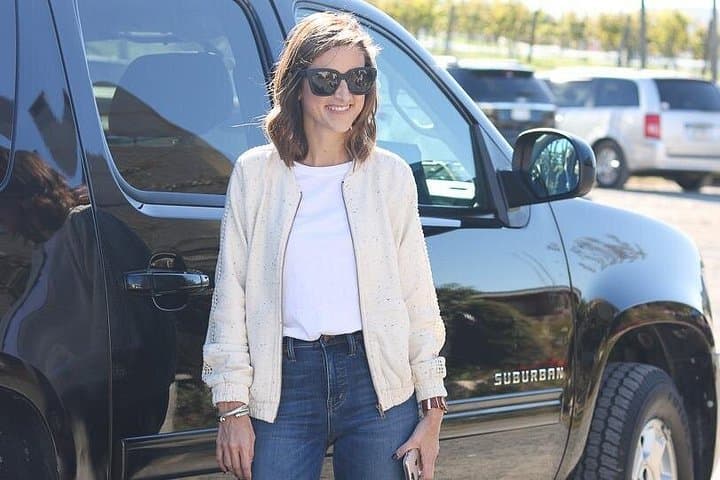
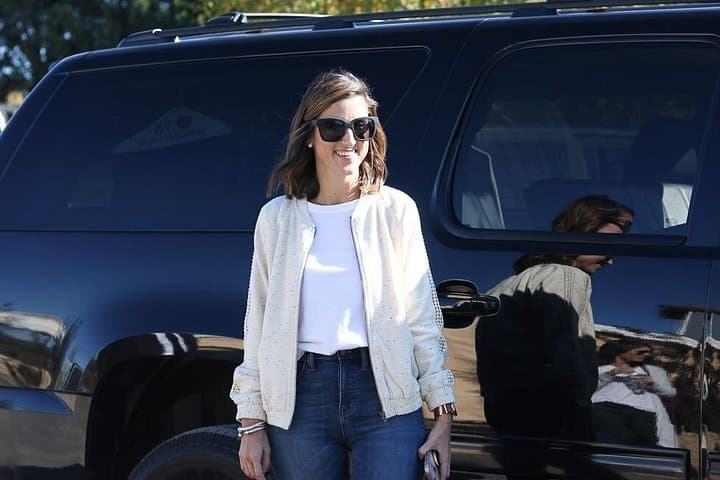
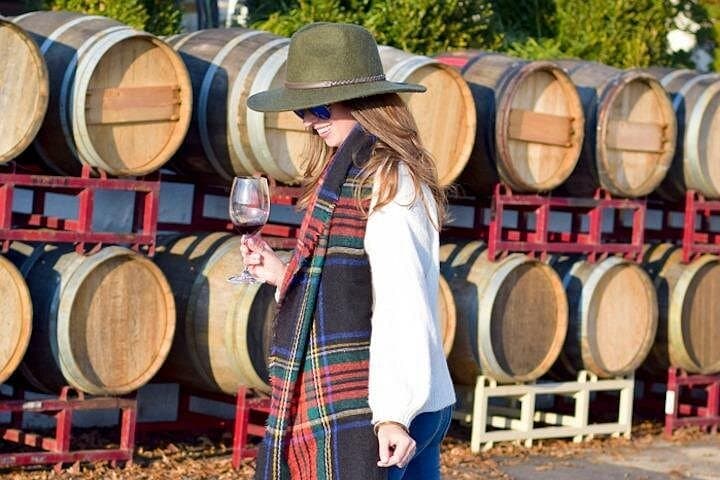
Sunlight slides over low ridgelines as the SUV leaves city traffic behind and the vines take charge—rows aligning like a patient audience waiting for tasting notes. A private driver navigates secondary roads into Northern Virginia’s patchwork of estate vineyards, where each stop is a short, curated walk from shaded tasting porches to barrel rooms.
Verified experiences and guided adventures in the surrounding area.
Operated by DCAcar · Washington, District of Columbia
Sunlight slides over low ridgelines as the SUV leaves city traffic behind and the vines take charge—rows aligning like a patient audience waiting for tasting notes. A private driver navigates secondary roads into Northern Virginia’s patchwork of estate vineyards, where each stop is a short, curated walk from shaded tasting porches to barrel rooms.
The region’s modern wine story dates to the late 20th century, when experimental plantings proved Virginia’s clay‑loam soils and warm summers could produce lively Viognier and structured Cabernet Franc. Geology matters here: rolling limestone and shale pockets give acidity and minerality that winemakers lean on. Culture is informal and local—family‑run producers, seasonal food trucks, and tasting-room dogs are common.
On a typical six‑hour custom tour, guests visit two to three wineries (admissions often billed separately), move at their own pace, and get a mix of outdoor seating and cellar visits. Terrain is gentle—short gravel paths, vineyard slopes that reward steady steps, and few stairs at newer facilities. Expect 10–30 minutes of walking per stop, intermittent sun, and cool cellar air.
Practical notes: plan for alcohol service laws—bring ID, book tastings in advance for weekends, and ask about corkage or food pairings if you want a midday bite. Hydrate between flights and wear closed‑toed shoes for unpaved areas. Because the tour is private and customizable, confirm pickup/drop‑off, sample winery choices (868 Estate, Breaux, Three Fox are common examples), and any extra hourly fees before you board.
No; the listed transfer covers private transportation for six hours—tasting fees and bottle purchases are typically charged by each winery.
Pickup is usually arranged from Washington, D.C. (hotel or central meeting point); confirm your preferred pickup when booking.
Yes—this is a private, customizable tour: request specific wineries, a preferred pace, or accessibility needs when you book.
Infants and small children can travel; service animals are allowed. Check individual wineries for any age restrictions in tasting rooms.
DCAcar operates guided outdoor trips and adventures with an emphasis on safety, stewardship, and memorable experiences.
Sunlight slides over low ridgelines as the SUV leaves city traffic behind and the vines take charge—rows aligning like a patient audience waiting for tasting notes. A private driver navigates secondary roads into Northern Virginia’s patchwork of estate vineyards, where each stop is a short, curated walk from shaded tasting porches to barrel rooms.
Sunlight slides over low ridgelines as the SUV leaves city traffic behind and the vines take charge—rows aligning like a patient audience waiting for tasting notes. A private driver navigates secondary roads into Northern Virginia’s patchwork of estate vineyards, where each stop is a short, curated walk from shaded tasting porches to barrel rooms.
The region’s modern wine story dates to the late 20th century, when experimental plantings proved Virginia’s clay‑loam soils and warm summers could produce lively Viognier and structured Cabernet Franc. Geology matters here: rolling limestone and shale pockets give acidity and minerality that winemakers lean on. Culture is informal and local—family‑run producers, seasonal food trucks, and tasting-room dogs are common.
On a typical six‑hour custom tour, guests visit two to three wineries (admissions often billed separately), move at their own pace, and get a mix of outdoor seating and cellar visits. Terrain is gentle—short gravel paths, vineyard slopes that reward steady steps, and few stairs at newer facilities. Expect 10–30 minutes of walking per stop, intermittent sun, and cool cellar air.
Practical notes: plan for alcohol service laws—bring ID, book tastings in advance for weekends, and ask about corkage or food pairings if you want a midday bite. Hydrate between flights and wear closed‑toed shoes for unpaved areas. Because the tour is private and customizable, confirm pickup/drop‑off, sample winery choices (868 Estate, Breaux, Three Fox are common examples), and any extra hourly fees before you board.