THE ADVENTURE COLLECTIVE® · Independent discovery and booking for outdoor travel

Spend a compact half‑day moving from the serene stonework of Akshardham to the Mughal ramparts of the Red Fort, finishing with a rickshaw ride through the crowded lanes of Chandni Chowk. Expect moderate walking, strict temple rules, and vivid urban history.
Spend a compact half‑day moving from the serene stonework of Akshardham to the Mughal ramparts of the Red Fort, finishing with a rickshaw ride through the crowded lanes of Chandni Chowk. Expect moderate walking, strict temple rules, and vivid urban history.
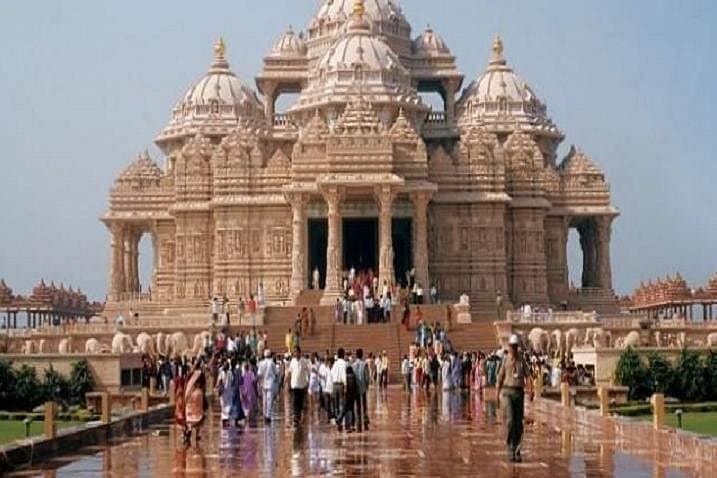
You step out of an air‑conditioned car into a courtyard of carved stone and calm — Akshardham’s carved pillars rise like a forest of memory, the Yamuna murmuring beyond. The guide folds a map into stories: how a modern Swaminarayan complex references ancient step‑wells and ritual geometry; how within hours the city will shift you to the clamour of Shahjahanabad where red sandstone keeps its watch.
Verified experiences and guided adventures in the surrounding area.
Operated by SITA World Tours · New Delhi, Delhi
You step out of an air‑conditioned car into a courtyard of carved stone and calm — Akshardham’s carved pillars rise like a forest of memory, the Yamuna murmuring beyond. The guide folds a map into stories: how a modern Swaminarayan complex references ancient step‑wells and ritual geometry; how within hours the city will shift you to the clamour of Shahjahanabad where red sandstone keeps its watch.
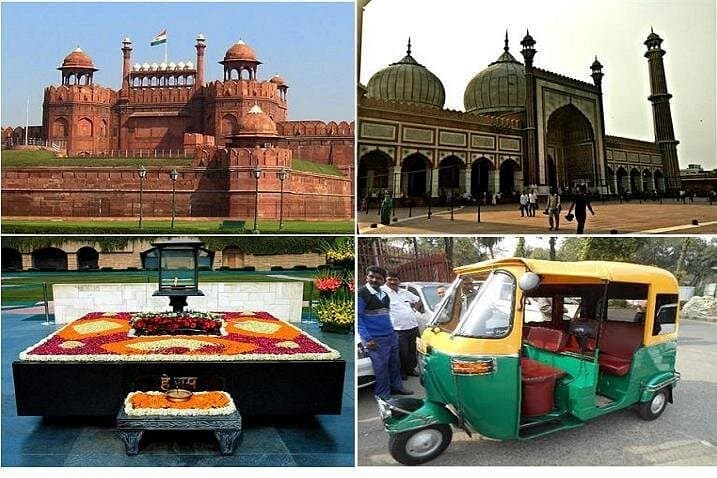
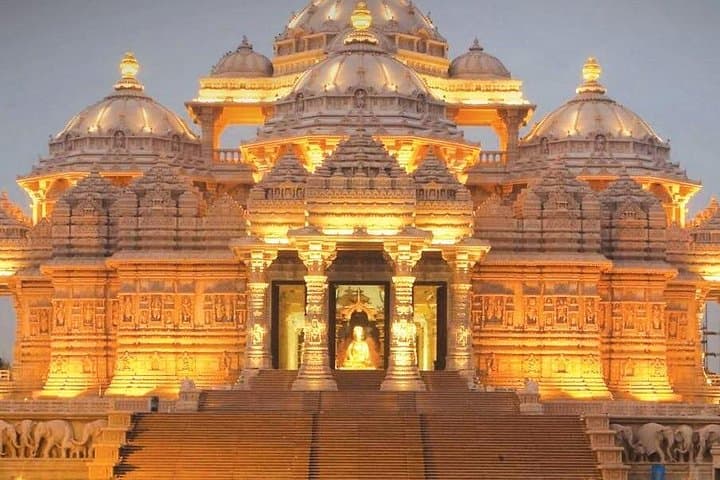
The day pairs 21st‑century devotional architecture with 17th‑century Mughal fortifications. Akshardham’s nine domes, 234 pillars and the Yagnapurush Kund step‑well recall religious craftsmanship; the Red Fort’s thick red walls and ornate audience halls speak to imperial power and urban planning under Shah Jahan. Between them, Chandni Chowk is a living market — narrow lanes, spice stalls, and the high‑pitched bargaining rhythm that shaped Old Delhi’s social life. A rickshaw threads alleys where Paranthe Wali Gali still serves long‑standing street recipes.
Expect moderate walking (crowded lanes, some stairs), a strict dress and electronics policy at Akshardham, and a schedule that runs about 5–6 hours with hotel pickup and drop‑off in New Delhi. Practical notes: wear comfortable shoes for uneven pavements; carry photocopies of ID for monument entry; bring modest clothing or accept a provided sarong at the temple. Morning light is best for photos outside monuments; afternoons are hotter and more crowded in the bazaar. The tour trades wilderness for urban intensity — the reward is a concentrated, sensory immersion in Delhi’s layered history and living streets.
No — Akshardham prohibits phones, cameras and other electronic devices inside the complex. Leave them in the vehicle or use lockers at the entrance.
Yes; this tour includes admissions outlined in the itinerary and is accompanied by an English‑speaking guide.
Pickup and drop‑off are included within New Delhi; you’ll specify your hotel or a central pickup point at booking.
Children under 15 must be accompanied by an adult; the tour involves walking and some stairs and is not recommended for travelers with serious spinal, heart, or pregnancy-related concerns.
SITA World Tours operates guided outdoor trips and adventures with an emphasis on safety, stewardship, and memorable experiences.

You step out of an air‑conditioned car into a courtyard of carved stone and calm — Akshardham’s carved pillars rise like a forest of memory, the Yamuna murmuring beyond. The guide folds a map into stories: how a modern Swaminarayan complex references ancient step‑wells and ritual geometry; how within hours the city will shift you to the clamour of Shahjahanabad where red sandstone keeps its watch.
You step out of an air‑conditioned car into a courtyard of carved stone and calm — Akshardham’s carved pillars rise like a forest of memory, the Yamuna murmuring beyond. The guide folds a map into stories: how a modern Swaminarayan complex references ancient step‑wells and ritual geometry; how within hours the city will shift you to the clamour of Shahjahanabad where red sandstone keeps its watch.
The day pairs 21st‑century devotional architecture with 17th‑century Mughal fortifications. Akshardham’s nine domes, 234 pillars and the Yagnapurush Kund step‑well recall religious craftsmanship; the Red Fort’s thick red walls and ornate audience halls speak to imperial power and urban planning under Shah Jahan. Between them, Chandni Chowk is a living market — narrow lanes, spice stalls, and the high‑pitched bargaining rhythm that shaped Old Delhi’s social life. A rickshaw threads alleys where Paranthe Wali Gali still serves long‑standing street recipes.
Expect moderate walking (crowded lanes, some stairs), a strict dress and electronics policy at Akshardham, and a schedule that runs about 5–6 hours with hotel pickup and drop‑off in New Delhi. Practical notes: wear comfortable shoes for uneven pavements; carry photocopies of ID for monument entry; bring modest clothing or accept a provided sarong at the temple. Morning light is best for photos outside monuments; afternoons are hotter and more crowded in the bazaar. The tour trades wilderness for urban intensity — the reward is a concentrated, sensory immersion in Delhi’s layered history and living streets.