THE ADVENTURE COLLECTIVE® · Independent discovery and booking for outdoor travel

Walk the alleys of Old Dubai on a private 2.5-hour tour that combines Al Fahidi’s historic architecture, aromatic souks and an authentic abra crossing. Expect local snacks, guided stories and practical tips for navigating markets.
Walk the alleys of Old Dubai on a private 2.5-hour tour that combines Al Fahidi’s historic architecture, aromatic souks and an authentic abra crossing. Expect local snacks, guided stories and practical tips for navigating markets.
The morning light catches the corrugated steel roofs and wind towers of Al Fahidi, turning ochre walls and carved wooden mashrabiyas into a study of shadow and line. You step off the modern boulevard into narrow lanes where the city’s original heartbeat—Dubai Creek—pushes and pulls at barges and abras, daring you to cross like a local.
Verified experiences and guided adventures in the surrounding area.
Operated by Tours By Ali · Dubai, Dubai
The morning light catches the corrugated steel roofs and wind towers of Al Fahidi, turning ochre walls and carved wooden mashrabiyas into a study of shadow and line. You step off the modern boulevard into narrow lanes where the city’s original heartbeat—Dubai Creek—pushes and pulls at barges and abras, daring you to cross like a local.
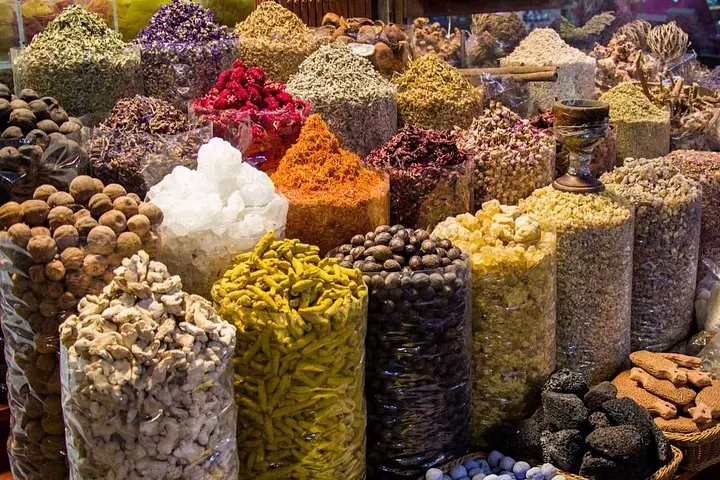
This walk threads together Dubai’s pre-oil past and its living market culture. From the pearling-era trading posts around the creek to Bastakiya’s clay and coral houses, the route traces centuries of commerce and migration. Geologically the creek carved a shallow inlet that made this stretch a natural harbor for dhows; culturally it became a meeting point for Persian, Indian, Arab and East African traders. Expect concentrated sensory detail: cardamom and saffron in spice stalls, the metallic glare of the Gold Souk, and the steady slap of water against wooden hulls on the abra.
Practically, the 2.5-hour private tour balances guided narration with hands-on tasting and an abra crossing. Terrain is flat paved streets and market alleys—easy underfoot but crowded. Morning or late afternoon avoids peak heat; a light scarf will shield you from sun and dust. Bring small bills for purchases, and be ready to haggle politely in the souks. Photography-friendly stops include the Coffee Museum, the waterfront at Al Seef, and the alleyways of Bastakiya. Guides commonly include bottled water, snacks and a short tea break—use those pauses to ask about family histories and the neighborhood’s rapid transformation. This is an urban walk that places you inside Dubai’s working history while leaving room to taste it, cross its creek, and read the city in human scale.
Many areas on the route, including Al Seef and parts of Al Fahidi, are wheelchair accessible, but some older alleyways may be narrow—check with the operator for specific needs.
Street food tastings vary; inform the guide in advance about allergies or dietary needs and they can usually accommodate alternatives.
The abra crossing is short—generally 5–10 minutes—and is included as part of the tour experience.
Yes—polite negotiation is standard in spice and textile markets; start lower than your target price and be respectful.
Tours By Ali operates guided outdoor trips and adventures with an emphasis on safety, stewardship, and memorable experiences.
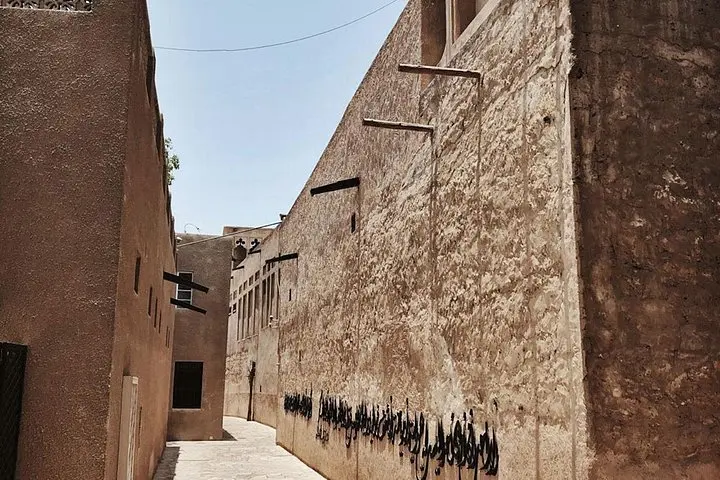


The morning light catches the corrugated steel roofs and wind towers of Al Fahidi, turning ochre walls and carved wooden mashrabiyas into a study of shadow and line. You step off the modern boulevard into narrow lanes where the city’s original heartbeat—Dubai Creek—pushes and pulls at barges and abras, daring you to cross like a local.
The morning light catches the corrugated steel roofs and wind towers of Al Fahidi, turning ochre walls and carved wooden mashrabiyas into a study of shadow and line. You step off the modern boulevard into narrow lanes where the city’s original heartbeat—Dubai Creek—pushes and pulls at barges and abras, daring you to cross like a local.
This walk threads together Dubai’s pre-oil past and its living market culture. From the pearling-era trading posts around the creek to Bastakiya’s clay and coral houses, the route traces centuries of commerce and migration. Geologically the creek carved a shallow inlet that made this stretch a natural harbor for dhows; culturally it became a meeting point for Persian, Indian, Arab and East African traders. Expect concentrated sensory detail: cardamom and saffron in spice stalls, the metallic glare of the Gold Souk, and the steady slap of water against wooden hulls on the abra.
Practically, the 2.5-hour private tour balances guided narration with hands-on tasting and an abra crossing. Terrain is flat paved streets and market alleys—easy underfoot but crowded. Morning or late afternoon avoids peak heat; a light scarf will shield you from sun and dust. Bring small bills for purchases, and be ready to haggle politely in the souks. Photography-friendly stops include the Coffee Museum, the waterfront at Al Seef, and the alleyways of Bastakiya. Guides commonly include bottled water, snacks and a short tea break—use those pauses to ask about family histories and the neighborhood’s rapid transformation. This is an urban walk that places you inside Dubai’s working history while leaving room to taste it, cross its creek, and read the city in human scale.