THE ADVENTURE COLLECTIVE® · Independent discovery and booking for outdoor travel

Explore Omiya Bonsai Village with a licensed English guide on this private 4-hour walking tour. Learn bonsai history, visit six gardens, and gain hands-on insight into the craft—accessible as a day trip from Tokyo.
Explore Omiya Bonsai Village with a licensed English guide on this private 4-hour walking tour. Learn bonsai history, visit six gardens, and gain hands-on insight into the craft—accessible as a day trip from Tokyo.
A narrow lane of gray paving leads you under a canopy of clipped pines and maples, the city’s hum damped to a polite murmur. On a private walking tour of Omiya Bonsai Village, an English-licensed guide moves between rows of shallow pots as if narrating a living gallery, pointing out trunk scars, root placement and the decades folded into each miniature landscape.
Verified experiences and guided adventures in the surrounding area.
Operated by Japan Guide Agency · Saitama, Saitama Prefecture
A narrow lane of gray paving leads you under a canopy of clipped pines and maples, the city’s hum damped to a polite murmur. On a private walking tour of Omiya Bonsai Village, an English-licensed guide moves between rows of shallow pots as if narrating a living gallery, pointing out trunk scars, root placement and the decades folded into each miniature landscape.
The Bonsai Village grew in the early 20th century when master growers relocated from Tokyo’s cramped lots to plots in Saitama’s gentle Kanto Plain. The geology—deep alluvial soils and a temperate climate—helped bonsai nurseries thrive, while the culture of meticulous craft and seasonal display shaped a neighborhood that reads like a botanical archive.
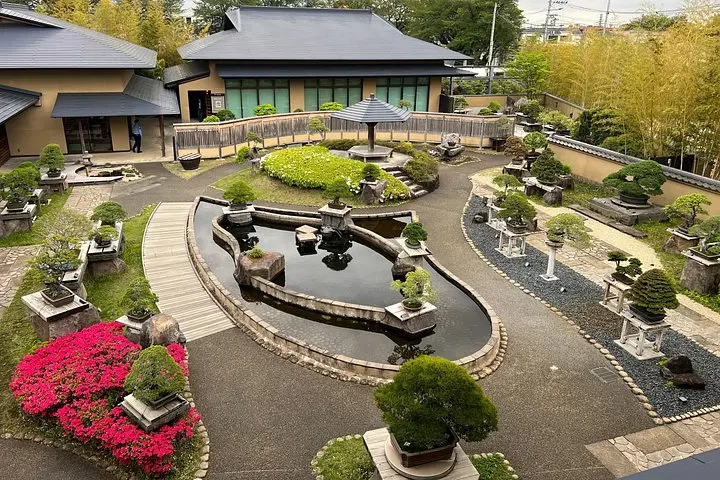
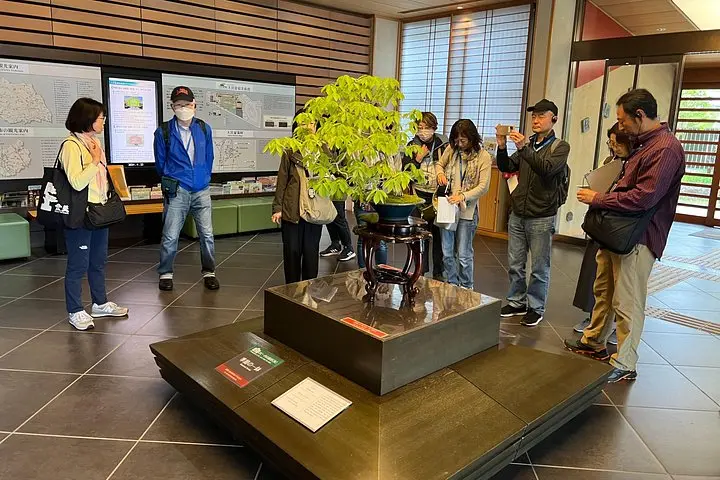
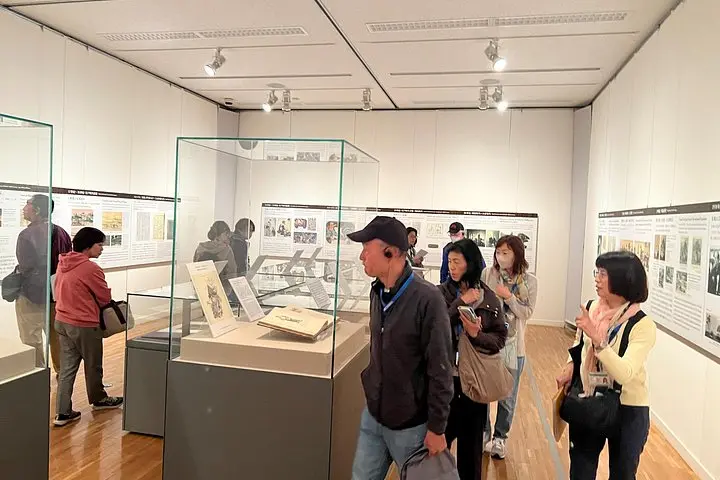
Visitors pass six specialized gardens and private ateliers, where trees range from apprentice projects to century-old masterpieces. The Omiya Bonsai Art Museum (check current opening dates) frames bonsai history and technique, helping newcomers see why a single pot can command such devotion.
Practical notes: tours are four hours including transit time from central Tokyo (about an hour each way by train), largely flat walking on paved paths, and fully customizable with your guide. Respect handling rules—don’t touch plants unless invited—and carry small bills for purchases at local shops.
This tour suits curious travelers who want close, informed access to living craft and regional horticulture. Expect quiet attention to detail, steady walking at an unhurried pace, and the chance to learn bonsai care, styling language, and where to find quality trees if you’re in the market.
Most guests take the JR or private lines to Omiya Station; the guide arranges transport and transfers, and the full round trip takes about two hours of travel time total.
The museum closes periodically for renovation or special exhibits—check current dates with the operator before booking.
Yes; some nurseries and shops sell trees and supplies. If you plan to purchase, discuss shipping or carry-home logistics with your guide.
Yes. Paths and facilities in the village are generally accessible, but notify the operator in advance so the guide can tailor the route.
Japan Guide Agency operates guided outdoor trips and adventures with an emphasis on safety, stewardship, and memorable experiences.
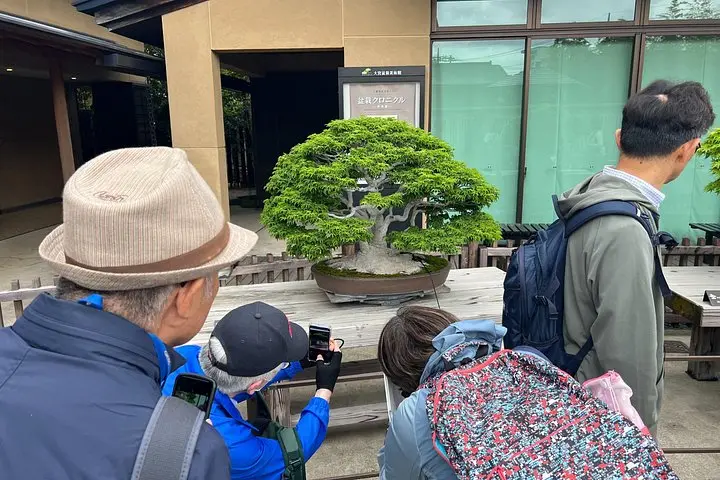
A narrow lane of gray paving leads you under a canopy of clipped pines and maples, the city’s hum damped to a polite murmur. On a private walking tour of Omiya Bonsai Village, an English-licensed guide moves between rows of shallow pots as if narrating a living gallery, pointing out trunk scars, root placement and the decades folded into each miniature landscape.
A narrow lane of gray paving leads you under a canopy of clipped pines and maples, the city’s hum damped to a polite murmur. On a private walking tour of Omiya Bonsai Village, an English-licensed guide moves between rows of shallow pots as if narrating a living gallery, pointing out trunk scars, root placement and the decades folded into each miniature landscape.
The Bonsai Village grew in the early 20th century when master growers relocated from Tokyo’s cramped lots to plots in Saitama’s gentle Kanto Plain. The geology—deep alluvial soils and a temperate climate—helped bonsai nurseries thrive, while the culture of meticulous craft and seasonal display shaped a neighborhood that reads like a botanical archive.
Visitors pass six specialized gardens and private ateliers, where trees range from apprentice projects to century-old masterpieces. The Omiya Bonsai Art Museum (check current opening dates) frames bonsai history and technique, helping newcomers see why a single pot can command such devotion.
Practical notes: tours are four hours including transit time from central Tokyo (about an hour each way by train), largely flat walking on paved paths, and fully customizable with your guide. Respect handling rules—don’t touch plants unless invited—and carry small bills for purchases at local shops.
This tour suits curious travelers who want close, informed access to living craft and regional horticulture. Expect quiet attention to detail, steady walking at an unhurried pace, and the chance to learn bonsai care, styling language, and where to find quality trees if you’re in the market.