THE ADVENTURE COLLECTIVE® · Independent discovery and booking for outdoor travel

Spend a private day from Seoul visiting the DMZ’s observation points, infiltration tunnel, and Imjingak, then cross Gamaksan’s 150m tower-less suspension bridge. This guided, 7‑hour tour includes transport, lunch, and licensed English guide.
Spend a private day from Seoul visiting the DMZ’s observation points, infiltration tunnel, and Imjingak, then cross Gamaksan’s 150m tower-less suspension bridge. This guided, 7‑hour tour includes transport, lunch, and licensed English guide.
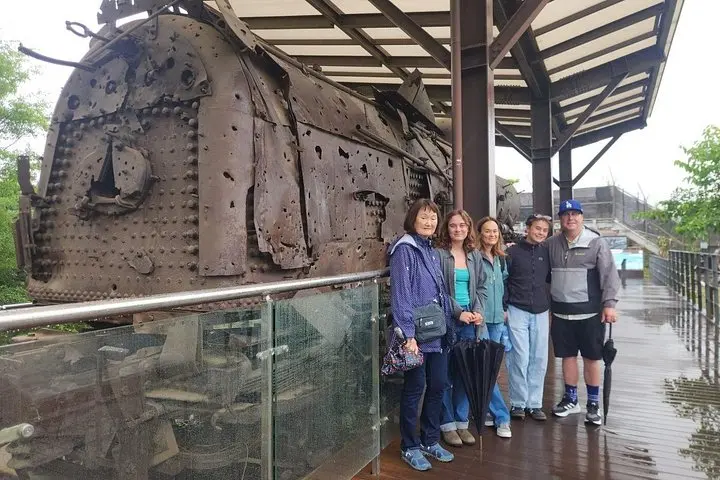
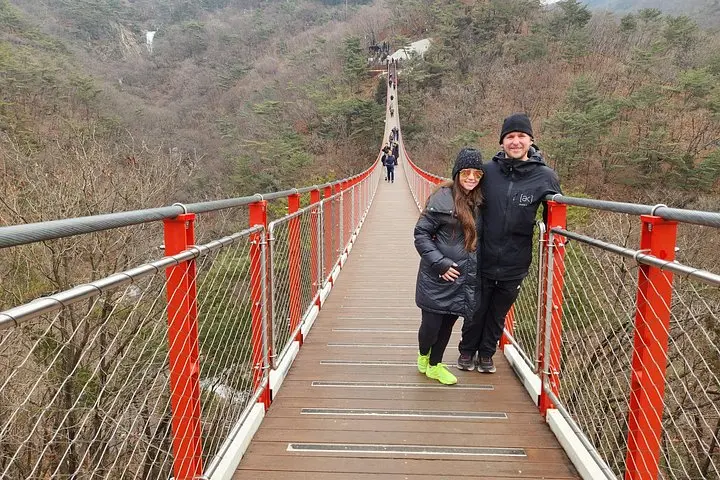
You step out of an air-conditioned minivan into a cold, open space where history presses close: the fields and postures of the Korean Demilitarized Zone. Wind moves across concrete relics at Imjingak, and the Dora Observatory’s binoculars frame a landscape divided by politics. Later, high on Mt. Gamaksan, a 150‑meter tower-less suspension bridge stretches across a valley like a quiet dare, the planks humming underfoot.
Verified experiences and guided adventures in the surrounding area.
Operated by Bergen travel · Paju, Gyeonggi-do
You step out of an air-conditioned minivan into a cold, open space where history presses close: the fields and postures of the Korean Demilitarized Zone. Wind moves across concrete relics at Imjingak, and the Dora Observatory’s binoculars frame a landscape divided by politics. Later, high on Mt. Gamaksan, a 150‑meter tower-less suspension bridge stretches across a valley like a quiet dare, the planks humming underfoot.
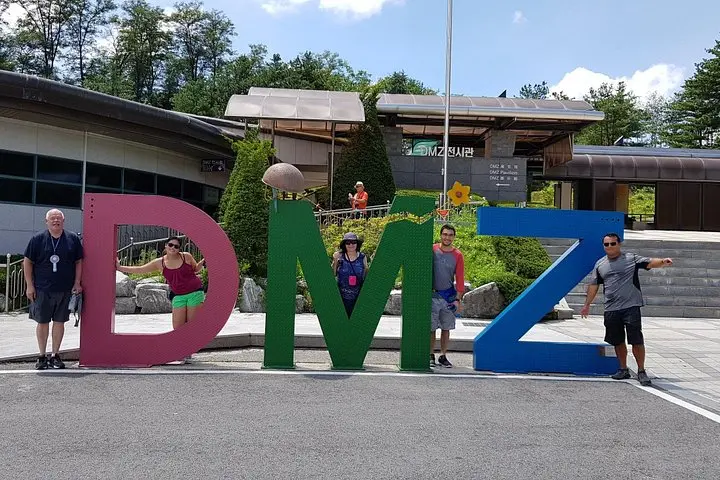
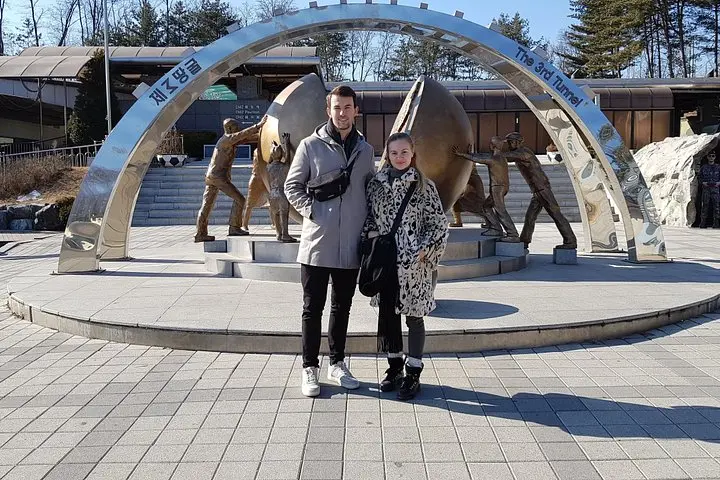
The tour threads military history into live geography. The DMZ was created under the 1953 armistice and includes Imjingak Park, the Freedom Bridge, the 3rd Infiltration Tunnel, and Dora Observatory—places that reveal Cold War logistics and local resilience. Geologically the low Gyeonggi plain gives way to wooded ridges, offering clear sightlines that once determined defensive strategy. Gamaksan’s bridge, deliberately minimal in profile, was built to complement the mountain’s granite slopes and mixed oak forest.
Practically: this is a full, private 7‑hour outing from Seoul with hotel pickup, lunch at a local restaurant, licensed English guide, admissions, and private transport. The DMZ portion enforces ID checks and photography limits—carry your passport and follow the guide. Wear sturdy shoes and layers; spring and fall bring crisp air and good visibility, summer is hot and humid, and winter bites with wind across exposed sites.
Expect light walking with short stair sections and viewpoints rather than sustained hiking. Bring a refillable water bottle, sun protection, and patience for security protocols. The pace is deliberate: you’re seeing both recent history and a landscape that, by restriction, has become an unlikely refuge for wildlife.
Yes—official identification (passport for foreigners) is required at security checkpoints; bring it on the day of the tour.
Yes—some observation posts and tunnel areas prohibit photography; the guide will brief you and point out where photos are allowed.
The tour is rated easy and generally suitable, but it’s not recommended for pregnant travelers or those with serious spinal or cardiovascular conditions due to security procedures and some stair climbing.
The package includes private air‑conditioned transport, licensed English guide, admissions, and a local lunch; hotel pickup and drop-off are typically included.
Bergen travel operates guided outdoor trips and adventures with an emphasis on safety, stewardship, and memorable experiences.
You step out of an air-conditioned minivan into a cold, open space where history presses close: the fields and postures of the Korean Demilitarized Zone. Wind moves across concrete relics at Imjingak, and the Dora Observatory’s binoculars frame a landscape divided by politics. Later, high on Mt. Gamaksan, a 150‑meter tower-less suspension bridge stretches across a valley like a quiet dare, the planks humming underfoot.
You step out of an air-conditioned minivan into a cold, open space where history presses close: the fields and postures of the Korean Demilitarized Zone. Wind moves across concrete relics at Imjingak, and the Dora Observatory’s binoculars frame a landscape divided by politics. Later, high on Mt. Gamaksan, a 150‑meter tower-less suspension bridge stretches across a valley like a quiet dare, the planks humming underfoot.
The tour threads military history into live geography. The DMZ was created under the 1953 armistice and includes Imjingak Park, the Freedom Bridge, the 3rd Infiltration Tunnel, and Dora Observatory—places that reveal Cold War logistics and local resilience. Geologically the low Gyeonggi plain gives way to wooded ridges, offering clear sightlines that once determined defensive strategy. Gamaksan’s bridge, deliberately minimal in profile, was built to complement the mountain’s granite slopes and mixed oak forest.
Practically: this is a full, private 7‑hour outing from Seoul with hotel pickup, lunch at a local restaurant, licensed English guide, admissions, and private transport. The DMZ portion enforces ID checks and photography limits—carry your passport and follow the guide. Wear sturdy shoes and layers; spring and fall bring crisp air and good visibility, summer is hot and humid, and winter bites with wind across exposed sites.
Expect light walking with short stair sections and viewpoints rather than sustained hiking. Bring a refillable water bottle, sun protection, and patience for security protocols. The pace is deliberate: you’re seeing both recent history and a landscape that, by restriction, has become an unlikely refuge for wildlife.