THE ADVENTURE COLLECTIVE® · Independent discovery and booking for outdoor travel

Fly round-trip from Xi'an for a one-day, fully customizable tour of Shanghai that pairs the Bund’s skyline with Ming-era gardens and temple courtyards. Ideal for travelers short on time who want an efficient, guided survey of the city’s highlights.
Fly round-trip from Xi'an for a one-day, fully customizable tour of Shanghai that pairs the Bund’s skyline with Ming-era gardens and temple courtyards. Ideal for travelers short on time who want an efficient, guided survey of the city’s highlights.
You step off the plane into Shanghai’s neon hush and the Huangpu River seems to pulse like a city-sized current, pushing you toward the Bund and its layered skyline. A driver with your name sign leads you into an air-conditioned vehicle; the day is yours to design, from the quiet courtyards of a century-old temple to the glass-steel pinnacles that map modern China.
Verified experiences and guided adventures in the surrounding area.
Operated by Unique Beijing Tours · Shanghai, Shanghai Municipality
You step off the plane into Shanghai’s neon hush and the Huangpu River seems to pulse like a city-sized current, pushing you toward the Bund and its layered skyline. A driver with your name sign leads you into an air-conditioned vehicle; the day is yours to design, from the quiet courtyards of a century-old temple to the glass-steel pinnacles that map modern China.
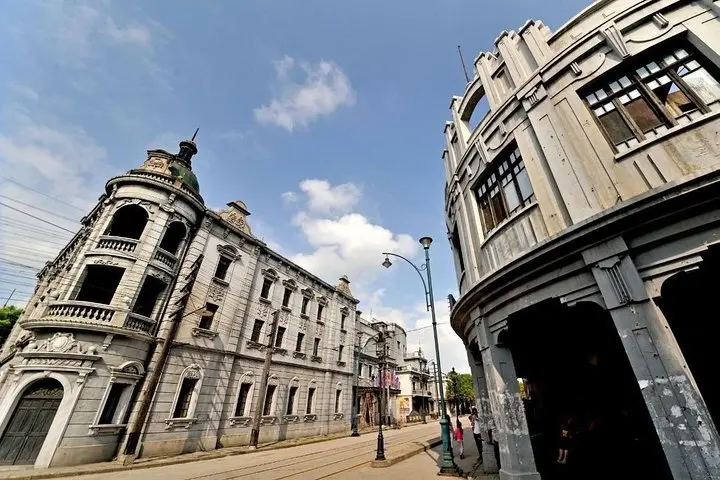
Shanghai grew from a fishing village into a treaty-port boomtown in the 19th century, and the contrasts are tangible: colonial facades rubbing shoulders with Shanghai Tower’s vertiginous curve. The Jade (White) Buddha Temple preserves an intimate Buddhist ritual life—incense smoke threadlike against lacquered beams—while Yuyuan Garden demonstrates Ming-era garden design, rockeries and pavilions arranged to guide the eye.
Culturally, the Former French Concession still favors tree-lined lanes and small cafés; Xintiandi reworks shikumen lanes into a contemporary social stage. Geology matters less here than hydrology—Shanghai’s low delta plain and the Huangpu’s tidal moods shaped settlement and commerce.
Practical guidance: plan an early flight and prioritize two to three stops—museums take longer; temple visits require modest attire and quiet. Pack a small daypack with travel documents, a portable charger, water, and comfortable walking shoes; crossings between sites often include short walks on cobbled alleys or riverside promenades. Decide whether to end your day in Shanghai or return to Xi'an before booking—logistics and local flights are included in the tour price. Expect an efficient, paced day that trades deep immersion for a curated survey of Shanghai’s history, culture, and skyline.
Yes—economy plane tickets are included in the tour price; confirm departure times when you book and allow time for airport transfers.
Absolutely—the tour is private and customizable; guides will suggest an itinerary based on your interests and available time.
Yes—infants can sit in laps and most sites are stroller-accessible, though some temple steps and garden paths may be uneven.
Yes—you may choose to end your day in Shanghai or return to Xi'an; indicate your preference when booking so logistics can be arranged.
Unique Beijing Tours operates guided outdoor trips and adventures with an emphasis on safety, stewardship, and memorable experiences.
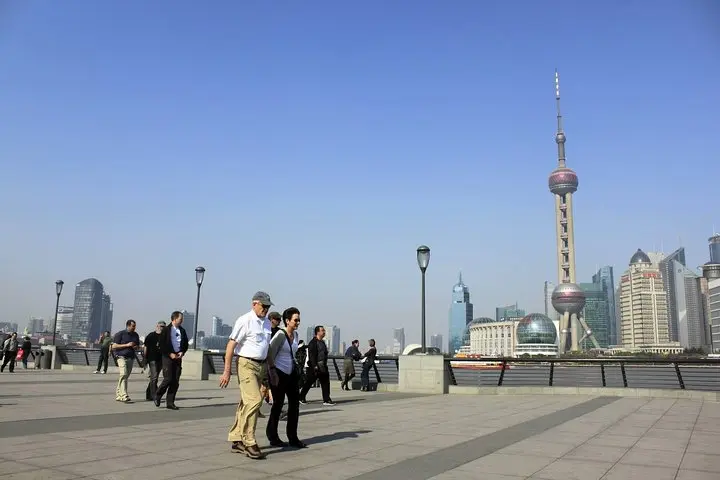

You step off the plane into Shanghai’s neon hush and the Huangpu River seems to pulse like a city-sized current, pushing you toward the Bund and its layered skyline. A driver with your name sign leads you into an air-conditioned vehicle; the day is yours to design, from the quiet courtyards of a century-old temple to the glass-steel pinnacles that map modern China.
You step off the plane into Shanghai’s neon hush and the Huangpu River seems to pulse like a city-sized current, pushing you toward the Bund and its layered skyline. A driver with your name sign leads you into an air-conditioned vehicle; the day is yours to design, from the quiet courtyards of a century-old temple to the glass-steel pinnacles that map modern China.
Shanghai grew from a fishing village into a treaty-port boomtown in the 19th century, and the contrasts are tangible: colonial facades rubbing shoulders with Shanghai Tower’s vertiginous curve. The Jade (White) Buddha Temple preserves an intimate Buddhist ritual life—incense smoke threadlike against lacquered beams—while Yuyuan Garden demonstrates Ming-era garden design, rockeries and pavilions arranged to guide the eye.
Culturally, the Former French Concession still favors tree-lined lanes and small cafés; Xintiandi reworks shikumen lanes into a contemporary social stage. Geology matters less here than hydrology—Shanghai’s low delta plain and the Huangpu’s tidal moods shaped settlement and commerce.
Practical guidance: plan an early flight and prioritize two to three stops—museums take longer; temple visits require modest attire and quiet. Pack a small daypack with travel documents, a portable charger, water, and comfortable walking shoes; crossings between sites often include short walks on cobbled alleys or riverside promenades. Decide whether to end your day in Shanghai or return to Xi'an before booking—logistics and local flights are included in the tour price. Expect an efficient, paced day that trades deep immersion for a curated survey of Shanghai’s history, culture, and skyline.