THE ADVENTURE COLLECTIVE® · Independent discovery and booking for outdoor travel

Spend a full day driving from Jaipur to Agra to visit the Taj Mahal and Agra Fort with a private car, guide and multi‑cuisine lunch. This early‑start itinerary maximizes cooler light, limits crowd exposure and covers the key UNESCO highlights in a single day.
Spend a full day driving from Jaipur to Agra to visit the Taj Mahal and Agra Fort with a private car, guide and multi‑cuisine lunch. This early‑start itinerary maximizes cooler light, limits crowd exposure and covers the key UNESCO highlights in a single day.
Before dawn the car pulls away from Jaipur, headlights trimming the highway into a ribbon of amber as fields and scrub pass by. The drive toward Agra takes roughly four hours (about 240 km), giving the city’s silhouette time to grow out of the heat-hazed horizon until the Taj Mahal appears—its white marble catching the sun like a quiet promise.
Verified experiences and guided adventures in the surrounding area.
Operated by Saniya Tour & Travels · Agra, Uttar Pradesh
Before dawn the car pulls away from Jaipur, headlights trimming the highway into a ribbon of amber as fields and scrub pass by. The drive toward Agra takes roughly four hours (about 240 km), giving the city’s silhouette time to grow out of the heat-hazed horizon until the Taj Mahal appears—its white marble catching the sun like a quiet promise.
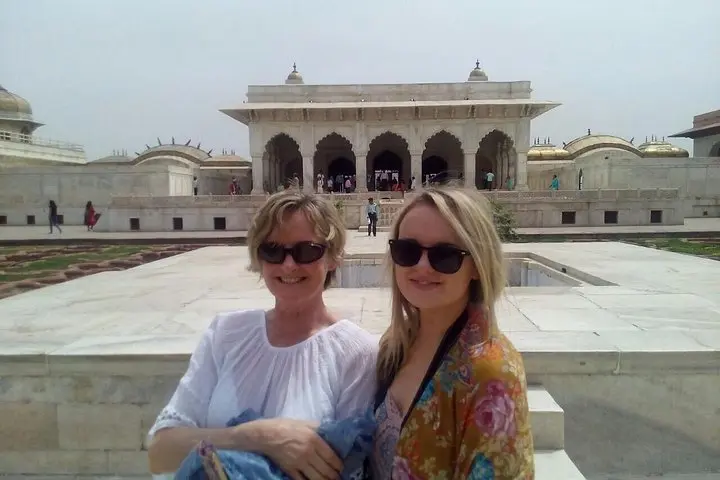
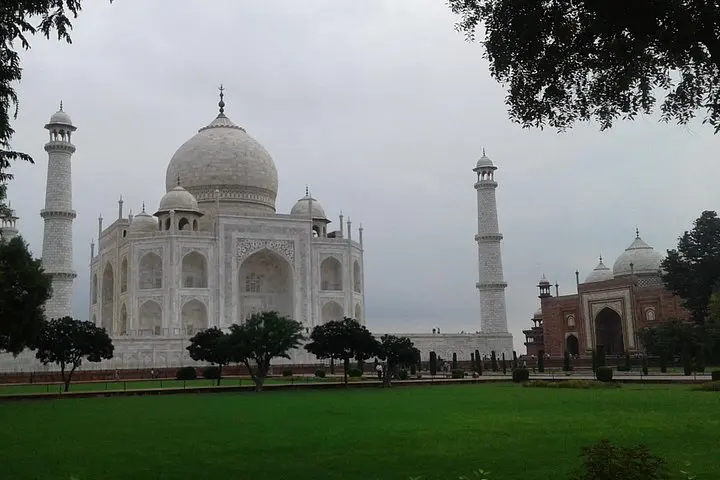
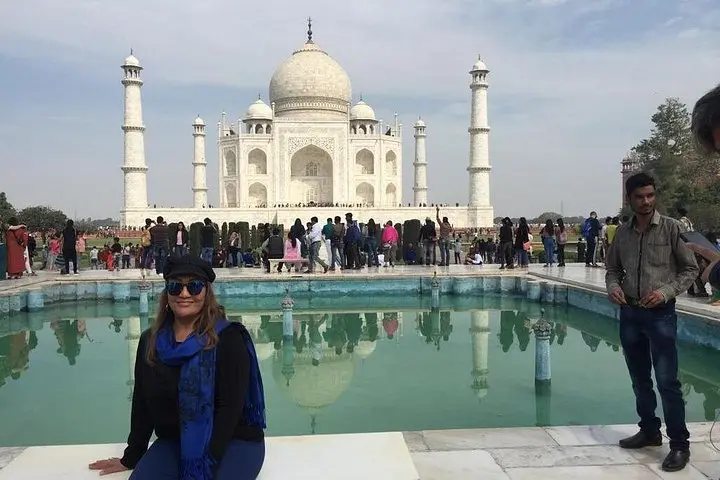
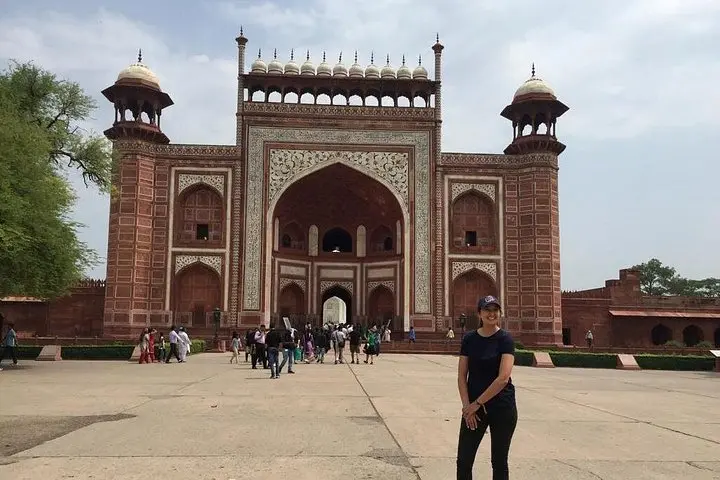
The Taj Mahal, completed in the 17th century by Mughal emperor Shah Jahan for his wife Mumtaz Mahal, sits on the Yamuna floodplain where its Makrana marble ages slowly, bleaching and polishing with time. Nearby, Agra Fort—a 16th-century red sandstone complex—offers Jahangiri Mahal, the Diwan-e-Aam and the Pearl Mosque as examples of Mughal palace craft and military design. Local life clusters around these sites: marble inlay workshops, petha sweet vendors, and chai stalls that punctuate the visitor circuit.
Practicalities shape the day. Expect about 2–4 km of mostly flat walking on paved paths and stepped platforms; the Taj visit is commonly scheduled for roughly three hours, Agra Fort about an hour, plus the round-trip drive. Security checks, heat, and crowds influence timing—an early 6:00 AM pickup makes the most of cooler air and softer light for photography. Shoes are restricted inside the mausoleum (shoe covers are often available); carry water, sun protection and ID for ticketing.
This private, chauffeur-driven itinerary bundles transport, a professional guide and lunch, making it a straightforward way to see Agra’s two UNESCO sites in a long, focused day.
This private tour typically does not include monument admission; confirm with the operator and consider buying tickets online in advance to skip queues.
The drive is about 240 km and takes roughly four hours each way depending on traffic and road conditions.
Yes, visitors can enter the central mausoleum but must follow security procedures and remove shoes or use provided covers; photography inside is restricted.
The tour indicates wheelchair-accessible options, but there are many steps and uneven surfaces at the Fort and restricted areas at the Taj—check accessibility specifics before booking.
Saniya Tour & Travels operates guided outdoor trips and adventures with an emphasis on safety, stewardship, and memorable experiences.
Before dawn the car pulls away from Jaipur, headlights trimming the highway into a ribbon of amber as fields and scrub pass by. The drive toward Agra takes roughly four hours (about 240 km), giving the city’s silhouette time to grow out of the heat-hazed horizon until the Taj Mahal appears—its white marble catching the sun like a quiet promise.
Before dawn the car pulls away from Jaipur, headlights trimming the highway into a ribbon of amber as fields and scrub pass by. The drive toward Agra takes roughly four hours (about 240 km), giving the city’s silhouette time to grow out of the heat-hazed horizon until the Taj Mahal appears—its white marble catching the sun like a quiet promise.
The Taj Mahal, completed in the 17th century by Mughal emperor Shah Jahan for his wife Mumtaz Mahal, sits on the Yamuna floodplain where its Makrana marble ages slowly, bleaching and polishing with time. Nearby, Agra Fort—a 16th-century red sandstone complex—offers Jahangiri Mahal, the Diwan-e-Aam and the Pearl Mosque as examples of Mughal palace craft and military design. Local life clusters around these sites: marble inlay workshops, petha sweet vendors, and chai stalls that punctuate the visitor circuit.
Practicalities shape the day. Expect about 2–4 km of mostly flat walking on paved paths and stepped platforms; the Taj visit is commonly scheduled for roughly three hours, Agra Fort about an hour, plus the round-trip drive. Security checks, heat, and crowds influence timing—an early 6:00 AM pickup makes the most of cooler air and softer light for photography. Shoes are restricted inside the mausoleum (shoe covers are often available); carry water, sun protection and ID for ticketing.
This private, chauffeur-driven itinerary bundles transport, a professional guide and lunch, making it a straightforward way to see Agra’s two UNESCO sites in a long, focused day.