THE ADVENTURE COLLECTIVE® · Independent discovery and booking for outdoor travel

Spend a long day from Siem Reap exploring three UNESCO-recognized Khmer sites: the collapsed jungle labyrinth of Beng Mealea, the remote sanctuaries of Koh Ker, and the cliff-top Preah Vihear temple. This private tour pairs off-road travel with guided cultural interpretation.
Spend a long day from Siem Reap exploring three UNESCO-recognized Khmer sites: the collapsed jungle labyrinth of Beng Mealea, the remote sanctuaries of Koh Ker, and the cliff-top Preah Vihear temple. This private tour pairs off-road travel with guided cultural interpretation.
You step out of Siem Reap before dawn and the road unfurls—rice paddies give way to thick teak and then to the temple stones, half-swallowed by the jungle. At Beng Mealea the sandstone towers lean and collapse like memory, roots threading through lintels while the forest pushes in and reclaims courtyards. The air smells of warm earth and old incense.
Verified experiences and guided adventures in the surrounding area.
Operated by Private Tour Guide-Cambodia · Siem Reap, Siem Reap Province
You step out of Siem Reap before dawn and the road unfurls—rice paddies give way to thick teak and then to the temple stones, half-swallowed by the jungle. At Beng Mealea the sandstone towers lean and collapse like memory, roots threading through lintels while the forest pushes in and reclaims courtyards. The air smells of warm earth and old incense.
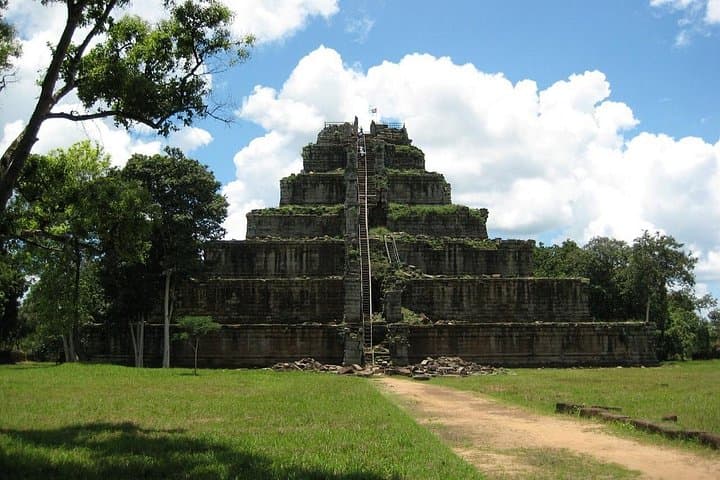
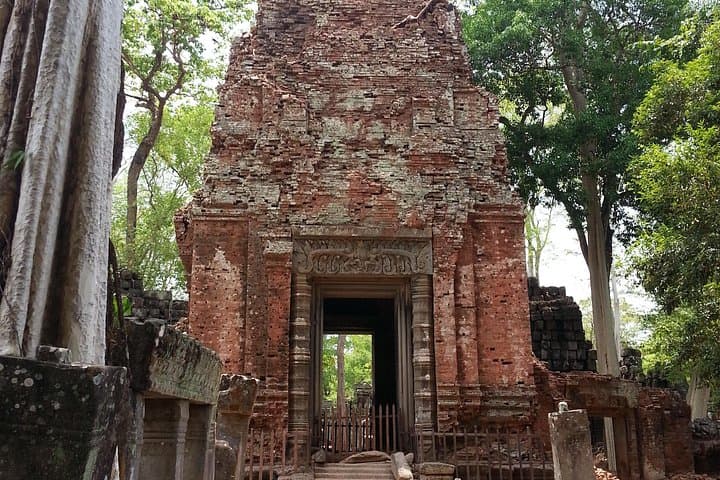
These sites span centuries of Khmer engineering and belief. Beng Mealea began as a Hindu temple with later Buddhist carvings; Koh Ker (often spelled Koh Ke) sits amid a network of 180 sanctuaries, many hidden inside an 81 km2 protected forest; and Preah Vihear crowns a 525‑metre Dângrêk escarpment, a strategic ridge-top shrine once dedicated to Shiva with a contested modern history resolved at The Hague.
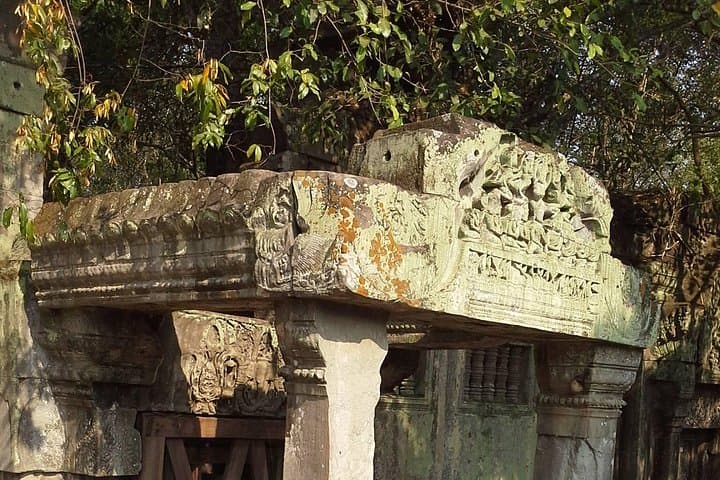
Geology and vegetation shape the visit: soft sandstone erodes into collapsed blocks and steep escarpments, while monsoon-fed forests cloak roads and shrines. Local guides translate iconography—lingams, devatas, and lintel styles—so the architecture reads like a neighborhood of devotion rather than isolated ruins.
Practical side: this is a long day—expect 8–9 hours in a private vehicle with multiple short walks, uneven stone surfaces, and temple steps. Bring sturdy shoes, sun and mosquito protection, cash for entrance fees and a modest formal dress for temple respect (shoulders and knees covered). Early starts avoid heat and afternoon rains. Hydrate frequently; bottled water is usually provided but carry a refillable bottle. Allow time for photo stops and short hikes; each ruin rewards slow, observant travel rather than a quick tick-box visit.
Admissions are typically not included; prepare local currency or US dollars to pay site fees on arrival.
Expect several hours of driving total—Beng Mealea is roughly an hour from Siem Reap, Koh Ker about 120 km north, and Preah Vihear sits on a ridge requiring additional road time; your day will be 8–9 hours overall.
The tour is private and adaptable, but uneven terrain and stairs at the temples can be challenging—consider mobility and be prepared for limited facilities at remote sites.
Photography is generally allowed, but follow signage and local guide instructions; show respect around religious rituals and always ask before photographing people.
Private Tour Guide-Cambodia operates guided outdoor trips and adventures with an emphasis on safety, stewardship, and memorable experiences.
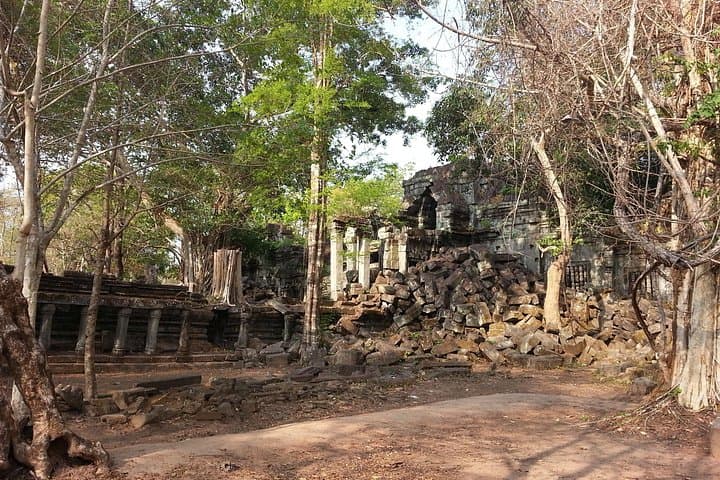
You step out of Siem Reap before dawn and the road unfurls—rice paddies give way to thick teak and then to the temple stones, half-swallowed by the jungle. At Beng Mealea the sandstone towers lean and collapse like memory, roots threading through lintels while the forest pushes in and reclaims courtyards. The air smells of warm earth and old incense.
You step out of Siem Reap before dawn and the road unfurls—rice paddies give way to thick teak and then to the temple stones, half-swallowed by the jungle. At Beng Mealea the sandstone towers lean and collapse like memory, roots threading through lintels while the forest pushes in and reclaims courtyards. The air smells of warm earth and old incense.
These sites span centuries of Khmer engineering and belief. Beng Mealea began as a Hindu temple with later Buddhist carvings; Koh Ker (often spelled Koh Ke) sits amid a network of 180 sanctuaries, many hidden inside an 81 km2 protected forest; and Preah Vihear crowns a 525‑metre Dângrêk escarpment, a strategic ridge-top shrine once dedicated to Shiva with a contested modern history resolved at The Hague.
Geology and vegetation shape the visit: soft sandstone erodes into collapsed blocks and steep escarpments, while monsoon-fed forests cloak roads and shrines. Local guides translate iconography—lingams, devatas, and lintel styles—so the architecture reads like a neighborhood of devotion rather than isolated ruins.
Practical side: this is a long day—expect 8–9 hours in a private vehicle with multiple short walks, uneven stone surfaces, and temple steps. Bring sturdy shoes, sun and mosquito protection, cash for entrance fees and a modest formal dress for temple respect (shoulders and knees covered). Early starts avoid heat and afternoon rains. Hydrate frequently; bottled water is usually provided but carry a refillable bottle. Allow time for photo stops and short hikes; each ruin rewards slow, observant travel rather than a quick tick-box visit.