THE ADVENTURE COLLECTIVE® · Independent discovery and booking for outdoor travel

Visit cliffside caves and a Han-dynasty frontier gate on a private day trip from Dunhuang. Explore surviving grotto art, taste local food in a grape oasis, and walk the ruins of Yangguan (Sun Gate) Pass.
Visit cliffside caves and a Han-dynasty frontier gate on a private day trip from Dunhuang. Explore surviving grotto art, taste local food in a grape oasis, and walk the ruins of Yangguan (Sun Gate) Pass.
You step out into cold, dry air as the van crests the flat plain west of Dunhuang and the cliffs along the old riverbank come into view—stone faces carved into sun-weathered rock, their eyes turned toward the Silk Road.
Verified experiences and guided adventures in the surrounding area.
Operated by Silk Road Angel Tours · Dunhuang, Gansu
You step out into cold, dry air as the van crests the flat plain west of Dunhuang and the cliffs along the old riverbank come into view—stone faces carved into sun-weathered rock, their eyes turned toward the Silk Road.
The Western Thousand Buddha Grottoes are a quieter sibling of the Mogao caves, carved into a former river bluff that once fed travelers and pilgrims moving between China and Central Asia. Nearby, Yangguan—known historically as Sun Gate Pass—was an imperial frontier gate from the Han dynasty, a place of tolls, guards and storytelling caravans. Geologically the region is wind-sculpted sandstone and loess; dunes and an intermittent water table have shifted over centuries, burying and then revealing ruins and beacon towers.
On this private day tour you’ll visit several cliffside grottoes with surviving stucco and painted figures, then cross to Yangguan Town for lunch at a local farm restaurant and a stroll through grape vines that thrive in the small oasis. The Yangguan museum and the remnant beacon tower illustrate how the pass functioned as both defense and customs point.
Practical notes: expect uneven stone steps and short cliffside climbs—comfortable walking shoes and sun protection are essential. Carry your passport for site entry and take breaks to acclimate to the dry air. The rhythm of the day is steady: an easy morning of cave visits, a relaxed local lunch, and an afternoon spent walking the pass and its museum before a late return to Dunhuang.
Yes. A current passport is required for booking information and site entry—bring the original on the day of travel.
Expect short walks and stair climbs around the grottoes and a gentle stroll through the Yangguan oasis; overall activity level is easy.
Yes; the tour includes lunch at a local farmer’s restaurant and bottled water.
Yes. The itinerary is family-friendly, but some cave access involves steep steps—assist young children and move slowly if needed.
Silk Road Angel Tours operates guided outdoor trips and adventures with an emphasis on safety, stewardship, and memorable experiences.



You step out into cold, dry air as the van crests the flat plain west of Dunhuang and the cliffs along the old riverbank come into view—stone faces carved into sun-weathered rock, their eyes turned toward the Silk Road.
You step out into cold, dry air as the van crests the flat plain west of Dunhuang and the cliffs along the old riverbank come into view—stone faces carved into sun-weathered rock, their eyes turned toward the Silk Road.
The Western Thousand Buddha Grottoes are a quieter sibling of the Mogao caves, carved into a former river bluff that once fed travelers and pilgrims moving between China and Central Asia. Nearby, Yangguan—known historically as Sun Gate Pass—was an imperial frontier gate from the Han dynasty, a place of tolls, guards and storytelling caravans. Geologically the region is wind-sculpted sandstone and loess; dunes and an intermittent water table have shifted over centuries, burying and then revealing ruins and beacon towers.
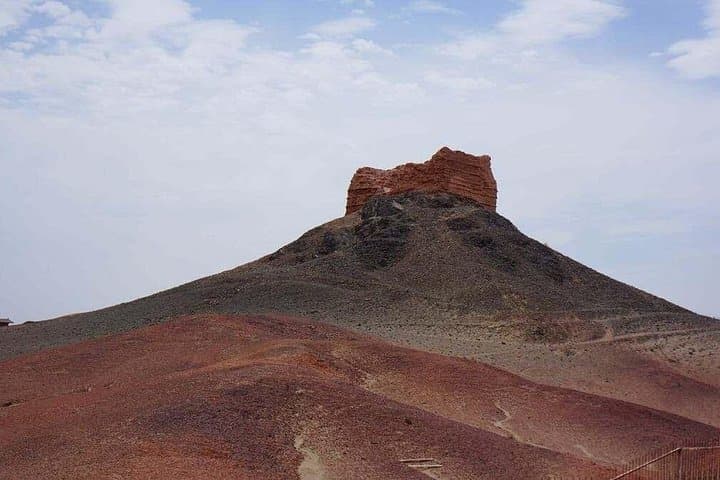
On this private day tour you’ll visit several cliffside grottoes with surviving stucco and painted figures, then cross to Yangguan Town for lunch at a local farm restaurant and a stroll through grape vines that thrive in the small oasis. The Yangguan museum and the remnant beacon tower illustrate how the pass functioned as both defense and customs point.
Practical notes: expect uneven stone steps and short cliffside climbs—comfortable walking shoes and sun protection are essential. Carry your passport for site entry and take breaks to acclimate to the dry air. The rhythm of the day is steady: an easy morning of cave visits, a relaxed local lunch, and an afternoon spent walking the pass and its museum before a late return to Dunhuang.