THE ADVENTURE COLLECTIVE® · Independent discovery and booking for outdoor travel

Spend a full day tracing Astoria’s maritime past, winding from the Astoria Column to the Columbia River Maritime Museum. This private tour pairs local stories and flexible stops with coastal viewpoints and a comfortable vehicle for a seamless day trip from Portland or local pickup.
Spend a full day tracing Astoria’s maritime past, winding from the Astoria Column to the Columbia River Maritime Museum. This private tour pairs local stories and flexible stops with coastal viewpoints and a comfortable vehicle for a seamless day trip from Portland or local pickup.
You arrive on a gray morning and the Columbia River is already moving—thick, patient, pushing the sea back and forth against a line of pilings. The van eases into town and your guide opens the door with a map of choices and a quiet confidence born of hundreds of coastal days. For the next twelve hours Astoria isn’t a postcard but a working place: a port city with wind in its teeth, a patchwork of Victorian roofs, and viewpoints that demand you climb to earn them.
Verified experiences and guided adventures in the surrounding area.
Operated by Discover Oregon · Astoria, Oregon
You arrive on a gray morning and the Columbia River is already moving—thick, patient, pushing the sea back and forth against a line of pilings. The van eases into town and your guide opens the door with a map of choices and a quiet confidence born of hundreds of coastal days. For the next twelve hours Astoria isn’t a postcard but a working place: a port city with wind in its teeth, a patchwork of Victorian roofs, and viewpoints that demand you climb to earn them.
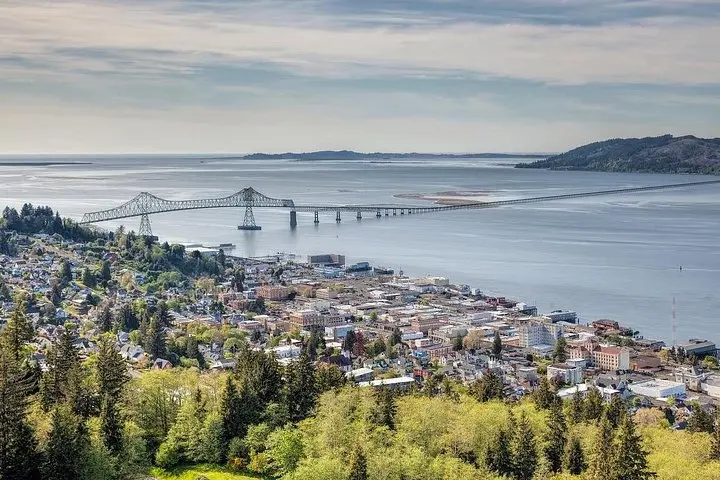
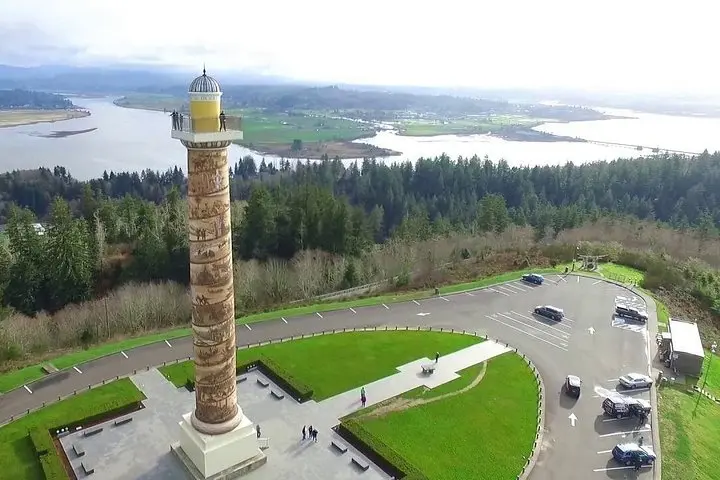
Start at the Astoria Column. The spiral of stairs insists you pay attention; from the top the river and Pacific meet like two people negotiating a shoreline. The column was built in 1926 as a triumphal marker, and its painted frieze narrates early exploration and regional growth. Below, the Astoria-Megler Bridge stretches 4.1 miles—an engineering lung reaching across turbulent water and the famous Columbia River Bar, where ocean swells collide with river current and have swallowed ships for centuries.
Astoria grew around timber, salmon, and the sea lanes that stitched the Pacific Northwest into global trade. Captain George Flavel’s mansion keeps the ledger of a different era—Victorian flourishes and stories of captains who made fortunes piloting ships through the river’s hazards. At the Columbia River Maritime Museum, exhibits slow time: ship models, bar pilot logbooks, and an account of the Bar’s near-legendary danger.
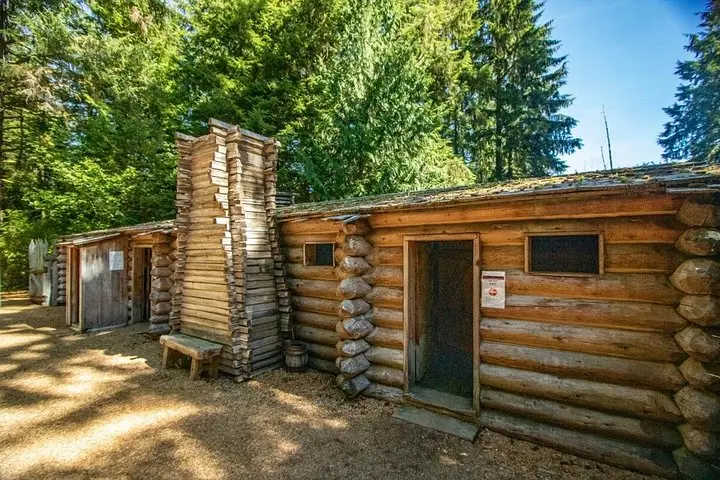
Geology here is blunt: uplifted beaches, dunes, and riverine deposits tell a story of collisions—tectonic and tidal—while basalt and sediment mark the terrain the Lewis and Clark Expedition encountered when they reached this coastline in 1805.
Practical side: this is a full-day private tour (about 12–13 hours) that runs from Portland or locally in Astoria and includes private transportation in a Sprinter or Grand Highlander, snacks, and a guide. Bring layered waterproofs—the coast can flip from sun to fog in an hour—and sturdy shoes for cobbled streets and the Column’s stairs. If you’re prone to motion discomfort, carry ginger or motion patches for the drive and the trolley ride.
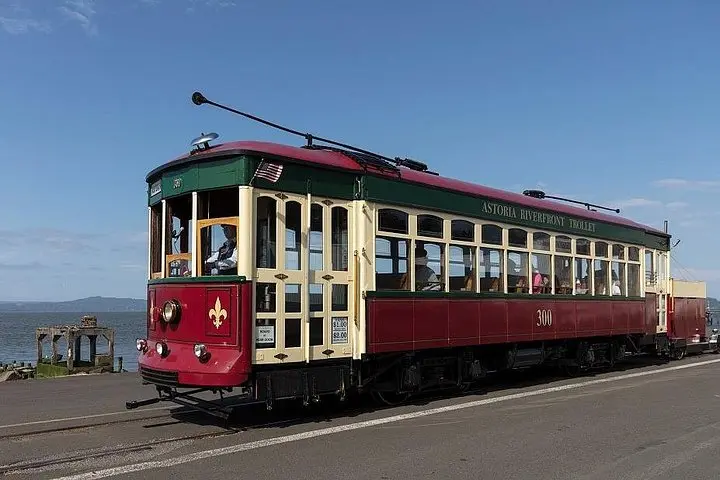
Timing matters: sunrise softens the river, mid-morning light suits the Column and waterfront, and late afternoon feeds color into the bridge’s steel. Ask your guide to tailor stops: a trolley ride along the waterfront, a quiet walk through the Flavel House gardens, or extra time at the Maritime Museum. The tour is wheelchair-accessible in the vehicle, though some sites (Astoria Column, certain historic homes) have limited access. Above all, let the river guide the pace—its steady pull is the region’s true clock.
The private full-day tour runs about 12–13 hours and typically starts with pickup in Downtown Portland or another agreed location, with flexibility for local pickups in Astoria.
The vehicle and many stops are wheelchair accessible, but sites such as the Astoria Column and some historic homes have limited access—notify the operator when booking for accommodations.
Yes—this private experience offers flexibility to extend time at museums, skip certain stops, or add scenic photo stops upon request.
The tour includes seasonal snacks and refreshments; admissions for some attractions may be included or optional—confirm specifics when booking.
Layered clothing with a waterproof outer layer and sturdy shoes are recommended; temperatures can be several degrees cooler on exposed viewpoints.
Tipping is customary for private guides—10–20% of the tour price is a common guideline based on service and group size.
Discover Oregon operates guided outdoor trips and adventures with an emphasis on safety, stewardship, and memorable experiences.
You arrive on a gray morning and the Columbia River is already moving—thick, patient, pushing the sea back and forth against a line of pilings. The van eases into town and your guide opens the door with a map of choices and a quiet confidence born of hundreds of coastal days. For the next twelve hours Astoria isn’t a postcard but a working place: a port city with wind in its teeth, a patchwork of Victorian roofs, and viewpoints that demand you climb to earn them.
You arrive on a gray morning and the Columbia River is already moving—thick, patient, pushing the sea back and forth against a line of pilings. The van eases into town and your guide opens the door with a map of choices and a quiet confidence born of hundreds of coastal days. For the next twelve hours Astoria isn’t a postcard but a working place: a port city with wind in its teeth, a patchwork of Victorian roofs, and viewpoints that demand you climb to earn them.
Start at the Astoria Column. The spiral of stairs insists you pay attention; from the top the river and Pacific meet like two people negotiating a shoreline. The column was built in 1926 as a triumphal marker, and its painted frieze narrates early exploration and regional growth. Below, the Astoria-Megler Bridge stretches 4.1 miles—an engineering lung reaching across turbulent water and the famous Columbia River Bar, where ocean swells collide with river current and have swallowed ships for centuries.
Astoria grew around timber, salmon, and the sea lanes that stitched the Pacific Northwest into global trade. Captain George Flavel’s mansion keeps the ledger of a different era—Victorian flourishes and stories of captains who made fortunes piloting ships through the river’s hazards. At the Columbia River Maritime Museum, exhibits slow time: ship models, bar pilot logbooks, and an account of the Bar’s near-legendary danger.
Geology here is blunt: uplifted beaches, dunes, and riverine deposits tell a story of collisions—tectonic and tidal—while basalt and sediment mark the terrain the Lewis and Clark Expedition encountered when they reached this coastline in 1805.
Practical side: this is a full-day private tour (about 12–13 hours) that runs from Portland or locally in Astoria and includes private transportation in a Sprinter or Grand Highlander, snacks, and a guide. Bring layered waterproofs—the coast can flip from sun to fog in an hour—and sturdy shoes for cobbled streets and the Column’s stairs. If you’re prone to motion discomfort, carry ginger or motion patches for the drive and the trolley ride.
Timing matters: sunrise softens the river, mid-morning light suits the Column and waterfront, and late afternoon feeds color into the bridge’s steel. Ask your guide to tailor stops: a trolley ride along the waterfront, a quiet walk through the Flavel House gardens, or extra time at the Maritime Museum. The tour is wheelchair-accessible in the vehicle, though some sites (Astoria Column, certain historic homes) have limited access. Above all, let the river guide the pace—its steady pull is the region’s true clock.