THE ADVENTURE COLLECTIVE® · Independent discovery and booking for outdoor travel

Walk where an Ice Age mammoth was found and enter a 500‑year‑old farmhouse on this private two‑hour tour in Nevlje. Learn about archaeology, organic farming and local life while enjoying pasture views of the Kamnik‑Savinja Alps.
Walk where an Ice Age mammoth was found and enter a 500‑year‑old farmhouse on this private two‑hour tour in Nevlje. Learn about archaeology, organic farming and local life while enjoying pasture views of the Kamnik‑Savinja Alps.
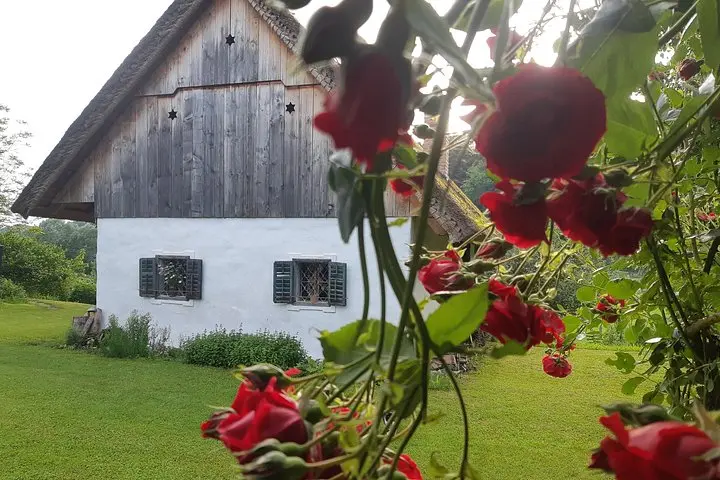
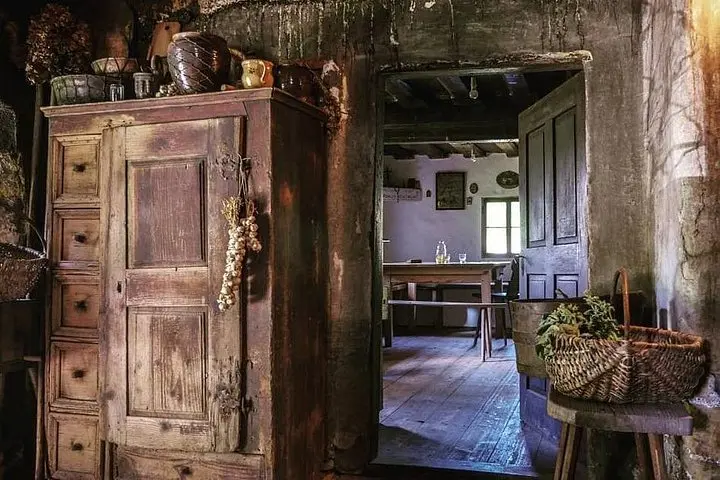
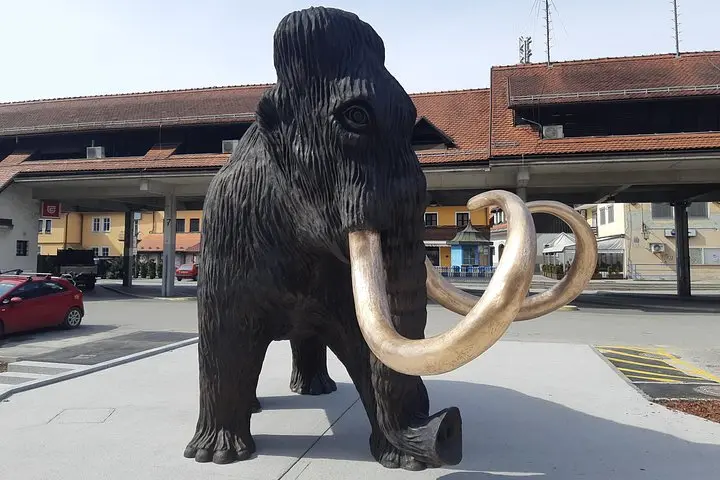
A narrow village lane leads off the main road and into Nevlje; the Nevljica river runs close enough to hear, its banks then and now guarding bones and small lives alike. On this private two-hour visit, guests move between a 500‑year‑old Vodiskar farmhouse, a modest bridge known locally as the Mammoth Bridge, and the family organic farm where bees, hens and grazing cows shape the landscape.
Verified experiences and guided adventures in the surrounding area.
Operated by Eco Tourism Kamnik · Nevlje (Kamnik), Upper Carniola
A narrow village lane leads off the main road and into Nevlje; the Nevljica river runs close enough to hear, its banks then and now guarding bones and small lives alike. On this private two-hour visit, guests move between a 500‑year‑old Vodiskar farmhouse, a modest bridge known locally as the Mammoth Bridge, and the family organic farm where bees, hens and grazing cows shape the landscape.
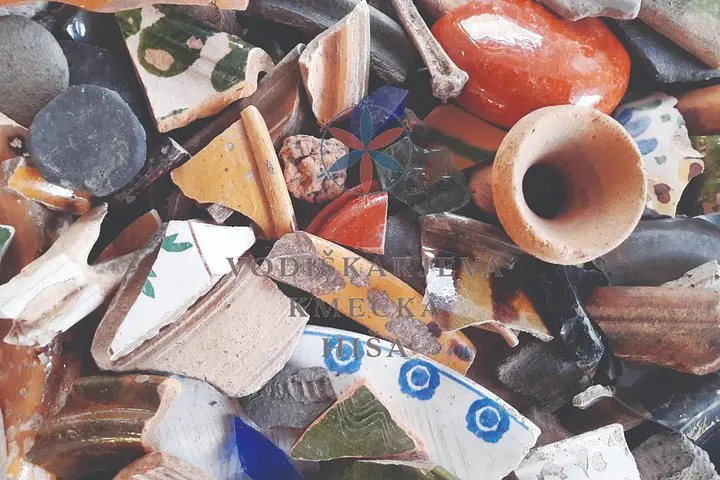
The farmhouse wears a thatch roof and contains an archaeological collection—coins, keys and domestic tools—that links present farming to half a millennium of rural life. Geologically, the site sits on gravel terraces of the Nevljica; during 20th‑century river works workers exposed a 30,000‑year‑old mammoth skeleton, now housed in Ljubljana’s national collections. Culturally, Nevlje is a pocket of traditional Slovenian agri‑life with herbs, pasture mosaics and clear views toward the Kamnik‑Savinja Alps.
Expect gentle, mostly level walking on village lanes, pasture margins and compact footpaths; parts are wheelchair and stroller accessible with short uneven sections near fields. The mood is hands‑on—collect an egg, visit the ecoshop, sniff herbs at the forest edge. Guides tailor the emphasis between archaeology, farmhouse history and organic practices.
Practical notes: tours last about two hours, run year‑round with seasonal variations, and include refreshments. Wear sturdy shoes for muddy spots, bring a hat and water in summer, and allow extra time to reach Nevlje from Kamnik or Ljubljana by car or regional bus.
The standard private tour lasts approximately two hours and covers the farmhouse, mammoth bridge area, pastures and the ecoshop.
Yes — the tour notes indicate wheelchair accessibility, though some outdoor surfaces near pastures can be uneven; contact the operator for specifics.
The mammoth bones discovered near the Nevljica river were transferred to Ljubljana’s national collections; the site in Nevlje is interpreted on location.
Yes — the ecoshop offers homemade organic products and the visit often includes a small drink or tasting.
Eco Tourism Kamnik operates guided outdoor trips and adventures with an emphasis on safety, stewardship, and memorable experiences.
A narrow village lane leads off the main road and into Nevlje; the Nevljica river runs close enough to hear, its banks then and now guarding bones and small lives alike. On this private two-hour visit, guests move between a 500‑year‑old Vodiskar farmhouse, a modest bridge known locally as the Mammoth Bridge, and the family organic farm where bees, hens and grazing cows shape the landscape.
A narrow village lane leads off the main road and into Nevlje; the Nevljica river runs close enough to hear, its banks then and now guarding bones and small lives alike. On this private two-hour visit, guests move between a 500‑year‑old Vodiskar farmhouse, a modest bridge known locally as the Mammoth Bridge, and the family organic farm where bees, hens and grazing cows shape the landscape.
The farmhouse wears a thatch roof and contains an archaeological collection—coins, keys and domestic tools—that links present farming to half a millennium of rural life. Geologically, the site sits on gravel terraces of the Nevljica; during 20th‑century river works workers exposed a 30,000‑year‑old mammoth skeleton, now housed in Ljubljana’s national collections. Culturally, Nevlje is a pocket of traditional Slovenian agri‑life with herbs, pasture mosaics and clear views toward the Kamnik‑Savinja Alps.
Expect gentle, mostly level walking on village lanes, pasture margins and compact footpaths; parts are wheelchair and stroller accessible with short uneven sections near fields. The mood is hands‑on—collect an egg, visit the ecoshop, sniff herbs at the forest edge. Guides tailor the emphasis between archaeology, farmhouse history and organic practices.
Practical notes: tours last about two hours, run year‑round with seasonal variations, and include refreshments. Wear sturdy shoes for muddy spots, bring a hat and water in summer, and allow extra time to reach Nevlje from Kamnik or Ljubljana by car or regional bus.