THE ADVENTURE COLLECTIVE® · Independent discovery and booking for outdoor travel

Skip research and crowds with a private English-speaking guide who links Osaka Castle, Dotonbori, Shinsekai, Shitennoji and Harukas into one efficient day. This customized tour blends history, food markets and city views while a guide handles logistics and local insight.
Skip research and crowds with a private English-speaking guide who links Osaka Castle, Dotonbori, Shinsekai, Shitennoji and Harukas into one efficient day. This customized tour blends history, food markets and city views while a guide handles logistics and local insight.
You step out into a corridor of neon and aroma—Dotonbori’s canalside lights flicker as vendors flip takoyaki and the river dares you to follow its curve. Moments later the noise falls away under the broad trees of Osaka Castle Park, where stone walls and moats push you into sixteenth-century politics and the engineered calm of the imperial courts. A private English-speaking guide threads these contrasts—market to monument, shrine to skyscraper—tailoring the day to your pace.
Verified experiences and guided adventures in the surrounding area.
Operated by Hamzi · Osaka, Osaka Prefecture
You step out into a corridor of neon and aroma—Dotonbori’s canalside lights flicker as vendors flip takoyaki and the river dares you to follow its curve. Moments later the noise falls away under the broad trees of Osaka Castle Park, where stone walls and moats push you into sixteenth-century politics and the engineered calm of the imperial courts. A private English-speaking guide threads these contrasts—market to monument, shrine to skyscraper—tailoring the day to your pace.
Osaka’s story is mercantile: a city rebuilt on alluvial plains and human ambition. From Shitennoji, one of Japan’s oldest Buddhist temples, to Shinsekai’s Showa-era oddities and the vantage of Abeno Harukas, you trace layers of history, modern commerce, and urban geology—flat river plains backed by the Rokko and Ikoma ranges. The Kuromon Market is a living ledger of food culture; street stalls are where local life happens.
Practically, this is a walking-rich, vehicle-supported day: expect several short walks, stairs at historic sites, and daytime crowds in entertainment districts. Your guide handles navigation and local tips—where to try kushikatsu safely, when to avoid the lunch rush, and how to behave in temple precincts. Bring comfortable footwear, a small daypack, cash for market purchases, and a light rain layer in spring or typhoon season. Start early to maximize daylight, and plan a mix of indoor and outdoor stops to flex with weather. For visitors with limited time, a private custom tour turns a sprawling city into a coherent, efficient story.
Most standard entrance fees are not included; the guide will advise which sites you may want to enter and handle logistics if you choose to pay on site.
The tour notes wheelchair-accessible options and vehicle transport; accessibility at historic sites can vary—notify the operator of needs when booking so they can plan an accessible route.
Yes; the private format allows the guide to tailor stops and pacing to your interests, from food-focused routes to history-heavy options.
Tipping is not customary in Japan; thoughtful thanks or small gifts are appreciated but not required—guides generally do not expect gratuities.
Hamzi operates guided outdoor trips and adventures with an emphasis on safety, stewardship, and memorable experiences.
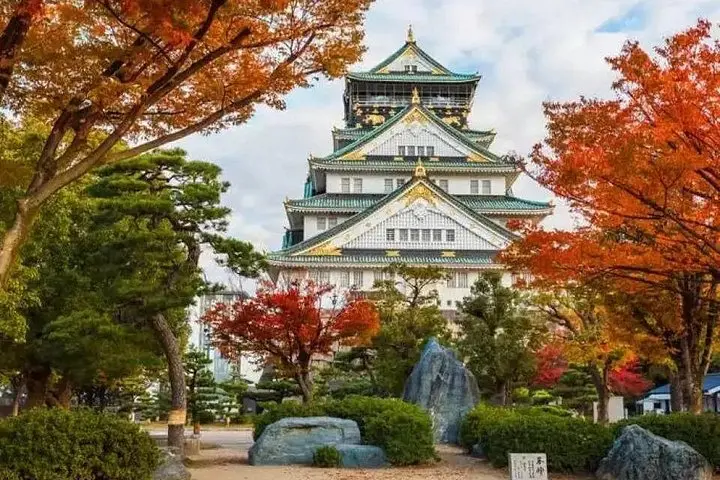
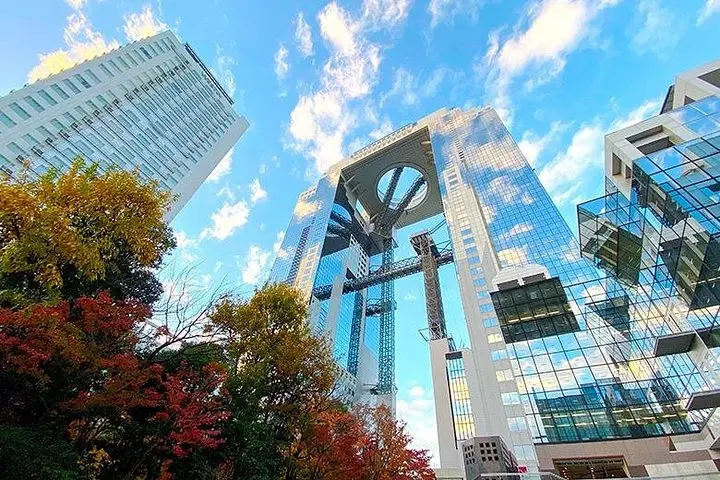
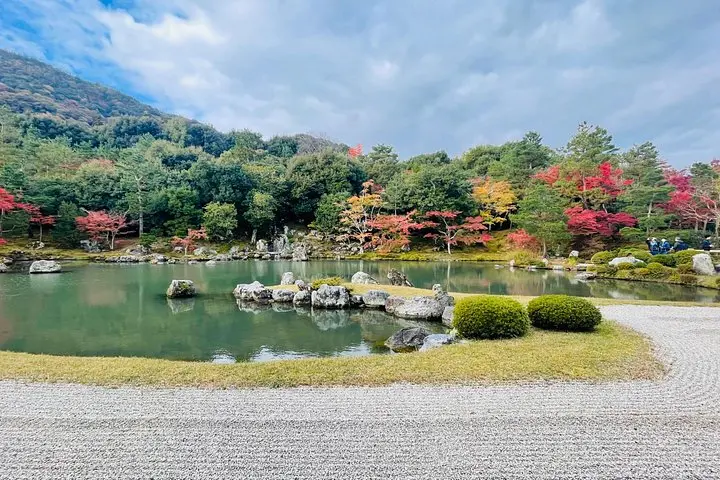
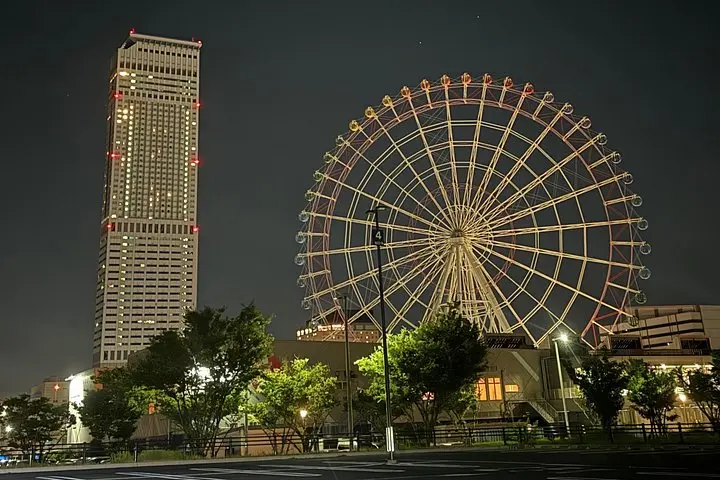
You step out into a corridor of neon and aroma—Dotonbori’s canalside lights flicker as vendors flip takoyaki and the river dares you to follow its curve. Moments later the noise falls away under the broad trees of Osaka Castle Park, where stone walls and moats push you into sixteenth-century politics and the engineered calm of the imperial courts. A private English-speaking guide threads these contrasts—market to monument, shrine to skyscraper—tailoring the day to your pace.
You step out into a corridor of neon and aroma—Dotonbori’s canalside lights flicker as vendors flip takoyaki and the river dares you to follow its curve. Moments later the noise falls away under the broad trees of Osaka Castle Park, where stone walls and moats push you into sixteenth-century politics and the engineered calm of the imperial courts. A private English-speaking guide threads these contrasts—market to monument, shrine to skyscraper—tailoring the day to your pace.
Osaka’s story is mercantile: a city rebuilt on alluvial plains and human ambition. From Shitennoji, one of Japan’s oldest Buddhist temples, to Shinsekai’s Showa-era oddities and the vantage of Abeno Harukas, you trace layers of history, modern commerce, and urban geology—flat river plains backed by the Rokko and Ikoma ranges. The Kuromon Market is a living ledger of food culture; street stalls are where local life happens.
Practically, this is a walking-rich, vehicle-supported day: expect several short walks, stairs at historic sites, and daytime crowds in entertainment districts. Your guide handles navigation and local tips—where to try kushikatsu safely, when to avoid the lunch rush, and how to behave in temple precincts. Bring comfortable footwear, a small daypack, cash for market purchases, and a light rain layer in spring or typhoon season. Start early to maximize daylight, and plan a mix of indoor and outdoor stops to flex with weather. For visitors with limited time, a private custom tour turns a sprawling city into a coherent, efficient story.