THE ADVENTURE COLLECTIVE® · Independent discovery and booking for outdoor travel

Walk Otaru’s historic canal, craft a music box, climb (by cable car) for ocean views atop Mt. Tengu, and close the day with a hot spring — all from a private Sapporo pickup. This guided tour mixes seaside history, local craft, and practical planning tips for a smooth day trip.
Walk Otaru’s historic canal, craft a music box, climb (by cable car) for ocean views atop Mt. Tengu, and close the day with a hot spring — all from a private Sapporo pickup. This guided tour mixes seaside history, local craft, and practical planning tips for a smooth day trip.
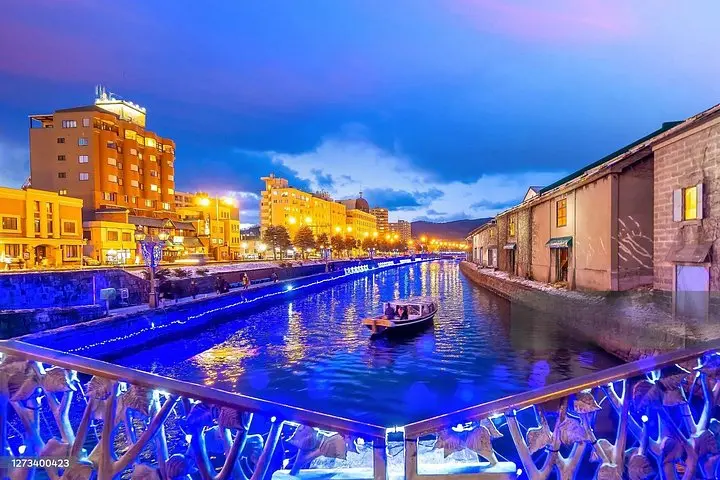
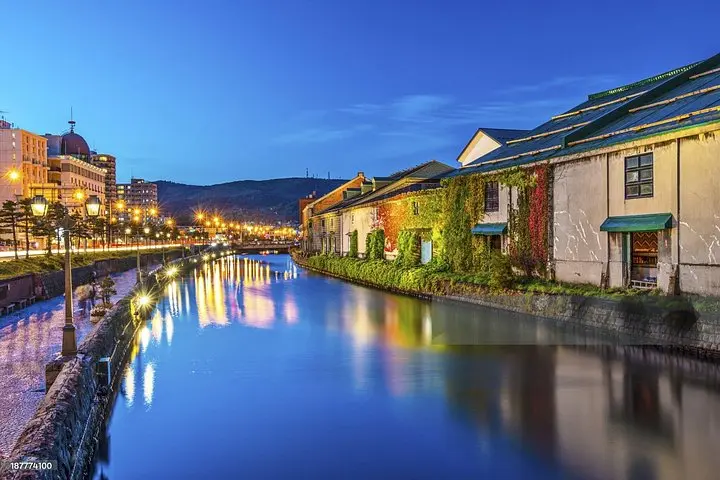
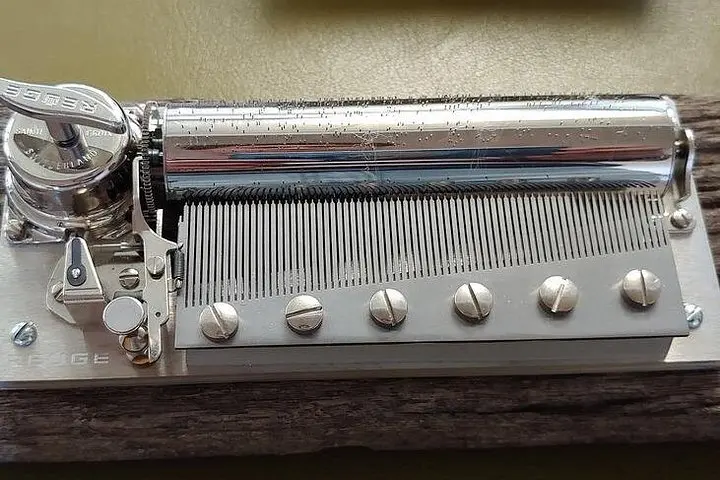
Dawn light sketches the stone warehouses along Otaru Canal while gulls quarrel over the morning tide and the air tastes faintly of sea salt and grilled seafood. On a private tour from Sapporo Station, a local Sightseeing Ambassador moves the day at a human pace: a slow walk along the cobbled quay, an hour at a music‑box workshop shaping a small souvenir, then a cable car lift to Tengu for a panoramic sweep of Ishikari Bay.
Verified experiences and guided adventures in the surrounding area.
Operated by Sapporosightseeing Ambasador Special Travel Package · Otaru, Hokkaido
Dawn light sketches the stone warehouses along Otaru Canal while gulls quarrel over the morning tide and the air tastes faintly of sea salt and grilled seafood. On a private tour from Sapporo Station, a local Sightseeing Ambassador moves the day at a human pace: a slow walk along the cobbled quay, an hour at a music‑box workshop shaping a small souvenir, then a cable car lift to Tengu for a panoramic sweep of Ishikari Bay.
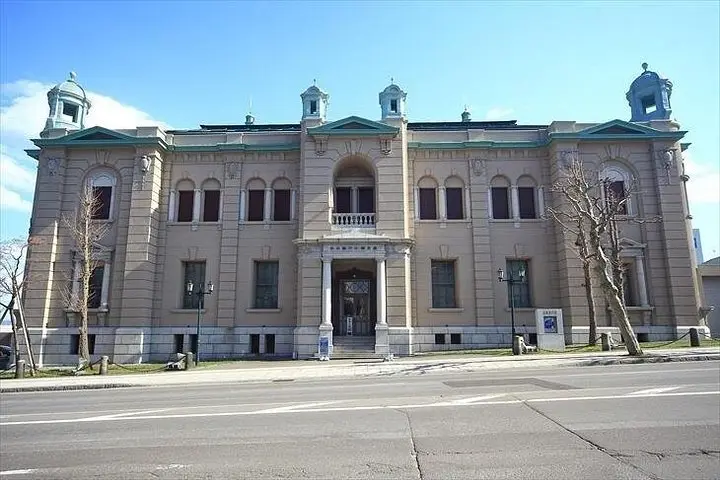
Otaru rose in the 19th century as Hokkaido’s trading port — the canal and brick banks are remnants of that boom. The former Bank of Japan branch (1912) and the glass studios that line Sakaimachi Street speak to commerce and craft; LeTAO cheesecake and seafood stalls show how local produce became part of the city’s identity. Geologically, the coast is sheltered by a narrow inlet and low headlands that focus waves toward the harbor, shaping the compact waterfront you’ll explore.
Practically: expect mostly flat, walkable streets with short stair sections and cobblestones. The tour runs about 5–6 hours and includes short rides (private vehicle and a cable car ticket where applicable) and an onsen visit—bring cash for small purchases and the music‑box workshop (experience fee included up to a limit). Layer for wind off the bay, carry a portable charger for photos, and respect onsen rules (many baths restrict visible tattoos). Time your visit for late afternoon light if you want the canal lamps; winter access to some mountain roads can be limited.
Pickup is arranged at Sapporo Station; be ready at the agreed meeting point 10–15 minutes before the scheduled departure to allow for a smooth start.
Yes—this is a gentle, mostly walking tour with vehicle transfers; the pace is private and can be adjusted for families and older travelers.
The itinerary notes that the music‑box experience fee is included up to a set amount (typically ~¥3,000); other admissions noted as included will be specified at booking.
Winter can close certain mountain roads; the cable car and summit access are subject to seasonal operation—confirm with the operator before booking winter dates.
Sapporosightseeing Ambasador Special Travel Package operates guided outdoor trips and adventures with an emphasis on safety, stewardship, and memorable experiences.
Dawn light sketches the stone warehouses along Otaru Canal while gulls quarrel over the morning tide and the air tastes faintly of sea salt and grilled seafood. On a private tour from Sapporo Station, a local Sightseeing Ambassador moves the day at a human pace: a slow walk along the cobbled quay, an hour at a music‑box workshop shaping a small souvenir, then a cable car lift to Tengu for a panoramic sweep of Ishikari Bay.
Dawn light sketches the stone warehouses along Otaru Canal while gulls quarrel over the morning tide and the air tastes faintly of sea salt and grilled seafood. On a private tour from Sapporo Station, a local Sightseeing Ambassador moves the day at a human pace: a slow walk along the cobbled quay, an hour at a music‑box workshop shaping a small souvenir, then a cable car lift to Tengu for a panoramic sweep of Ishikari Bay.
Otaru rose in the 19th century as Hokkaido’s trading port — the canal and brick banks are remnants of that boom. The former Bank of Japan branch (1912) and the glass studios that line Sakaimachi Street speak to commerce and craft; LeTAO cheesecake and seafood stalls show how local produce became part of the city’s identity. Geologically, the coast is sheltered by a narrow inlet and low headlands that focus waves toward the harbor, shaping the compact waterfront you’ll explore.
Practically: expect mostly flat, walkable streets with short stair sections and cobblestones. The tour runs about 5–6 hours and includes short rides (private vehicle and a cable car ticket where applicable) and an onsen visit—bring cash for small purchases and the music‑box workshop (experience fee included up to a limit). Layer for wind off the bay, carry a portable charger for photos, and respect onsen rules (many baths restrict visible tattoos). Time your visit for late afternoon light if you want the canal lamps; winter access to some mountain roads can be limited.