THE ADVENTURE COLLECTIVE® · Independent discovery and booking for outdoor travel

Escape Marrakech for a private day in the High Atlas: walk to Setti Fatma’s waterfalls, visit an argan cooperative, and meet Berber villagers. This practical guide previews what to expect—terrain, culture, and must-bring gear.
Escape Marrakech for a private day in the High Atlas: walk to Setti Fatma’s waterfalls, visit an argan cooperative, and meet Berber villagers. This practical guide previews what to expect—terrain, culture, and must-bring gear.
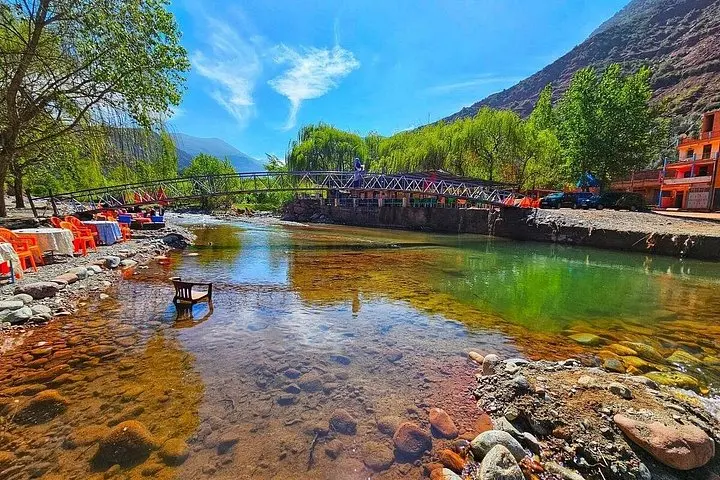
A cool morning breaks over Marrakech as your private driver threads the road south into the High Atlas. Olive groves and terraced fields slip past the window; the Ourika River, unseen from the highway, calls softly ahead. By midmorning the air sharpens with mountain pine and river mist — the valley seems to breathe around you, drawing visitors down trackways toward the village of Setti Fatma and its cascades.
Verified experiences and guided adventures in the surrounding area.
Operated by explore morocco atlas · Ourika, Marrakech-Safi
A cool morning breaks over Marrakech as your private driver threads the road south into the High Atlas. Olive groves and terraced fields slip past the window; the Ourika River, unseen from the highway, calls softly ahead. By midmorning the air sharpens with mountain pine and river mist — the valley seems to breathe around you, drawing visitors down trackways toward the village of Setti Fatma and its cascades.
The Ourika Valley has been shaped by water and people for centuries. Granite ridges ground by ancient uplift form the steep gullies; alluvial terraces carved by successive generations of Berber farmers hold fig, walnut, and olive trees. Argan oil cooperatives here represent a modern chapter in local economy — women’s groups processing kernels by hand using techniques passed down through the region.
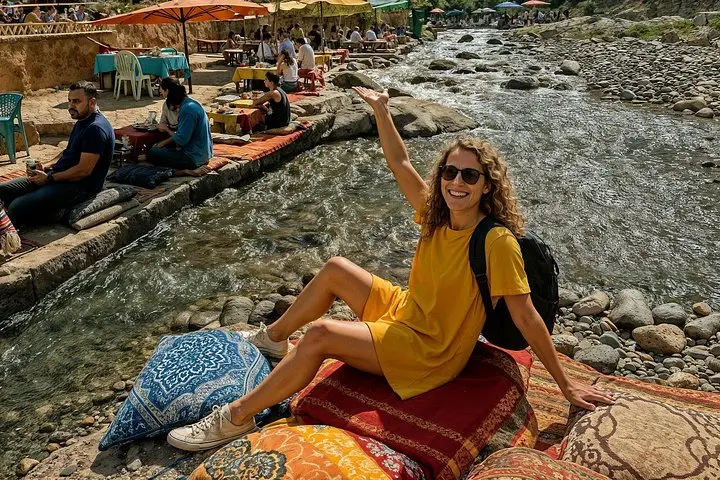
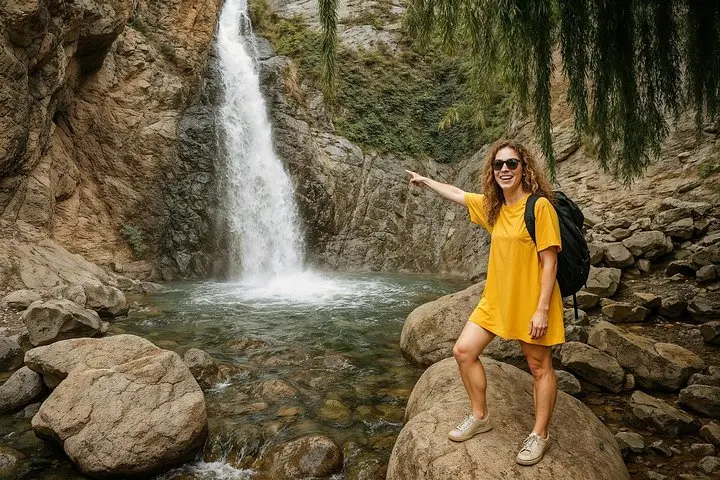
Culturally, the valley is quiet and direct: small shops, riverside cafés, and homes that open to guests for mint tea. Geologically, the cascade steps reveal the interaction of runoff and resistant bedrock, producing the tiered Setti Fatma falls.
Practical guidance: expect a full day (8–9 hours) with about 30–60 minutes of walking on uneven, sometimes muddy paths at the waterfall sites. Wear sturdy shoes, bring sun protection and refillable water, and budget for a riverside lunch and small purchases at cooperatives if you wish to support local producers.
Timing your trip for early morning departures avoids midafternoon heat and offers softer light for photos. Respect private homes and trails, and let the valley’s steady river pace set your own.
The drive is roughly 40–60 minutes depending on traffic and exact pickup point; expect 8–9 hours total for the round-trip day tour.
The guided walks are short but involve uneven, sometimes slippery paths and steps; comfortable shoes and basic mobility are sufficient for most people.
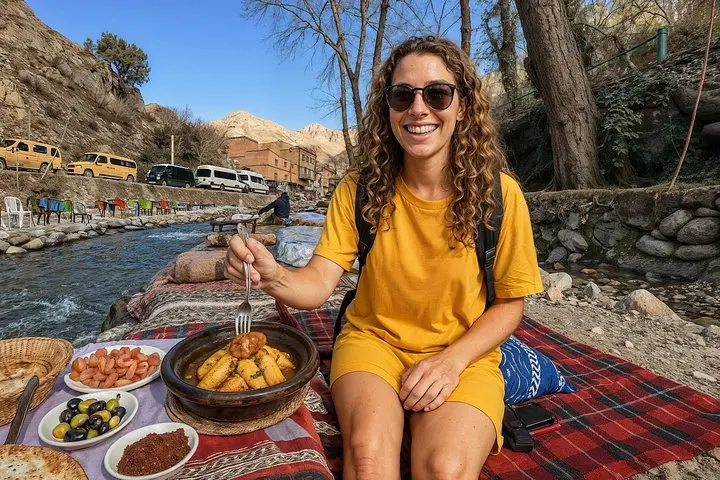
Lunch is usually not included—most itineraries stop at a riverside restaurant where you can order a traditional Moroccan meal at your own expense.
Yes; cooperatives sell handmade argan oil and cosmetics. Buying directly supports local women’s groups—bring cash for easier transactions.
explore morocco atlas operates guided outdoor trips and adventures with an emphasis on safety, stewardship, and memorable experiences.
A cool morning breaks over Marrakech as your private driver threads the road south into the High Atlas. Olive groves and terraced fields slip past the window; the Ourika River, unseen from the highway, calls softly ahead. By midmorning the air sharpens with mountain pine and river mist — the valley seems to breathe around you, drawing visitors down trackways toward the village of Setti Fatma and its cascades.
A cool morning breaks over Marrakech as your private driver threads the road south into the High Atlas. Olive groves and terraced fields slip past the window; the Ourika River, unseen from the highway, calls softly ahead. By midmorning the air sharpens with mountain pine and river mist — the valley seems to breathe around you, drawing visitors down trackways toward the village of Setti Fatma and its cascades.
The Ourika Valley has been shaped by water and people for centuries. Granite ridges ground by ancient uplift form the steep gullies; alluvial terraces carved by successive generations of Berber farmers hold fig, walnut, and olive trees. Argan oil cooperatives here represent a modern chapter in local economy — women’s groups processing kernels by hand using techniques passed down through the region.
Culturally, the valley is quiet and direct: small shops, riverside cafés, and homes that open to guests for mint tea. Geologically, the cascade steps reveal the interaction of runoff and resistant bedrock, producing the tiered Setti Fatma falls.
Practical guidance: expect a full day (8–9 hours) with about 30–60 minutes of walking on uneven, sometimes muddy paths at the waterfall sites. Wear sturdy shoes, bring sun protection and refillable water, and budget for a riverside lunch and small purchases at cooperatives if you wish to support local producers.
Timing your trip for early morning departures avoids midafternoon heat and offers softer light for photos. Respect private homes and trails, and let the valley’s steady river pace set your own.