THE ADVENTURE COLLECTIVE® · Independent discovery and booking for outdoor travel

Walk through Oxford’s stone streets with a university alumni guide who tailors the route to your interests — from medieval colleges to Harry Potter film locations. Learn local history, see hidden entrances, and get practical tips for an efficient two-hour city exploration.
Walk through Oxford’s stone streets with a university alumni guide who tailors the route to your interests — from medieval colleges to Harry Potter film locations. Learn local history, see hidden entrances, and get practical tips for an efficient two-hour city exploration.
You step off the cobbles into a corridor of stone and shadow: narrow lanes open suddenly on domes and spires, the river glinting past willow roots. An alumni guide walks ahead, pointing out an entrance only locals know, and the city’s scale narrows to the human rhythms of college life — bicycle bells, gown-clad students, and libraries that smell faintly of old paper.
Verified experiences and guided adventures in the surrounding area.
Operated by Footprints Tours Limited · Oxford, Oxfordshire
You step off the cobbles into a corridor of stone and shadow: narrow lanes open suddenly on domes and spires, the river glinting past willow roots. An alumni guide walks ahead, pointing out an entrance only locals know, and the city’s scale narrows to the human rhythms of college life — bicycle bells, gown-clad students, and libraries that smell faintly of old paper.
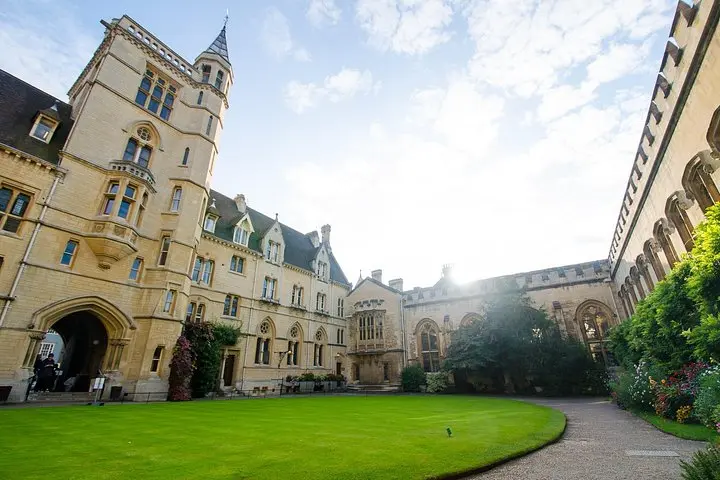
Oxford’s urban fabric is centuries deep. Colleges grew from medieval halls around the 12th–13th centuries; the Radcliffe Camera and Bodleian reflect 18th–19th century neoclassical and Gothic revival trends. Architecturally, much of central Oxford uses local limestone and coursed stone, giving the skyline its pale, granular tone. The city sits on alluvial plains with older limestone bedrock visible in quarries to the west — geology that supplied building stone and shaped river courses used for punt traffic.
Culturally, the tour is a conversation: tutorial practices, famous alumni, and film locations (many Harry Potter scenes used college courts). Expect anecdotes about academic rivalries, snippets from the Bodleian’s past, and practical local tips — where to catch a punt or a strong cup of tea.
Practical guidance: the walking is urban but often on uneven cobbles and occasional stairs inside older colleges. Tours last about two hours; bring layered clothing for quick weather shifts, comfortable shoes, and permission-ready ID if you want interior access to certain colleges. Accessibility-friendly routes are available on request; check with the operator about specific college entry fees. Aim for early morning or late afternoon to avoid peak coach traffic and to see college courts in calmer light.
Interior access depends on the colleges you choose and may require additional entrance fees; your guide will discuss options at the start so you can decide.
Yes—this private tour is tailored to your interests; indicate preferences when booking and your guide will plan relevant stops and anecdotes.
Many central routes and public areas are wheelchair accessible, but some college courts and chapels have steps; request accessibility options when booking to plan an appropriate route.
Tours are typically offered in English and may be available in other languages on request—confirm language availability at booking.
Footprints Tours Limited operates guided outdoor trips and adventures with an emphasis on safety, stewardship, and memorable experiences.
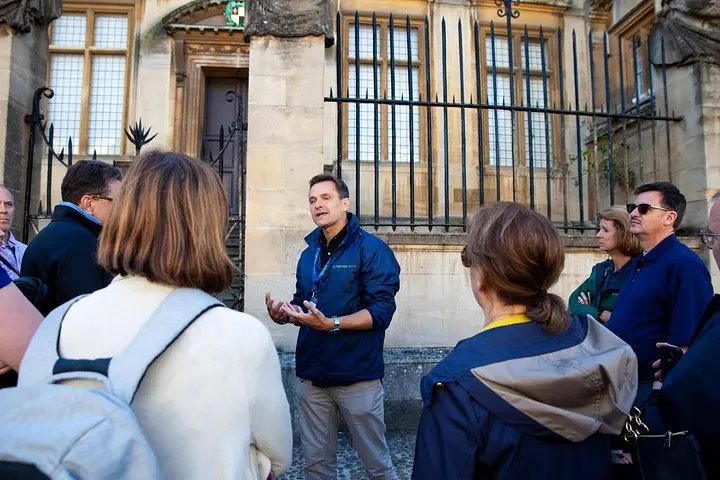


You step off the cobbles into a corridor of stone and shadow: narrow lanes open suddenly on domes and spires, the river glinting past willow roots. An alumni guide walks ahead, pointing out an entrance only locals know, and the city’s scale narrows to the human rhythms of college life — bicycle bells, gown-clad students, and libraries that smell faintly of old paper.
You step off the cobbles into a corridor of stone and shadow: narrow lanes open suddenly on domes and spires, the river glinting past willow roots. An alumni guide walks ahead, pointing out an entrance only locals know, and the city’s scale narrows to the human rhythms of college life — bicycle bells, gown-clad students, and libraries that smell faintly of old paper.
Oxford’s urban fabric is centuries deep. Colleges grew from medieval halls around the 12th–13th centuries; the Radcliffe Camera and Bodleian reflect 18th–19th century neoclassical and Gothic revival trends. Architecturally, much of central Oxford uses local limestone and coursed stone, giving the skyline its pale, granular tone. The city sits on alluvial plains with older limestone bedrock visible in quarries to the west — geology that supplied building stone and shaped river courses used for punt traffic.
Culturally, the tour is a conversation: tutorial practices, famous alumni, and film locations (many Harry Potter scenes used college courts). Expect anecdotes about academic rivalries, snippets from the Bodleian’s past, and practical local tips — where to catch a punt or a strong cup of tea.
Practical guidance: the walking is urban but often on uneven cobbles and occasional stairs inside older colleges. Tours last about two hours; bring layered clothing for quick weather shifts, comfortable shoes, and permission-ready ID if you want interior access to certain colleges. Accessibility-friendly routes are available on request; check with the operator about specific college entry fees. Aim for early morning or late afternoon to avoid peak coach traffic and to see college courts in calmer light.