THE ADVENTURE COLLECTIVE® · Independent discovery and booking for outdoor travel

A private ascent of Pacaya offers close-up volcanic terrain, warm fumaroles for roasting marshmallows, and the option to ride a horse past the steepest sections. This accessible hike from Antigua blends geology, local guide knowledge, and practical choices like horse transport or an optional pizza experience.
A private ascent of Pacaya offers close-up volcanic terrain, warm fumaroles for roasting marshmallows, and the option to ride a horse past the steepest sections. This accessible hike from Antigua blends geology, local guide knowledge, and practical choices like horse transport or an optional pizza experience.
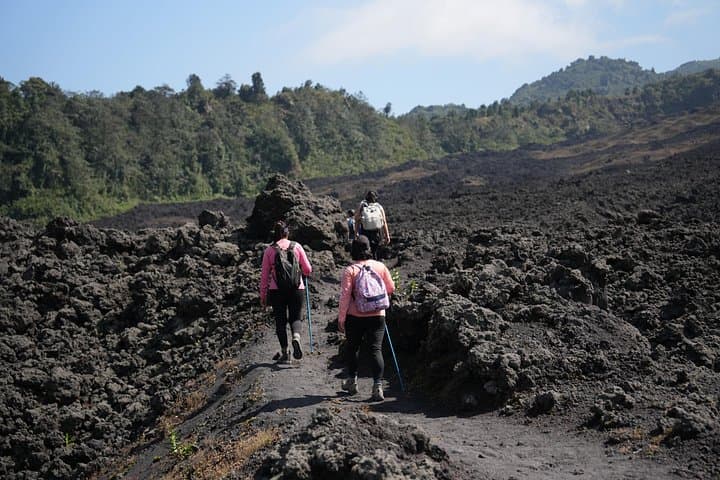
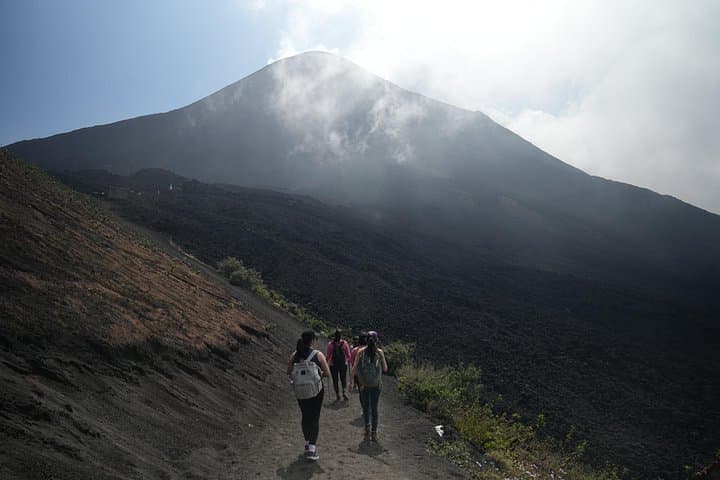
You step out of the van into a wind that carries the smell of warm earth and distant smoke. Underfoot, the trail climbs over old lava lobes and fresh volcanic sand; the ground seems to remember recent eruptions and offers a raw, tactile route toward Pacaya’s steaming flanks.
Verified experiences and guided adventures in the surrounding area.
Operated by Outstanding Guatemala · Antigua Guatemala, Sacatepéquez
You step out of the van into a wind that carries the smell of warm earth and distant smoke. Underfoot, the trail climbs over old lava lobes and fresh volcanic sand; the ground seems to remember recent eruptions and offers a raw, tactile route toward Pacaya’s steaming flanks.
Pacaya is one of Guatemala’s most active volcanoes, rising to about 2,552 m (8,373 ft). The climb used on private tours typically involves roughly 3–4 km round-trip and about 350–500 m (1,150–1,640 ft) of elevation gain, depending on the chosen trailhead. Geology here is recent—basaltic lava flows, cooled ʻaʻā and pahoehoe textures, and fumaroles that hint at the magma feeding the surface. Culturally, the slopes have long been used by nearby communities for coffee and grazing; today local guides blend that rural knowledge with safety around shifting volcanic terrain.
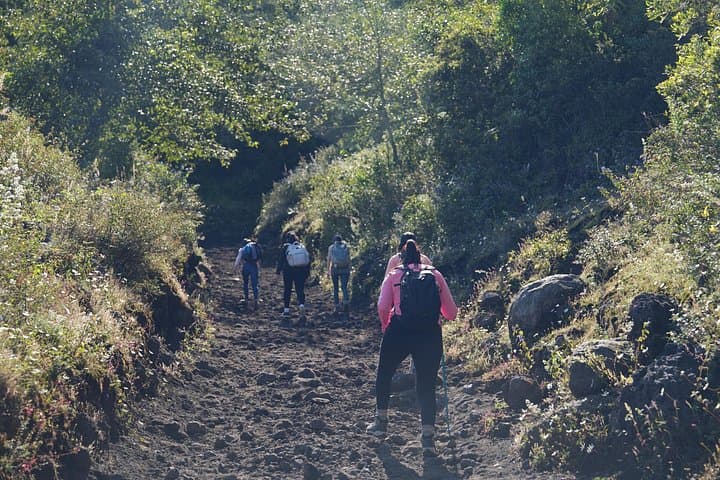
Expect uneven volcanic rock, loose ash sections, and brief steep pitches where a steady pace wins. Guides commonly allow a slow, private rhythm, and many groups opt for a $20 horse ride to skip the steepest approach. The reward is tactile: warm vents for roasting marshmallows, panoramic views toward Antigua and Agua Volcano, and the occasional glow from fresh flows on active nights.
Practical notes: go early to avoid afternoon clouds, carry 1–2 liters of water, wear stiff-soled boots, and bring cash for horse rides or the optional pizza experience. People with heart, spinal, or pregnancy concerns should avoid the ascent. Respect marked routes, follow your guide, and leave no trace—the terrain repairs slowly but will bear your footprints for years.
Typical private itineraries are 3–4 hours round-trip with moderate difficulty: expect 350–500 m of elevation gain over uneven volcanic terrain.
Yes—many operators offer a horse option (around $20) to skip the steepest part; bring cash and discuss any mobility limitations with the guide first.
Guides keep groups at safe distances from active flows and fumaroles; follow instructions, never cross ropes or barriers, and wear sturdy shoes to avoid hot or unstable surfaces.
People with heart or serious spinal conditions, pregnant travelers, or anyone advised against moderate exertion should not take this ascent.
Outstanding Guatemala operates guided outdoor trips and adventures with an emphasis on safety, stewardship, and memorable experiences.

You step out of the van into a wind that carries the smell of warm earth and distant smoke. Underfoot, the trail climbs over old lava lobes and fresh volcanic sand; the ground seems to remember recent eruptions and offers a raw, tactile route toward Pacaya’s steaming flanks.
You step out of the van into a wind that carries the smell of warm earth and distant smoke. Underfoot, the trail climbs over old lava lobes and fresh volcanic sand; the ground seems to remember recent eruptions and offers a raw, tactile route toward Pacaya’s steaming flanks.
Pacaya is one of Guatemala’s most active volcanoes, rising to about 2,552 m (8,373 ft). The climb used on private tours typically involves roughly 3–4 km round-trip and about 350–500 m (1,150–1,640 ft) of elevation gain, depending on the chosen trailhead. Geology here is recent—basaltic lava flows, cooled ʻaʻā and pahoehoe textures, and fumaroles that hint at the magma feeding the surface. Culturally, the slopes have long been used by nearby communities for coffee and grazing; today local guides blend that rural knowledge with safety around shifting volcanic terrain.
Expect uneven volcanic rock, loose ash sections, and brief steep pitches where a steady pace wins. Guides commonly allow a slow, private rhythm, and many groups opt for a $20 horse ride to skip the steepest approach. The reward is tactile: warm vents for roasting marshmallows, panoramic views toward Antigua and Agua Volcano, and the occasional glow from fresh flows on active nights.
Practical notes: go early to avoid afternoon clouds, carry 1–2 liters of water, wear stiff-soled boots, and bring cash for horse rides or the optional pizza experience. People with heart, spinal, or pregnancy concerns should avoid the ascent. Respect marked routes, follow your guide, and leave no trace—the terrain repairs slowly but will bear your footprints for years.