THE ADVENTURE COLLECTIVE® · Independent discovery and booking for outdoor travel

A private full-day drive from Venice to Padua and the Brenta Riviera, combining Giotto’s Scrovegni Chapel, St. Anthony’s Basilica, and the grand villas along the river—Villa Pisani among them. Comfortable walking, a pre-booked ticket for some sites, and a mix of guided history and riverside scenery.
A private full-day drive from Venice to Padua and the Brenta Riviera, combining Giotto’s Scrovegni Chapel, St. Anthony’s Basilica, and the grand villas along the river—Villa Pisani among them. Comfortable walking, a pre-booked ticket for some sites, and a mix of guided history and riverside scenery.
You step out at Piazzale Roma and the city gives a last wink of canals before the road pulls you inland. The driver eases the air-conditioned vehicle onto the autostrada and, after roughly 40 minutes, the medieval stones and cloisters of Padua rise into view—church bells cutting through the hum of traffic.
Verified experiences and guided adventures in the surrounding area.
Operated by Pantarei Chauffeur service · Venice, Veneto
You step out at Piazzale Roma and the city gives a last wink of canals before the road pulls you inland. The driver eases the air-conditioned vehicle onto the autostrada and, after roughly 40 minutes, the medieval stones and cloisters of Padua rise into view—church bells cutting through the hum of traffic.
Padua is a compact archive of northern Italy: a university founded in 1222, Giotto’s Scrovegni Chapel frescoes, the Basilica of St. Anthony and Europe’s earliest university botanic garden (1545), a UNESCO-listed site. Heading back toward Venice, the Brenta waterway threads historic villas and manicured parks—Villa Pisani’s 18th-century façade and famed maze among them—built as country estates for Venetian nobility once traveling by boat along the river.
Expect cultural depth and easy walking: reserved time in Padua for the cathedral quarter, possible pre-booked access to Scrovegni (tickets sold separately), a coffee stop in a riverside town, and a guided visit to Villa Pisani. The route is mostly by car with short walks over cobbled streets and estate grounds; uneven surfaces and occasional stairs are typical.
Practical edge: bring comfortable shoes, a valid ticket for Scrovegni if you plan to enter, and a dress that covers shoulders and knees for basilica visits. Start early to avoid traffic and heat in summer; the driver-guide model concentrates moving time so you maximize sights without logistics stress. Parking fees and private transport are included—what remains is to choose which rooms, gardens, and viewpoints you’ll linger at on this one-day sweep of mainland Venetian history.
The driver meets you at Piazzale Roma in Venice (Trasbagagli area) and returns there at the end of the day.
No — Scrovegni admission must be pre-booked and paid separately on the chapel’s official site; the tour allows time for visits but does not include the ticket.
Meals are not included; the itinerary typically includes a coffee break and time in Padua where you can choose a local cafe or lunch spot.
Yes — infants and small children can use strollers; infant seats are available on request, but note some villa grounds and historic sites have steps or restricted access.
Pantarei Chauffeur service operates guided outdoor trips and adventures with an emphasis on safety, stewardship, and memorable experiences.


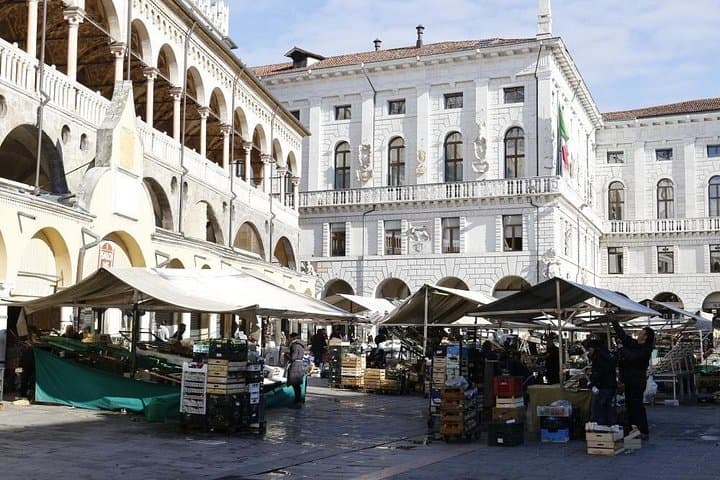
You step out at Piazzale Roma and the city gives a last wink of canals before the road pulls you inland. The driver eases the air-conditioned vehicle onto the autostrada and, after roughly 40 minutes, the medieval stones and cloisters of Padua rise into view—church bells cutting through the hum of traffic.
You step out at Piazzale Roma and the city gives a last wink of canals before the road pulls you inland. The driver eases the air-conditioned vehicle onto the autostrada and, after roughly 40 minutes, the medieval stones and cloisters of Padua rise into view—church bells cutting through the hum of traffic.
Padua is a compact archive of northern Italy: a university founded in 1222, Giotto’s Scrovegni Chapel frescoes, the Basilica of St. Anthony and Europe’s earliest university botanic garden (1545), a UNESCO-listed site. Heading back toward Venice, the Brenta waterway threads historic villas and manicured parks—Villa Pisani’s 18th-century façade and famed maze among them—built as country estates for Venetian nobility once traveling by boat along the river.
Expect cultural depth and easy walking: reserved time in Padua for the cathedral quarter, possible pre-booked access to Scrovegni (tickets sold separately), a coffee stop in a riverside town, and a guided visit to Villa Pisani. The route is mostly by car with short walks over cobbled streets and estate grounds; uneven surfaces and occasional stairs are typical.
Practical edge: bring comfortable shoes, a valid ticket for Scrovegni if you plan to enter, and a dress that covers shoulders and knees for basilica visits. Start early to avoid traffic and heat in summer; the driver-guide model concentrates moving time so you maximize sights without logistics stress. Parking fees and private transport are included—what remains is to choose which rooms, gardens, and viewpoints you’ll linger at on this one-day sweep of mainland Venetian history.