THE ADVENTURE COLLECTIVE® · Independent discovery and booking for outdoor travel

A private, three-day island-hopping expedition from El Nido to Coron traverses some of Palawan’s clearest water, secluded sandbars, and intact coral reefs. Expect guided snorkel stops, simple beach-hut nights, and a travel pace ruled by tides and light.
A private, three-day island-hopping expedition from El Nido to Coron traverses some of Palawan’s clearest water, secluded sandbars, and intact coral reefs. Expect guided snorkel stops, simple beach-hut nights, and a travel pace ruled by tides and light.
Dawn breaks over Bacuit Bay; limestone teeth rise from glassy water and your private boat slips past sleeping islets. The first breath of salt and reef is immediate — coral gardens, a narrow sandbar revealed by the tide, and a beach hut where you drop your pack and trade city noise for stars.
Verified experiences and guided adventures in the surrounding area.
Operated by El Nido Adventure Tours · El Nido, Palawan
Dawn breaks over Bacuit Bay; limestone teeth rise from glassy water and your private boat slips past sleeping islets. The first breath of salt and reef is immediate — coral gardens, a narrow sandbar revealed by the tide, and a beach hut where you drop your pack and trade city noise for stars.
This route threads through Linapacan and the Culion-Coron corridor, a stretch of Palawan shaped by uplifted coral limestone and millennia of wave carving. Spanish and American eras left coastal settlements and scattered artifacts, while local communities — including Tagbanua and Cuyonon peoples — maintain fishing traditions and boatcraft that shape island life today.
Expect long, calm crossings between islands, short guided snorkel stops over high-visibility reefs, and low-key cultural exchanges when visiting villages. Nights are spent ashore in simple beach huts; days are paced around tides and snorkel windows. The geology rewards with sheer cliffs, hidden lagoons, and sandbars that appear like white ribbons at low tide.
Practical guidance: travel in the dry season (November–May) for the calmest seas and best visibility; bring reef-safe sunscreen, a good-fitting mask, light protection for midday sun, and motion-sickness remedies if you’re prone to queasiness. Footwear should be slip-resistant for wet boats and rocky shorelines. Hydrate between snorkeling sessions and respect marked marine zones when diving or snorkeling — many sites are shallow and fragile. A private expedition offers flexibility; confirm pickup logistics, dietary needs, and emergency plans before departure.
Yes — the expedition includes full-board meals as listed and use of snorkeling equipment; confirm any dietary restrictions in advance.
The trip is family-friendly but non-swimmers should wear life vests provided during boat transfers and snorkeling stops; supervision is required.
Crossings are generally calm in the dry season; monsoon months (June–October) can bring choppier seas and occasional cancellations for safety.
Overnight stays are in beach huts with mattresses and basic sleeping accessories; facilities are rustic and focus on outdoor island living.
El Nido Adventure Tours operates guided outdoor trips and adventures with an emphasis on safety, stewardship, and memorable experiences.
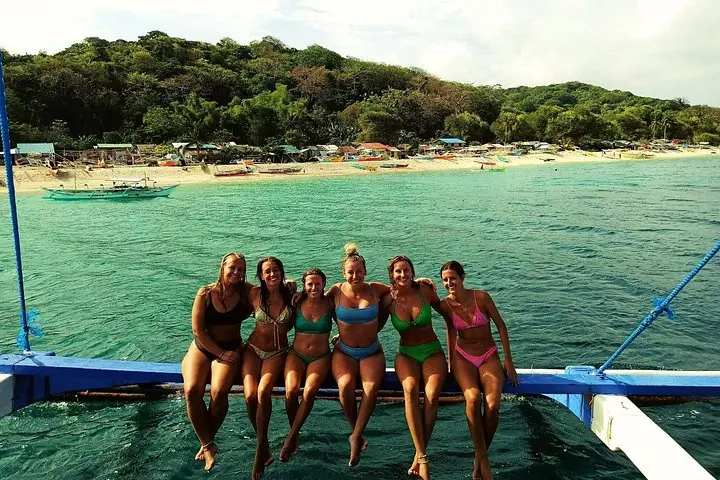
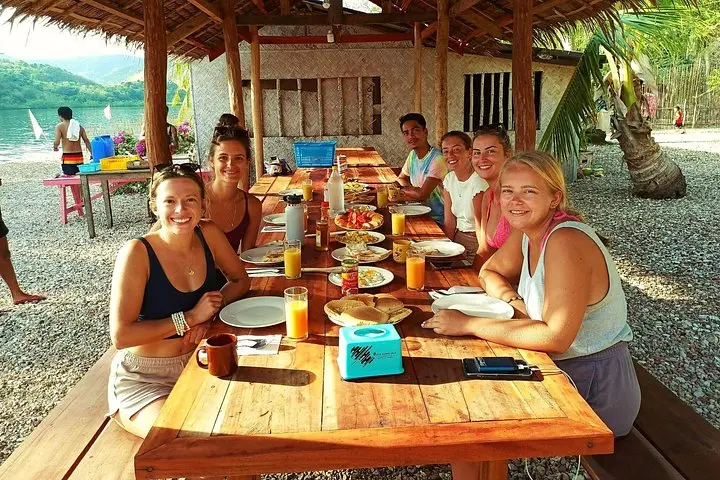

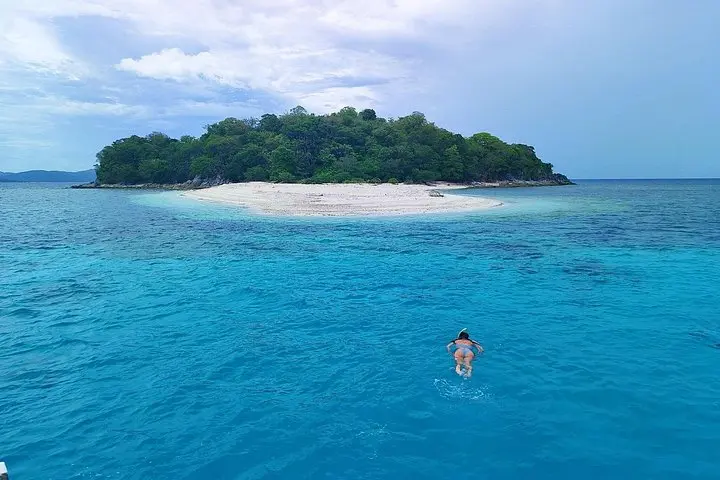
Dawn breaks over Bacuit Bay; limestone teeth rise from glassy water and your private boat slips past sleeping islets. The first breath of salt and reef is immediate — coral gardens, a narrow sandbar revealed by the tide, and a beach hut where you drop your pack and trade city noise for stars.
Dawn breaks over Bacuit Bay; limestone teeth rise from glassy water and your private boat slips past sleeping islets. The first breath of salt and reef is immediate — coral gardens, a narrow sandbar revealed by the tide, and a beach hut where you drop your pack and trade city noise for stars.
This route threads through Linapacan and the Culion-Coron corridor, a stretch of Palawan shaped by uplifted coral limestone and millennia of wave carving. Spanish and American eras left coastal settlements and scattered artifacts, while local communities — including Tagbanua and Cuyonon peoples — maintain fishing traditions and boatcraft that shape island life today.
Expect long, calm crossings between islands, short guided snorkel stops over high-visibility reefs, and low-key cultural exchanges when visiting villages. Nights are spent ashore in simple beach huts; days are paced around tides and snorkel windows. The geology rewards with sheer cliffs, hidden lagoons, and sandbars that appear like white ribbons at low tide.
Practical guidance: travel in the dry season (November–May) for the calmest seas and best visibility; bring reef-safe sunscreen, a good-fitting mask, light protection for midday sun, and motion-sickness remedies if you’re prone to queasiness. Footwear should be slip-resistant for wet boats and rocky shorelines. Hydrate between snorkeling sessions and respect marked marine zones when diving or snorkeling — many sites are shallow and fragile. A private expedition offers flexibility; confirm pickup logistics, dietary needs, and emergency plans before departure.