THE ADVENTURE COLLECTIVE® · Independent discovery and booking for outdoor travel

Spend a private day in Paro Valley: visit Kyichu Lhakhang, climb toward Taktsang (Tiger’s Nest), explore Ta Dzong museum and Rinpung Dzong with private transport and guide. A compact cultural and hill-walk experience with huge Himalayan views.
Spend a private day in Paro Valley: visit Kyichu Lhakhang, climb toward Taktsang (Tiger’s Nest), explore Ta Dzong museum and Rinpung Dzong with private transport and guide. A compact cultural and hill-walk experience with huge Himalayan views.
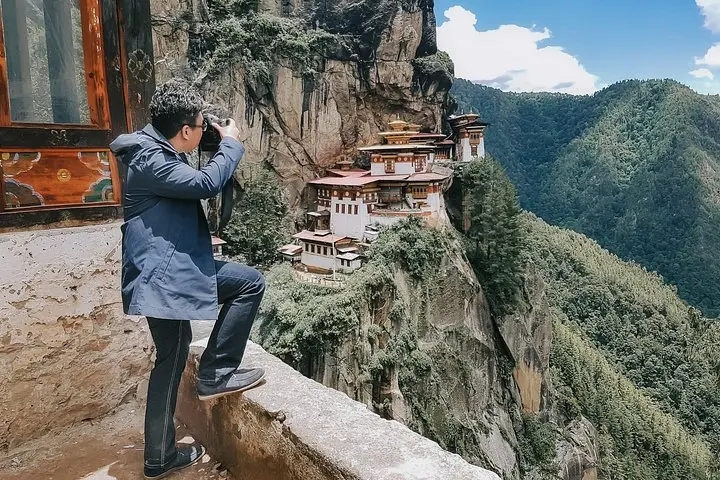
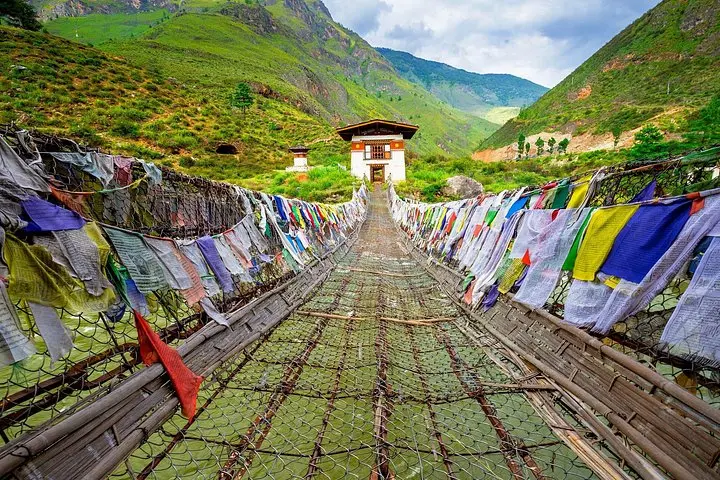
A cool morning wind pushes prayer flags on the approach road as your private car climbs into Paro Valley, the Himalaya folding up around you. The day opens with Kyichu Lhakhang’s low stone walls and the distant clatter of ritual bells, then tightens to a pulse as the trail to Taktsang — Tiger’s Nest — rises above a ribbon of forested gorge.
Verified experiences and guided adventures in the surrounding area.
Operated by Opatrip.com Bhutan · Paro, Paro District
A cool morning wind pushes prayer flags on the approach road as your private car climbs into Paro Valley, the Himalaya folding up around you. The day opens with Kyichu Lhakhang’s low stone walls and the distant clatter of ritual bells, then tightens to a pulse as the trail to Taktsang — Tiger’s Nest — rises above a ribbon of forested gorge.
Paro’s landscape is geologically young: steep glacially carved valleys, fractured schist ridges and terraces clinging to riverbanks. The area’s cultural timeline is long — Kyichu Lhakhang predates many modern states, Taktsang anchors 8th-century tales of Guru Rinpoche, and Rinpung Dzong consolidates 17th-century fortress-monastic authority. Local life still orients around dzongs, seasonal agriculture and crafts; the Paro National Museum (Ta Dzong) preserves painted thangkas, weapons and royal regalia.
Practically, this private full-day itinerary packs short temple visits, a museum stop, a photo pause at Nyamai Zam bridge and an ascent to Taktsang’s viewpoint. The Taktsang approach is a strenuous walk up roughly 900 meters of cliff face in vertical context (the monastery perches ~900m above the valley floor), but the main visitor trail is well-worn with switchbacks and teahouse rests.
Plan for altitude, sun and sudden weather shifts: layered clothing, steady hydration and sturdy footwear matter more than peak fitness. Respect monastic rules at sacred sites (quiet, modest dress, no touching altars) and leave no trace on fragile alpine slopes. With a private guide and transport, you control the pace — arrive early to feel the place before the crowds and let the valley’s silence fill the spaces between prayer wheels.
The trail from the parking/tea-house area to the viewpoint usually takes 1.5–3 hours round-trip depending on pace and fitness; allow more time for breaks and photos.
This private tour lists all entrance fees as included, so museum and dzong admissions are covered in the booking price.
Yes with caveats—short temple strolls are easy, but the Taktsang approach involves sustained uphill walking; consider a slower pace, frequent rests, or remaining at lower viewpoints.
All international visitors to Bhutan require a visa and must book through a licensed operator; this tour’s operator typically handles entrance logistics, but confirm visa and permit requirements when booking.
Opatrip.com Bhutan operates guided outdoor trips and adventures with an emphasis on safety, stewardship, and memorable experiences.
A cool morning wind pushes prayer flags on the approach road as your private car climbs into Paro Valley, the Himalaya folding up around you. The day opens with Kyichu Lhakhang’s low stone walls and the distant clatter of ritual bells, then tightens to a pulse as the trail to Taktsang — Tiger’s Nest — rises above a ribbon of forested gorge.
A cool morning wind pushes prayer flags on the approach road as your private car climbs into Paro Valley, the Himalaya folding up around you. The day opens with Kyichu Lhakhang’s low stone walls and the distant clatter of ritual bells, then tightens to a pulse as the trail to Taktsang — Tiger’s Nest — rises above a ribbon of forested gorge.
Paro’s landscape is geologically young: steep glacially carved valleys, fractured schist ridges and terraces clinging to riverbanks. The area’s cultural timeline is long — Kyichu Lhakhang predates many modern states, Taktsang anchors 8th-century tales of Guru Rinpoche, and Rinpung Dzong consolidates 17th-century fortress-monastic authority. Local life still orients around dzongs, seasonal agriculture and crafts; the Paro National Museum (Ta Dzong) preserves painted thangkas, weapons and royal regalia.
Practically, this private full-day itinerary packs short temple visits, a museum stop, a photo pause at Nyamai Zam bridge and an ascent to Taktsang’s viewpoint. The Taktsang approach is a strenuous walk up roughly 900 meters of cliff face in vertical context (the monastery perches ~900m above the valley floor), but the main visitor trail is well-worn with switchbacks and teahouse rests.
Plan for altitude, sun and sudden weather shifts: layered clothing, steady hydration and sturdy footwear matter more than peak fitness. Respect monastic rules at sacred sites (quiet, modest dress, no touching altars) and leave no trace on fragile alpine slopes. With a private guide and transport, you control the pace — arrive early to feel the place before the crowds and let the valley’s silence fill the spaces between prayer wheels.