THE ADVENTURE COLLECTIVE® · Independent discovery and booking for outdoor travel

Explore Penglipuran’s uniform village houses, walk a peaceful bamboo grove, and take in Mt Batur’s caldera views—then cleanse at Tirta Empul. This private day tour from Ubud pairs cultural insight with easy walking and Kintamani vistas.
Explore Penglipuran’s uniform village houses, walk a peaceful bamboo grove, and take in Mt Batur’s caldera views—then cleanse at Tirta Empul. This private day tour from Ubud pairs cultural insight with easy walking and Kintamani vistas.
A cool mist lifts off the rice paddies as the minivan eases up a narrow lane and Penglipuran’s stone gateways come into view. The village breathes order: thatched roofs and bamboo fences aligned, footprints of a community that has preserved a single architectural idea for generations. From designated vantage points Mt Batur looms across the Kintamani caldera, its slopes still warm with volcanic memory, while a nearby bamboo grove rustles like a quiet audience.
Verified experiences and guided adventures in the surrounding area.
Operated by Master Bali Tour · Ubud, Bali
A cool mist lifts off the rice paddies as the minivan eases up a narrow lane and Penglipuran’s stone gateways come into view. The village breathes order: thatched roofs and bamboo fences aligned, footprints of a community that has preserved a single architectural idea for generations. From designated vantage points Mt Batur looms across the Kintamani caldera, its slopes still warm with volcanic memory, while a nearby bamboo grove rustles like a quiet audience.
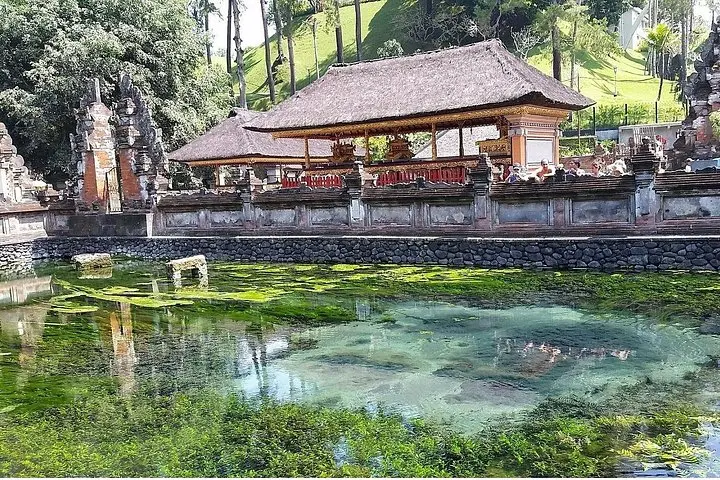
Penglipuran’s layout reflects Bali’s village law and the subak irrigation logic—public water shared, terraces shaped, and homes oriented toward ritual space. A short drive away, Tirta Empul’s fountain pools carry a long Hindu tradition of melukat, the cleansing ritual that dates back to the 10th–11th century. Geologically, Mt Batur sits in a larger caldera system; the lake and steaming vents are reminders that landscape here is young and active. Tegallalang’s carved rice terraces demonstrate the subak system in practice, and local stalls offer kopi and small bites that root the visit in daily life.
Practical guidance: expect 8–10 hours of light walking and stops; bring modest clothing for temple visits and sturdy shoes for uneven village lanes. Mornings are cooler and less crowded; late afternoon softens the light on Mt Batur. Keep small bills for donations and purchases, drink plenty of water at altitude, and follow your guide during purification rites. Respect private compounds, stick to paths in the rice fields, and allow time for a relaxed coffee stop with Kintamani views—this is cultural travel paced by human rhythms and the steady presence of the mountain.
The private tour runs about 8–10 hours, typically including hotel pickup and drop-off from Ubud.
Yes—guests may join the melukat ritual with guidance from the local priests and your guide; bring a spare change of clothes and modest attire.
Yes—physical demands are low with short, easy walks, but there are steps and uneven terrain; notify the operator of mobility concerns.
The tour listing includes entrance tickets/donations, but bring cash for optional purchases, tips, and local stalls.
Master Bali Tour operates guided outdoor trips and adventures with an emphasis on safety, stewardship, and memorable experiences.
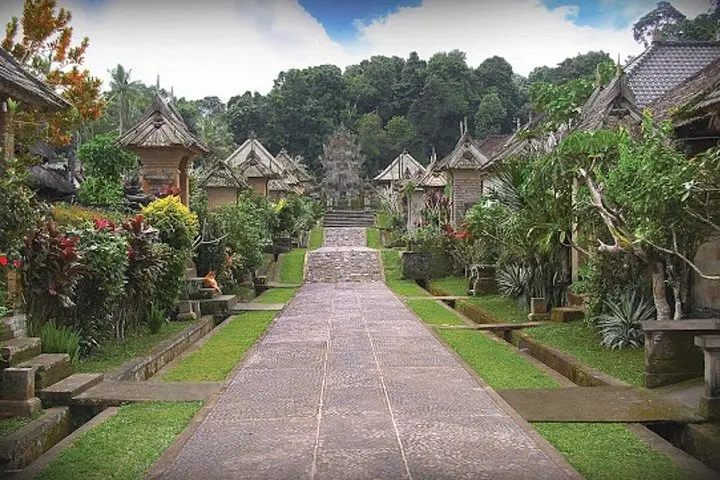
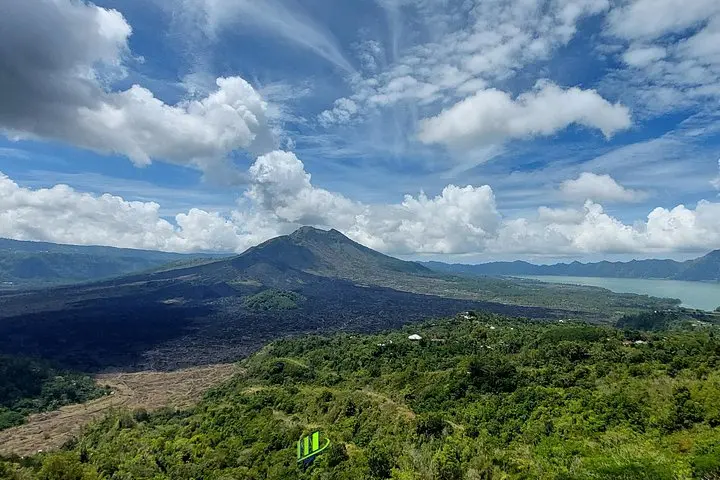
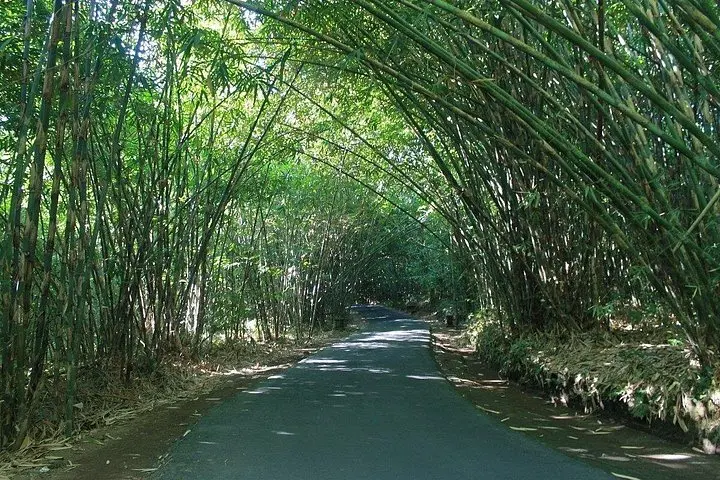
A cool mist lifts off the rice paddies as the minivan eases up a narrow lane and Penglipuran’s stone gateways come into view. The village breathes order: thatched roofs and bamboo fences aligned, footprints of a community that has preserved a single architectural idea for generations. From designated vantage points Mt Batur looms across the Kintamani caldera, its slopes still warm with volcanic memory, while a nearby bamboo grove rustles like a quiet audience.
A cool mist lifts off the rice paddies as the minivan eases up a narrow lane and Penglipuran’s stone gateways come into view. The village breathes order: thatched roofs and bamboo fences aligned, footprints of a community that has preserved a single architectural idea for generations. From designated vantage points Mt Batur looms across the Kintamani caldera, its slopes still warm with volcanic memory, while a nearby bamboo grove rustles like a quiet audience.
Penglipuran’s layout reflects Bali’s village law and the subak irrigation logic—public water shared, terraces shaped, and homes oriented toward ritual space. A short drive away, Tirta Empul’s fountain pools carry a long Hindu tradition of melukat, the cleansing ritual that dates back to the 10th–11th century. Geologically, Mt Batur sits in a larger caldera system; the lake and steaming vents are reminders that landscape here is young and active. Tegallalang’s carved rice terraces demonstrate the subak system in practice, and local stalls offer kopi and small bites that root the visit in daily life.
Practical guidance: expect 8–10 hours of light walking and stops; bring modest clothing for temple visits and sturdy shoes for uneven village lanes. Mornings are cooler and less crowded; late afternoon softens the light on Mt Batur. Keep small bills for donations and purchases, drink plenty of water at altitude, and follow your guide during purification rites. Respect private compounds, stick to paths in the rice fields, and allow time for a relaxed coffee stop with Kintamani views—this is cultural travel paced by human rhythms and the steady presence of the mountain.