THE ADVENTURE COLLECTIVE® · Independent discovery and booking for outdoor travel

A private day trip from Wadi Rum delivers Petra’s rose‑red facades, the Siq’s narrow drama, and quieter Little Petra in a single day. Expect guided archaeology, steep steps to clifftop viewpoints, and practical tips for timing, water, and tickets.
A private day trip from Wadi Rum delivers Petra’s rose‑red facades, the Siq’s narrow drama, and quieter Little Petra in a single day. Expect guided archaeology, steep steps to clifftop viewpoints, and practical tips for timing, water, and tickets.
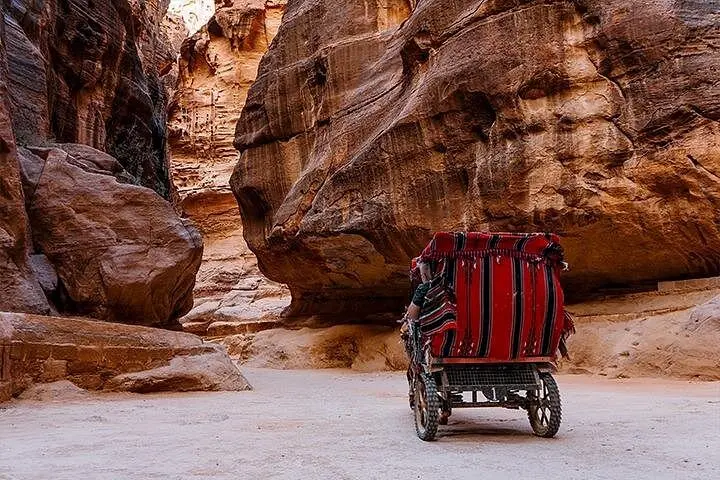
You step out of the air‑conditioned vehicle and the desert exhales: wind carrying grit, heat, and a distant line of carved facades cut into rose sandstone. The drive from Wadi Rum slices across ochre plains, and when the Siq’s slot canyon pulls tight around you, the Treasury appears with the suddenness of a stage cue — a carved mouth opening onto ancient commerce and ceremony.
Verified experiences and guided adventures in the surrounding area.
Operated by Zaid Tours and Travel · Wadi Musa, Ma'an Governorate
You step out of the air‑conditioned vehicle and the desert exhales: wind carrying grit, heat, and a distant line of carved facades cut into rose sandstone. The drive from Wadi Rum slices across ochre plains, and when the Siq’s slot canyon pulls tight around you, the Treasury appears with the suddenness of a stage cue — a carved mouth opening onto ancient commerce and ceremony.
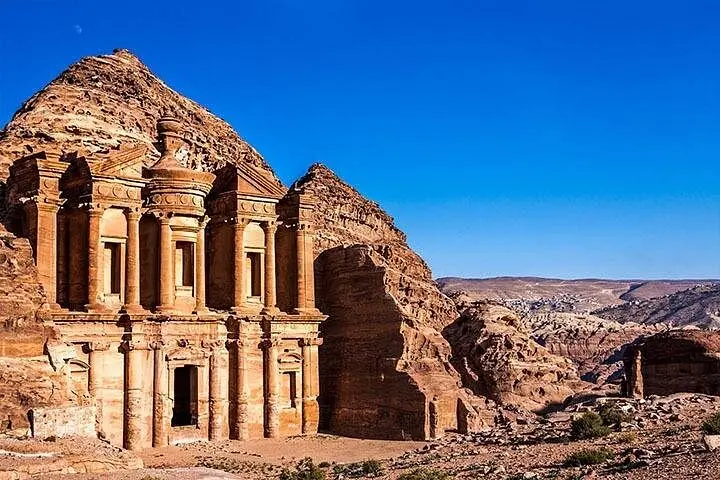
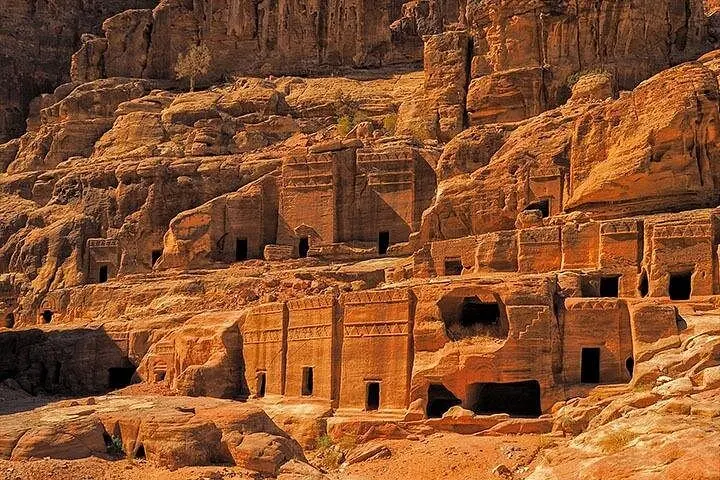
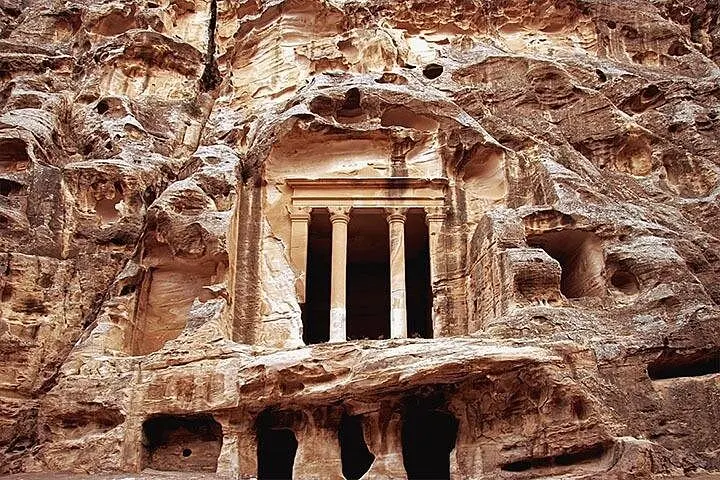
Petra was a Nabatean crossroads two millennia ago, where sandstone chemistry and water‑harvesting engineering shaped a city into rock. The Siq is a natural fault the Nabateans widened and paved; the Treasury (Al‑Khazneh) and Royal Tombs show a blend of Hellenistic ornament and desert pragmatism. Little Petra (Siq al‑Barid) served as a caravan suburb and has quieter facades and painted chamber remnants.
Expect compact walking: 1.2 km through the Siq, broad plazas, and uneven stone steps to the Monastery or High Place of Sacrifice if you opt to climb. The light sculpts the sandstone through the day — soft in morning, flat at noon, golden toward late afternoon — so timing changes both temperature and photography.
Practical notes: start early to avoid midday heat and crowds, carry at least 2 liters of water, and wear grippy walking shoes; a Jordan Pass can cover entrance fees if bought in advance. Guided visits make the archaeology and water‑management systems come alive; Bedouin guides and local drivers provide practical route knowledge and quick access to Little Petra. Respect fragile carvings, stay on marked paths, and budget time for the museum if included — Petra rewards both curiosity and patience.
You can buy tickets at Petra, but the Jordan Pass (purchased before arrival) covers entrance and saves time; inform your operator if you already have one.
Children generally do well, but there is a fair amount of walking; visitors with mobility issues should contact the operator in advance about golf cart options and accessible routes.
The guided portion is about two hours with additional free time; total time inside can be 3–4 hours depending on how much you explore and whether you climb to the Monastery.
Short horse rides are available before the Siq and local horse/cart services exist, but they may be limited and are subject to animal welfare concerns — walk if possible for the best experience.
Zaid Tours and Travel operates guided outdoor trips and adventures with an emphasis on safety, stewardship, and memorable experiences.
You step out of the air‑conditioned vehicle and the desert exhales: wind carrying grit, heat, and a distant line of carved facades cut into rose sandstone. The drive from Wadi Rum slices across ochre plains, and when the Siq’s slot canyon pulls tight around you, the Treasury appears with the suddenness of a stage cue — a carved mouth opening onto ancient commerce and ceremony.
You step out of the air‑conditioned vehicle and the desert exhales: wind carrying grit, heat, and a distant line of carved facades cut into rose sandstone. The drive from Wadi Rum slices across ochre plains, and when the Siq’s slot canyon pulls tight around you, the Treasury appears with the suddenness of a stage cue — a carved mouth opening onto ancient commerce and ceremony.
Petra was a Nabatean crossroads two millennia ago, where sandstone chemistry and water‑harvesting engineering shaped a city into rock. The Siq is a natural fault the Nabateans widened and paved; the Treasury (Al‑Khazneh) and Royal Tombs show a blend of Hellenistic ornament and desert pragmatism. Little Petra (Siq al‑Barid) served as a caravan suburb and has quieter facades and painted chamber remnants.
Expect compact walking: 1.2 km through the Siq, broad plazas, and uneven stone steps to the Monastery or High Place of Sacrifice if you opt to climb. The light sculpts the sandstone through the day — soft in morning, flat at noon, golden toward late afternoon — so timing changes both temperature and photography.
Practical notes: start early to avoid midday heat and crowds, carry at least 2 liters of water, and wear grippy walking shoes; a Jordan Pass can cover entrance fees if bought in advance. Guided visits make the archaeology and water‑management systems come alive; Bedouin guides and local drivers provide practical route knowledge and quick access to Little Petra. Respect fragile carvings, stay on marked paths, and budget time for the museum if included — Petra rewards both curiosity and patience.