THE ADVENTURE COLLECTIVE® · Independent discovery and booking for outdoor travel
Cross the Nile by motorboat to stroll the rescued colonnades of Philae, then stand above the immense Aswan High Dam that remade the valley. This half‑day private tour balances archaeology, engineering, and river views with intimate local insight.
Cross the Nile by motorboat to stroll the rescued colonnades of Philae, then stand above the immense Aswan High Dam that remade the valley. This half‑day private tour balances archaeology, engineering, and river views with intimate local insight.
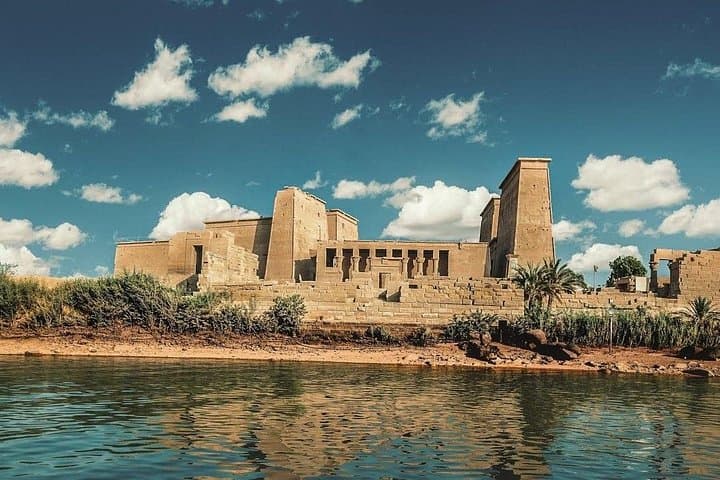
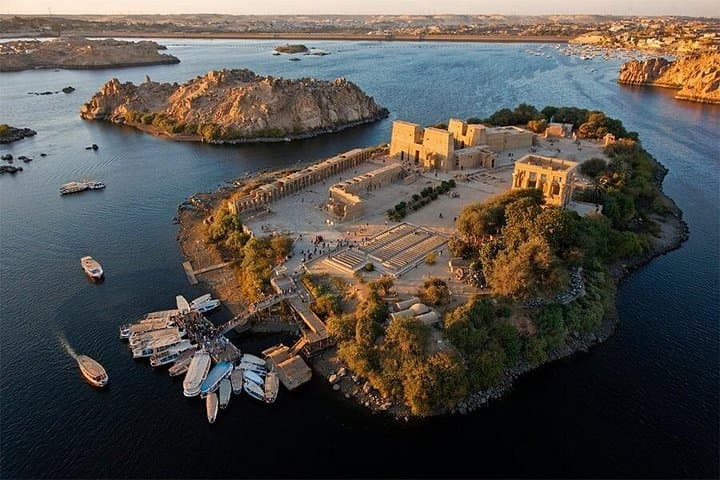
You step off the shaded quay in Aswan and the Nile breathes a dry, warm gust against your face; a motorboat hums, ready to ferry you across glassy water toward an island that once dared the river itself. The Temple of Philae rises from Agilkia’s stone like an artifact that refused to stay submerged — columns and carved reliefs still catching the sun.
Verified experiences and guided adventures in the surrounding area.
Operated by Egypt Private Trips · Aswan, Aswan Governorate
You step off the shaded quay in Aswan and the Nile breathes a dry, warm gust against your face; a motorboat hums, ready to ferry you across glassy water toward an island that once dared the river itself. The Temple of Philae rises from Agilkia’s stone like an artifact that refused to stay submerged — columns and carved reliefs still catching the sun.
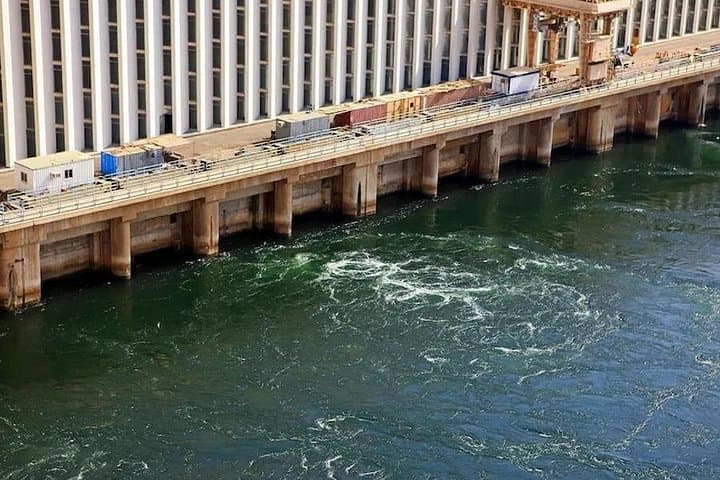
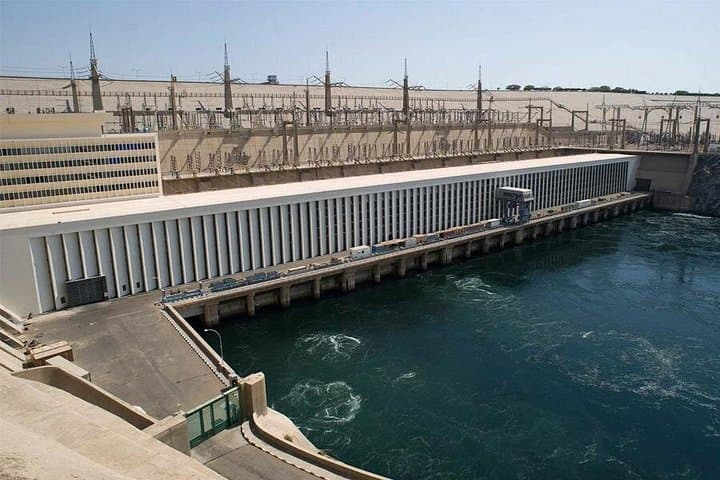
The tour pairs two contrasting feats: the modern Aswan High Dam, a 20th‑century engineering leviathan that reshaped Egypt’s hydrology and agricultural map, and Philae, a Ptolemaic-to-Roman temple complex dedicated to Isis that was carefully dismantled and moved during the UNESCO rescue in the 1960s to save it from the rising Nile.
Geology here is simple and stark: Nubian sandstone and granite outcrops frame the river, while the dam controls a flow that for millennia sculpted the valley’s soil and settlements. Local culture remains river‑centric — fishermen, feluccas and temple rituals all orbit the Nile’s pace.
Practical guidance: expect easy walking with some stepped entrances and short boat transfers; allow roughly four hours, including transport. Mornings are cooler and best for photography; midday sun is strong. Bring sunscreen, a brimmed hat, and comfortable shoes with grip for temple steps. Water is provided on most private tours, but carry a refillable bottle. Wear respectful clothing for sacred sites (shoulders and knees covered). If you want deeper context, request an Egyptologist guide on booking — their commentary makes the contrast between ancient ritual and modern infrastructure tangible.
This private half‑day tour is approximately four hours and includes the Aswan High Dam followed by a motorboat transfer to Philae Temple with guided exploration of the complex.
The island has steps and uneven stone surfaces; boat boarding can require stepping up or down. Travelers with limited mobility should check specifics with the operator and request assistance when booking.
Yes, photography is generally allowed, but avoid flash on delicate reliefs and follow any restrictions your guide indicates.
Egypt Private Trips operates guided outdoor trips and adventures with an emphasis on safety, stewardship, and memorable experiences.
You step off the shaded quay in Aswan and the Nile breathes a dry, warm gust against your face; a motorboat hums, ready to ferry you across glassy water toward an island that once dared the river itself. The Temple of Philae rises from Agilkia’s stone like an artifact that refused to stay submerged — columns and carved reliefs still catching the sun.
You step off the shaded quay in Aswan and the Nile breathes a dry, warm gust against your face; a motorboat hums, ready to ferry you across glassy water toward an island that once dared the river itself. The Temple of Philae rises from Agilkia’s stone like an artifact that refused to stay submerged — columns and carved reliefs still catching the sun.
The tour pairs two contrasting feats: the modern Aswan High Dam, a 20th‑century engineering leviathan that reshaped Egypt’s hydrology and agricultural map, and Philae, a Ptolemaic-to-Roman temple complex dedicated to Isis that was carefully dismantled and moved during the UNESCO rescue in the 1960s to save it from the rising Nile.
Geology here is simple and stark: Nubian sandstone and granite outcrops frame the river, while the dam controls a flow that for millennia sculpted the valley’s soil and settlements. Local culture remains river‑centric — fishermen, feluccas and temple rituals all orbit the Nile’s pace.
Practical guidance: expect easy walking with some stepped entrances and short boat transfers; allow roughly four hours, including transport. Mornings are cooler and best for photography; midday sun is strong. Bring sunscreen, a brimmed hat, and comfortable shoes with grip for temple steps. Water is provided on most private tours, but carry a refillable bottle. Wear respectful clothing for sacred sites (shoulders and knees covered). If you want deeper context, request an Egyptologist guide on booking — their commentary makes the contrast between ancient ritual and modern infrastructure tangible.
