THE ADVENTURE COLLECTIVE® · Independent discovery and booking for outdoor travel

A private, two‑hour guided visit to Tenikwa near Plettenberg Bay focused on photographing indigenous wild cats. Ideal for photographers and wildlife lovers, the tour balances close observation with conservation-minded access.
A private, two‑hour guided visit to Tenikwa near Plettenberg Bay focused on photographing indigenous wild cats. Ideal for photographers and wildlife lovers, the tour balances close observation with conservation-minded access.
You step from the car into a dry, scrub-scented air and the low hills of the Garden Route rise like a slow wave around you. The guide walks ahead and the cats—alert, unhurried—watch from sunlit ledges and shaded enclosures; their eyes track the group with calm curiosity, giving photographers time to compose frames.
Verified experiences and guided adventures in the surrounding area.
Operated by Tenikwa Wildlife Rehabilitation and Awareness NPC · Plettenberg Bay, Western Cape
You step from the car into a dry, scrub-scented air and the low hills of the Garden Route rise like a slow wave around you. The guide walks ahead and the cats—alert, unhurried—watch from sunlit ledges and shaded enclosures; their eyes track the group with calm curiosity, giving photographers time to compose frames.
Tenikwa sits on the eastern edge of Plettenberg Bay, where fynbos-clad slopes and sandstone outcrops reflect the region’s coastal geology. The facility combines animal rehabilitation and public education, offering a close look at indigenous small to medium-sized wild cats and the conservation work that supports them. Local culture here is shaped by ecotourism—visitors, rehabilitation staff and researchers intersect in a community focused on protecting species unique to the Cape Floristic Region.
The tour is private and relaxed: a two-hour guided visit that prioritizes observation and photography over rapid movement. Expect well-maintained paths, accessible viewing platforms, and clear rules (no touching). Light in the late afternoon softens the landscape; mornings bring cooler temperatures and more active animals.
Practical guidance: bring a telephoto lens (200–400mm preferred), a neutral-colored jacket for blending in, and a collapsible water bottle. Wear low-heeled, grippy shoes for uneven surfaces and sun protection year-round. The experience suits most fitness levels and is wheelchair accessible, but always confirm special needs when booking. Respect the animals’ space—good wildlife photos come from patience and steady technique, not proximity.
Yes, children are welcome but under-18s must be accompanied by a parent; follow guide instructions for safety.
No—Tenikwa prohibits touching to protect both visitors and animals; handlers may demonstrate from a safe distance.
Yes, the facility reports wheelchair-accessible paths and viewing areas, but notify the operator of needs when booking.
This specific tour is sold as all sales final; check booking terms carefully before purchase.
Tenikwa Wildlife Rehabilitation and Awareness NPC operates guided outdoor trips and adventures with an emphasis on safety, stewardship, and memorable experiences.
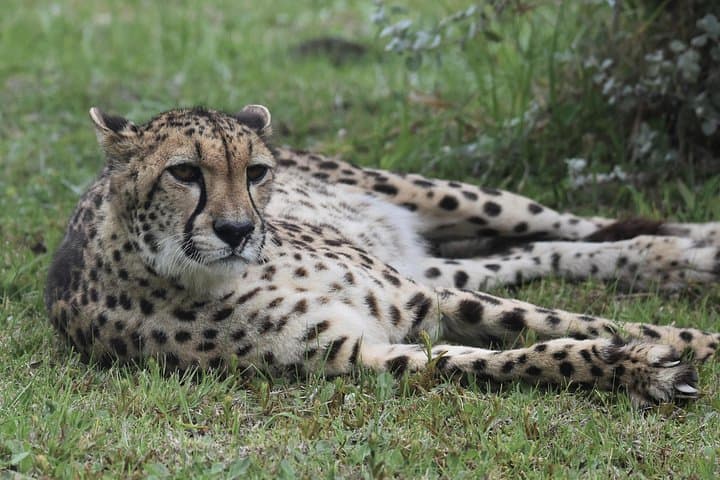


You step from the car into a dry, scrub-scented air and the low hills of the Garden Route rise like a slow wave around you. The guide walks ahead and the cats—alert, unhurried—watch from sunlit ledges and shaded enclosures; their eyes track the group with calm curiosity, giving photographers time to compose frames.
You step from the car into a dry, scrub-scented air and the low hills of the Garden Route rise like a slow wave around you. The guide walks ahead and the cats—alert, unhurried—watch from sunlit ledges and shaded enclosures; their eyes track the group with calm curiosity, giving photographers time to compose frames.
Tenikwa sits on the eastern edge of Plettenberg Bay, where fynbos-clad slopes and sandstone outcrops reflect the region’s coastal geology. The facility combines animal rehabilitation and public education, offering a close look at indigenous small to medium-sized wild cats and the conservation work that supports them. Local culture here is shaped by ecotourism—visitors, rehabilitation staff and researchers intersect in a community focused on protecting species unique to the Cape Floristic Region.
The tour is private and relaxed: a two-hour guided visit that prioritizes observation and photography over rapid movement. Expect well-maintained paths, accessible viewing platforms, and clear rules (no touching). Light in the late afternoon softens the landscape; mornings bring cooler temperatures and more active animals.
Practical guidance: bring a telephoto lens (200–400mm preferred), a neutral-colored jacket for blending in, and a collapsible water bottle. Wear low-heeled, grippy shoes for uneven surfaces and sun protection year-round. The experience suits most fitness levels and is wheelchair accessible, but always confirm special needs when booking. Respect the animals’ space—good wildlife photos come from patience and steady technique, not proximity.