THE ADVENTURE COLLECTIVE® · Independent discovery and booking for outdoor travel

Take a private closed-vehicle drive through Pilanesberg National Park to search for the Big Five across volcanic hills and wide pans. This guided, air‑conditioned safari pairs close wildlife encounters with accessible, all‑ages comfort.
Take a private closed-vehicle drive through Pilanesberg National Park to search for the Big Five across volcanic hills and wide pans. This guided, air‑conditioned safari pairs close wildlife encounters with accessible, all‑ages comfort.
You slide into an air‑conditioned vehicle and the park opens like a map of low ridges and grassy bowls—rocky koppies rising from wide savanna, waterholes that catch light like quicksilver. The guide eases the jeep onto a track; the engine hums, binoculars come up, and the landscape starts to reveal itself: zebra patterns, a distant elephant silhouette, a pair of waterbucks watching from reed edges.
Verified experiences and guided adventures in the surrounding area.
Operated by Motleys Tours and Travel · Sun City, North West
You slide into an air‑conditioned vehicle and the park opens like a map of low ridges and grassy bowls—rocky koppies rising from wide savanna, waterholes that catch light like quicksilver. The guide eases the jeep onto a track; the engine hums, binoculars come up, and the landscape starts to reveal itself: zebra patterns, a distant elephant silhouette, a pair of waterbucks watching from reed edges.
Pilanesberg National Park sits within an ancient volcanic complex—the ring of hills and rocky outcrops are the weathered remains of deep subterranean geology. The park, developed in the late 20th century near Sun City, was shaped by conservation and wildlife reintroduction programs that brought back many of the species now commonly seen on drives.
Culturally the region carries Tswana heritage; the Pilane name reflects local lineage and the human history that threads through these plains. Today the park is also a vital refuge for birdlife—over 360 species—and the mechanics of the place mean birds and beasts use the same water networks and valleys.
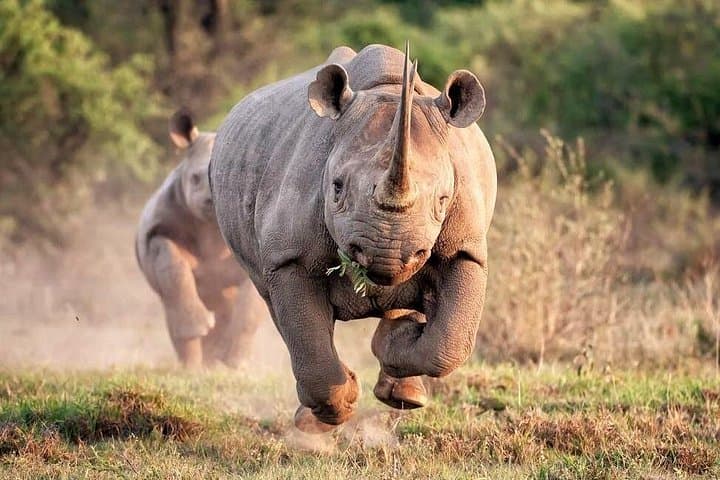
On a private closed‑vehicle drive you get closer with controlled safety: guides know where lions and leopards favor shade, where rhino graze, and which pans attract hippo at dusk. Expect varied terrain—short grasses, seasonal wetlands, gravel tracks—and changing visibility with seasons.
Practical tips: book morning or late‑afternoon departures for peak activity, bring binoculars and a camera with a telephoto lens, layer clothing for cool dawns and hot afternoons, and keep cameras ready at waterholes. The tour usually includes bottled water and lunch; vehicles are wheelchair accessible and suitable for most fitness levels, making it straightforward for families and first‑time safari goers.
Closed vehicles allow safer, closer approaches than open vehicles, but guides maintain distance and follow park rules to avoid disturbing animals.
Yes—vehicles and trails are wheelchair accessible, infants can sit on laps or use provided seats, and the pace suits children and older travelers.
Wear neutral-colored, comfortable clothing in layers, closed-toe shoes for brief exits, and bring sun protection—no bright patterns or loud prints.
Yes—the tour includes bottled water and a provided lunch; notify the operator of dietary restrictions when booking.
Motleys Tours and Travel operates guided outdoor trips and adventures with an emphasis on safety, stewardship, and memorable experiences.
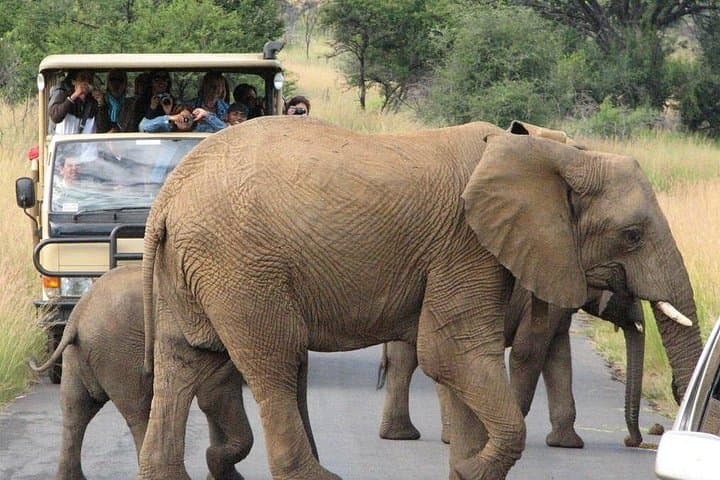

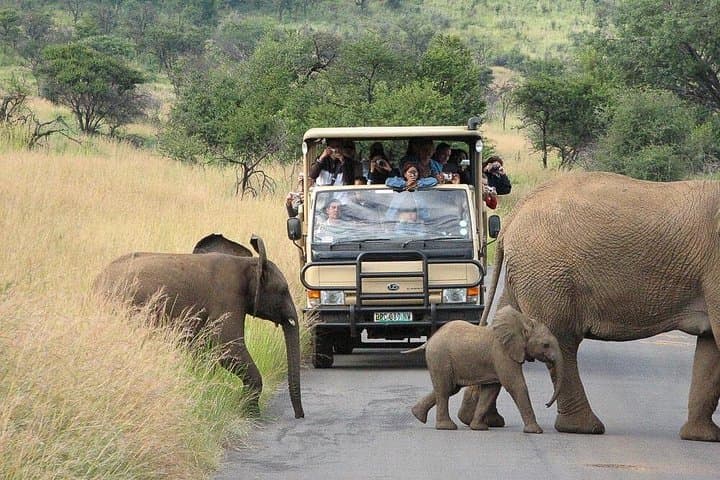
You slide into an air‑conditioned vehicle and the park opens like a map of low ridges and grassy bowls—rocky koppies rising from wide savanna, waterholes that catch light like quicksilver. The guide eases the jeep onto a track; the engine hums, binoculars come up, and the landscape starts to reveal itself: zebra patterns, a distant elephant silhouette, a pair of waterbucks watching from reed edges.
You slide into an air‑conditioned vehicle and the park opens like a map of low ridges and grassy bowls—rocky koppies rising from wide savanna, waterholes that catch light like quicksilver. The guide eases the jeep onto a track; the engine hums, binoculars come up, and the landscape starts to reveal itself: zebra patterns, a distant elephant silhouette, a pair of waterbucks watching from reed edges.
Pilanesberg National Park sits within an ancient volcanic complex—the ring of hills and rocky outcrops are the weathered remains of deep subterranean geology. The park, developed in the late 20th century near Sun City, was shaped by conservation and wildlife reintroduction programs that brought back many of the species now commonly seen on drives.
Culturally the region carries Tswana heritage; the Pilane name reflects local lineage and the human history that threads through these plains. Today the park is also a vital refuge for birdlife—over 360 species—and the mechanics of the place mean birds and beasts use the same water networks and valleys.
On a private closed‑vehicle drive you get closer with controlled safety: guides know where lions and leopards favor shade, where rhino graze, and which pans attract hippo at dusk. Expect varied terrain—short grasses, seasonal wetlands, gravel tracks—and changing visibility with seasons.
Practical tips: book morning or late‑afternoon departures for peak activity, bring binoculars and a camera with a telephoto lens, layer clothing for cool dawns and hot afternoons, and keep cameras ready at waterholes. The tour usually includes bottled water and lunch; vehicles are wheelchair accessible and suitable for most fitness levels, making it straightforward for families and first‑time safari goers.