THE ADVENTURE COLLECTIVE® · Independent discovery and booking for outdoor travel

A short private transfer from Makkah brings you to Masjid Al-Ju'ranah, a key miqat where pilgrims begin ihram. This practical guide explains what to expect—history, local context, and tips to plan your visit smoothly.
A short private transfer from Makkah brings you to Masjid Al-Ju'ranah, a key miqat where pilgrims begin ihram. This practical guide explains what to expect—history, local context, and tips to plan your visit smoothly.
You arrive from Makkah through dust-rolled plains and low, scrubbed hills; the road eases and the mosque appears simple against the sky—white walls, a squat minaret, and a quiet courtyard where pilgrims pause. The air tastes of incense and intention as visitors prepare to enter ihram here, retracing a step the Prophet Muhammad (PBUH) once took.
Verified experiences and guided adventures in the surrounding area.
Operated by TREVOPEDIA · Makkah, Makkah Province
You arrive from Makkah through dust-rolled plains and low, scrubbed hills; the road eases and the mosque appears simple against the sky—white walls, a squat minaret, and a quiet courtyard where pilgrims pause. The air tastes of incense and intention as visitors prepare to enter ihram here, retracing a step the Prophet Muhammad (PBUH) once took.
Masjid Al-Ju'ranah (Al-Jirranah) functions as one of the Islamic miqats: a designated boundary where pilgrims assume the sacred state before Umrah or Hajj. The structure is modest rather than ornate, reflecting centuries of practical devotion rather than monumental architecture. Geologically this area is part of the Hijaz foothills—rocky limestone and red-brown sand shaping low ridges and drainage channels that guide seasonal runoff toward the western plain.
Locals use the mosque as a spiritual waypoint and a social hub; small shops and shaded rest areas cater to travelers. Respectful dress, quiet movement, and an awareness of prayer times shape the rhythm of a visit.
Practical guidance: plan a two- to three-hour window for pickup, prayer, and returns to Makkah; traffic can be heavy, especially during Ramadan and Hajj seasons, so allow extra time. Wear lightweight, conservative clothing suitable for prayer and heat, carry water, and keep travel documents accessible if on a private tour. The site is wheelchair-friendly and short on rugged terrain—this is a contemplative stop rather than a strenuous outing, best done with an eye toward etiquette and timing.
No—this specific pilgrimage tour is intended for Muslim participants only, in line with site policy and local practice.
Yes—private, air-conditioned transport with onboard Wi‑Fi and bottled water is included in the booking.
Yes—the mosque and transport options are wheelchair accessible and the visit involves minimal walking.
Full refund available if canceled at least 24 hours before departure; no refund within 24 hours of the scheduled time.
TREVOPEDIA operates guided outdoor trips and adventures with an emphasis on safety, stewardship, and memorable experiences.


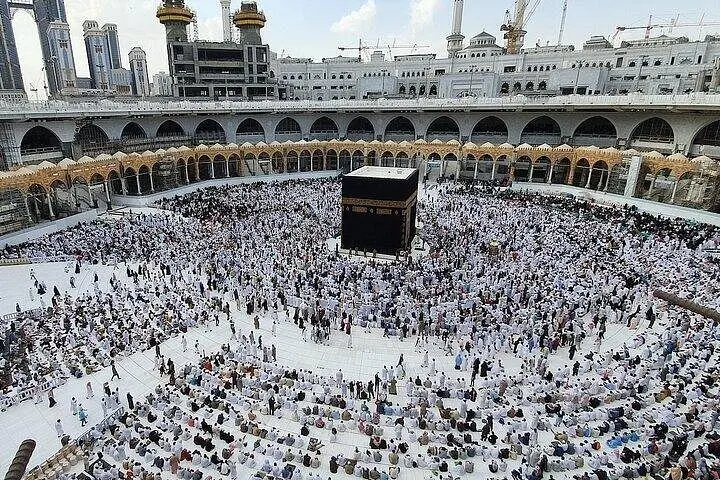
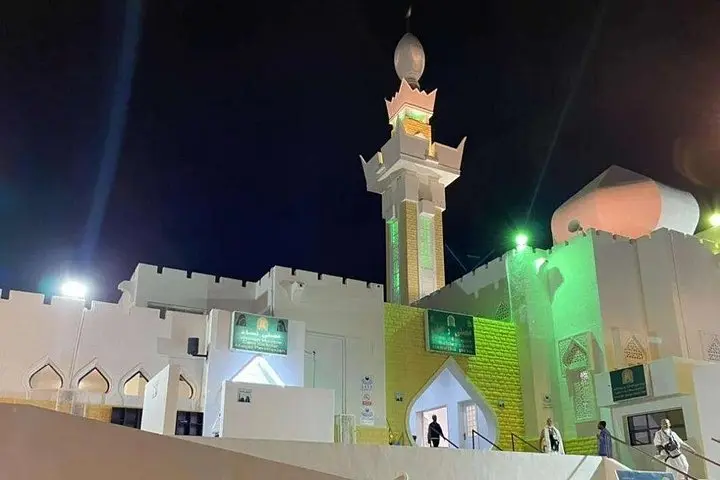
You arrive from Makkah through dust-rolled plains and low, scrubbed hills; the road eases and the mosque appears simple against the sky—white walls, a squat minaret, and a quiet courtyard where pilgrims pause. The air tastes of incense and intention as visitors prepare to enter ihram here, retracing a step the Prophet Muhammad (PBUH) once took.
You arrive from Makkah through dust-rolled plains and low, scrubbed hills; the road eases and the mosque appears simple against the sky—white walls, a squat minaret, and a quiet courtyard where pilgrims pause. The air tastes of incense and intention as visitors prepare to enter ihram here, retracing a step the Prophet Muhammad (PBUH) once took.
Masjid Al-Ju'ranah (Al-Jirranah) functions as one of the Islamic miqats: a designated boundary where pilgrims assume the sacred state before Umrah or Hajj. The structure is modest rather than ornate, reflecting centuries of practical devotion rather than monumental architecture. Geologically this area is part of the Hijaz foothills—rocky limestone and red-brown sand shaping low ridges and drainage channels that guide seasonal runoff toward the western plain.
Locals use the mosque as a spiritual waypoint and a social hub; small shops and shaded rest areas cater to travelers. Respectful dress, quiet movement, and an awareness of prayer times shape the rhythm of a visit.
Practical guidance: plan a two- to three-hour window for pickup, prayer, and returns to Makkah; traffic can be heavy, especially during Ramadan and Hajj seasons, so allow extra time. Wear lightweight, conservative clothing suitable for prayer and heat, carry water, and keep travel documents accessible if on a private tour. The site is wheelchair-friendly and short on rugged terrain—this is a contemplative stop rather than a strenuous outing, best done with an eye toward etiquette and timing.