THE ADVENTURE COLLECTIVE® · Independent discovery and booking for outdoor travel

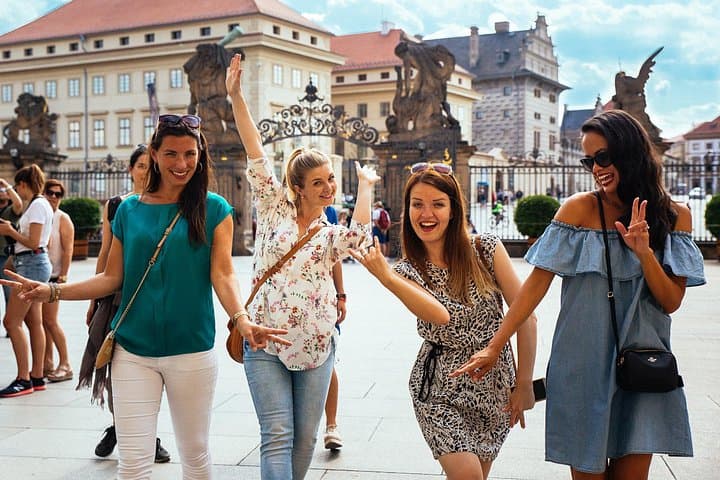
Walk Prague Castle’s terraces, cathedral and secret medieval lanes on a three-hour private tour that pairs architectural detail with local color. Ideal for first-time visitors who want history delivered by a local guide away from the busiest routes.
Walk Prague Castle’s terraces, cathedral and secret medieval lanes on a three-hour private tour that pairs architectural detail with local color. Ideal for first-time visitors who want history delivered by a local guide away from the busiest routes.
A brisk step up from the river, the Castle District opens like a chapter of living stone: narrow alleys, garden terraces, and the vertical silhouette of St. Vitus' spire cutting the sky. The guide leads down a lane of worn cobbles; below, the Vltava glints and tram lines hum—above, centuries of power, pilgrimage and politics press close.
Verified experiences and guided adventures in the surrounding area.
Operated by Withlocals · Prague, Prague
A brisk step up from the river, the Castle District opens like a chapter of living stone: narrow alleys, garden terraces, and the vertical silhouette of St. Vitus' spire cutting the sky. The guide leads down a lane of worn cobbles; below, the Vltava glints and tram lines hum—above, centuries of power, pilgrimage and politics press close.
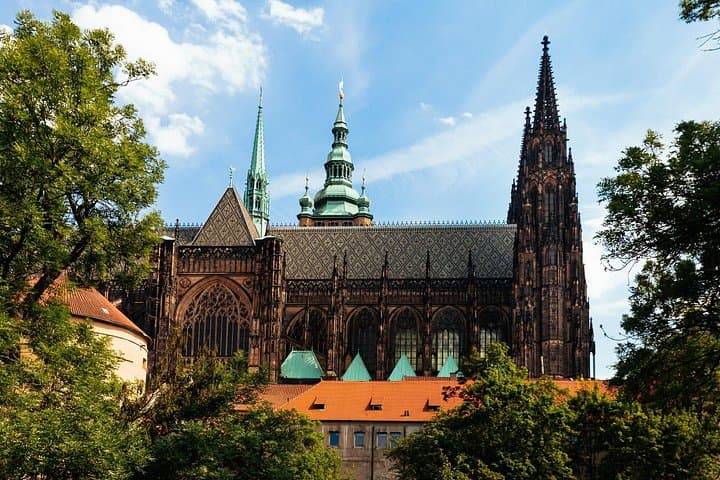
Founded in the 9th century and expanded across Gothic and Baroque eras, Prague Castle sits on the Bohemian Massif where solid bedrock gives the fortress its commanding posture. On a three-hour private walk, visitors pass Strahov Monastery’s libraries, the pilgrim complex of Loreta, and the quiet medieval lane of Nový Svět—each place a signpost of Prague’s religious, royal and municipal story. St. Vitus' Cathedral anchors the skyline: its stained glass and carved portals map coronations and cultural memory.
The district is as much lived-in city as museum—vineyards on the slopes, vendors around viewpoints, and a steady urban wildlife presence (look up for falcons). Local guides decode architecture and point out less-visited corners like St. Wenceslas’ vineyard terrace and a garden tunnel that feels private despite the crowds.
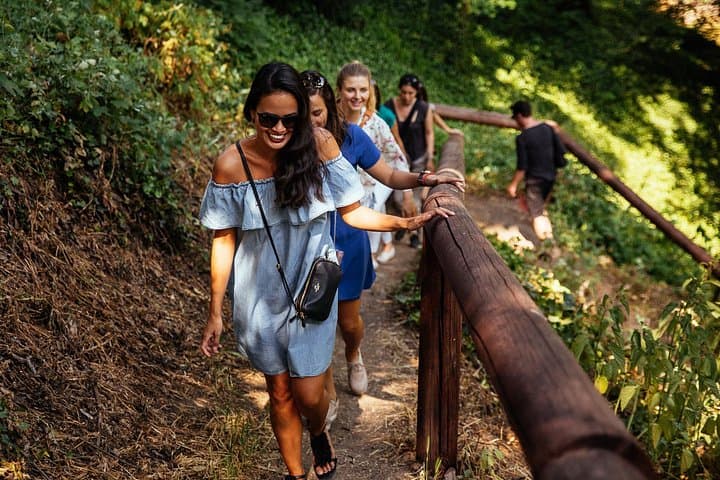
Practical edge: expect cobblestones, short steep sections and steps; wear supportive shoes and plan for three hours with breaks. Some interiors may require separate tickets or timed entry—confirm before arrival. Morning light or late afternoon reduces crowds and softens façades for photography. Public transit drops you nearby; bring a rain layer and a reusable bottle—history here is best seen on foot, at deliberate pace.
Yes—this is a private guiding experience for your party only, allowing a flexible pace and focus on your interests.
Admissions are not guaranteed as included; some interiors may require separate tickets or timed entry—confirm at booking.
The Castle District has cobbles, narrow lanes and steps; while some routes are manageable, full accessibility is limited—discuss needs with the operator.
Meeting points are typically in the Hradčany/Castle area and are reachable by tram or a short walk from Malostranská and other central stops—look for guide details on your confirmation.
Withlocals operates guided outdoor trips and adventures with an emphasis on safety, stewardship, and memorable experiences.

A brisk step up from the river, the Castle District opens like a chapter of living stone: narrow alleys, garden terraces, and the vertical silhouette of St. Vitus' spire cutting the sky. The guide leads down a lane of worn cobbles; below, the Vltava glints and tram lines hum—above, centuries of power, pilgrimage and politics press close.
A brisk step up from the river, the Castle District opens like a chapter of living stone: narrow alleys, garden terraces, and the vertical silhouette of St. Vitus' spire cutting the sky. The guide leads down a lane of worn cobbles; below, the Vltava glints and tram lines hum—above, centuries of power, pilgrimage and politics press close.
Founded in the 9th century and expanded across Gothic and Baroque eras, Prague Castle sits on the Bohemian Massif where solid bedrock gives the fortress its commanding posture. On a three-hour private walk, visitors pass Strahov Monastery’s libraries, the pilgrim complex of Loreta, and the quiet medieval lane of Nový Svět—each place a signpost of Prague’s religious, royal and municipal story. St. Vitus' Cathedral anchors the skyline: its stained glass and carved portals map coronations and cultural memory.
The district is as much lived-in city as museum—vineyards on the slopes, vendors around viewpoints, and a steady urban wildlife presence (look up for falcons). Local guides decode architecture and point out less-visited corners like St. Wenceslas’ vineyard terrace and a garden tunnel that feels private despite the crowds.
Practical edge: expect cobblestones, short steep sections and steps; wear supportive shoes and plan for three hours with breaks. Some interiors may require separate tickets or timed entry—confirm before arrival. Morning light or late afternoon reduces crowds and softens façades for photography. Public transit drops you nearby; bring a rain layer and a reusable bottle—history here is best seen on foot, at deliberate pace.