THE ADVENTURE COLLECTIVE® · Independent discovery and booking for outdoor travel

Travel from Bergen to the UNESCO-listed Nærøyfjord on an electric premium cruise, then climb 866 meters on the Flåm Railway. This private full-day tour pairs silent fjord passages, tumbling waterfalls and panoramic rail vistas with convenient hotel pickup and return.
Travel from Bergen to the UNESCO-listed Nærøyfjord on an electric premium cruise, then climb 866 meters on the Flåm Railway. This private full-day tour pairs silent fjord passages, tumbling waterfalls and panoramic rail vistas with convenient hotel pickup and return.
You step out of the car before dawn on a quiet street in Bergen and the guide nods toward the fjord road, where mist clings low to the valley like a shroud. The highway climbs, revealing a sequence of ravines and waterfalls; at Tvinde Waterfall you feel the spray—cold and immediate—on your face. By mid-morning the electric hull of the Future of the Fjords cuts a silent line through the Nærøyfjord, the water daring you to lean farther over the rail as cliffs press close and waterfalls thread down sheer rock.
Verified experiences and guided adventures in the surrounding area.
Operated by Guided Fjord Adventures · Flåm, Vestland
You step out of the car before dawn on a quiet street in Bergen and the guide nods toward the fjord road, where mist clings low to the valley like a shroud. The highway climbs, revealing a sequence of ravines and waterfalls; at Tvinde Waterfall you feel the spray—cold and immediate—on your face. By mid-morning the electric hull of the Future of the Fjords cuts a silent line through the Nærøyfjord, the water daring you to lean farther over the rail as cliffs press close and waterfalls thread down sheer rock.
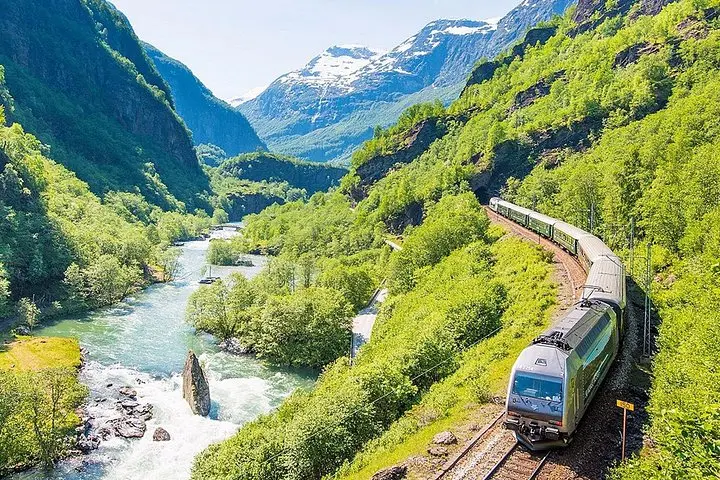
The Nærøyfjord and Aurlandsfjord form part of Sognefjord’s outer reaches, carved by ice over millennia into narrow fingers of sea framed by vertical mountains. Humans have threaded these channels for centuries—farmsteads on tiny ledges, seasonal timber routes, and the engineering leap of the Flåm Line, built in the early 20th century to connect remote valleys to Norway’s main rail artery. The Flåm Railway itself is a feat of brute persistence: 20.2 km of track, 866 meters of elevation change and twenty tunnels that seem to appear from the rock.
Culturally, the route stitches coastal trade to inland farms. At Gudvangen you’ll notice stone farm foundations and simple boathouses; in Undredal you can taste hard, salty goat cheese that locals have pressed for generations. The landscape is active—rivers that once carved the fjords still push sediment into the deeper channels, and eagles ride the thermals above, watching for fish.
Practicalities shape the day. The full loop from Bergen is roughly 10 hours with hotel pickup and drop-off included; most of the time is spent on roads, the fjord cruise and the train. The cruise aboard the low-profile electric vessel is quiet—bring layers and windproof protection, since exposure on deck can feel much colder than the forecast. The Flåm Railway ride is mostly seated but expect short platform stops at Kjosfossen for dramatic waterfall views; crowds gather quickly in high season.
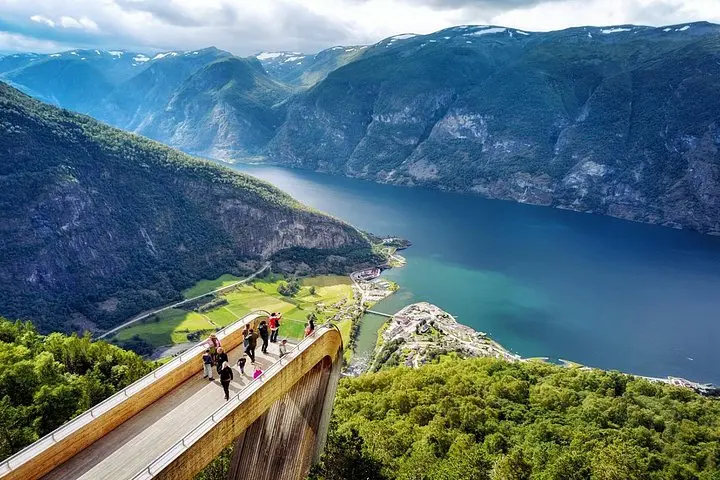
Timing matters: summer provides long light and accessible Stalheim viewpoints, while shoulder seasons offer fewer boats and a more intimate fjord. If you value fewer people in photos, aim for an early departure from Bergen. Hydration and snacks are simple but essential—cafés exist at Flåm and select stops, but options can be limited between towns. Finally, respect private land and fragile alpine pastures; stable paths and marked viewpoints preserve both your safety and the fjord’s quiet.
This is a day that moves—from coastal city to high plateau to narrow fjord—letting you experience how Norway’s geology, transport history and small-scale farming still converge along a single ribbon of water and track.
The private tour is about 10 hours total including hotel pickup, the fjord cruise and the Flåm Railway segments.
Yes—electric vessels are stable and family-friendly; stroller access is generally possible but check specific boarding details at pickup.
Yes, the Flåm Railway stops near Kjosfossen for passengers to view and photograph the waterfall up close.
There are limited onboard catering options; notify the operator ahead of time and bring snacks if you have strict dietary needs.
The Future of the Fjords provides limited connectivity and the Flåm Railway may have patchy service—plan for offline navigation and entertainment.
The cruise and train usually operate in rain; cancellations are rare but operators monitor severe weather—check the cancellation policy and stay flexible.
Guided Fjord Adventures operates guided outdoor trips and adventures with an emphasis on safety, stewardship, and memorable experiences.
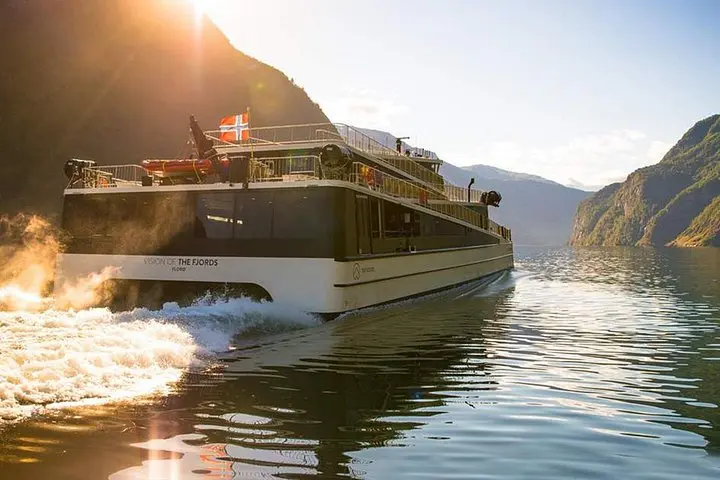
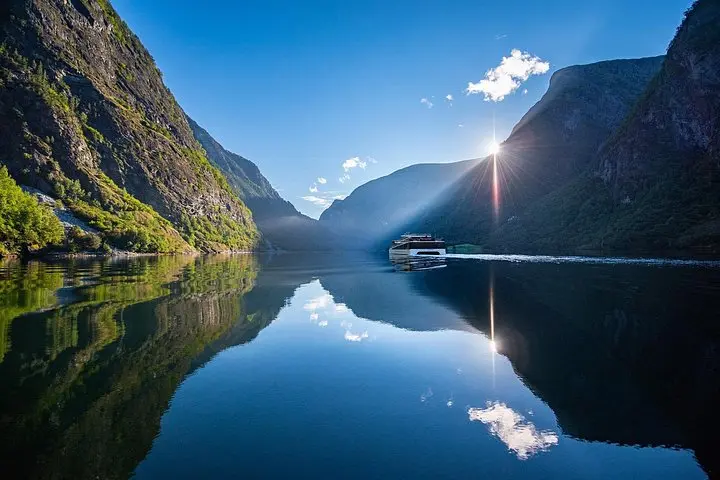
You step out of the car before dawn on a quiet street in Bergen and the guide nods toward the fjord road, where mist clings low to the valley like a shroud. The highway climbs, revealing a sequence of ravines and waterfalls; at Tvinde Waterfall you feel the spray—cold and immediate—on your face. By mid-morning the electric hull of the Future of the Fjords cuts a silent line through the Nærøyfjord, the water daring you to lean farther over the rail as cliffs press close and waterfalls thread down sheer rock.
You step out of the car before dawn on a quiet street in Bergen and the guide nods toward the fjord road, where mist clings low to the valley like a shroud. The highway climbs, revealing a sequence of ravines and waterfalls; at Tvinde Waterfall you feel the spray—cold and immediate—on your face. By mid-morning the electric hull of the Future of the Fjords cuts a silent line through the Nærøyfjord, the water daring you to lean farther over the rail as cliffs press close and waterfalls thread down sheer rock.
The Nærøyfjord and Aurlandsfjord form part of Sognefjord’s outer reaches, carved by ice over millennia into narrow fingers of sea framed by vertical mountains. Humans have threaded these channels for centuries—farmsteads on tiny ledges, seasonal timber routes, and the engineering leap of the Flåm Line, built in the early 20th century to connect remote valleys to Norway’s main rail artery. The Flåm Railway itself is a feat of brute persistence: 20.2 km of track, 866 meters of elevation change and twenty tunnels that seem to appear from the rock.
Culturally, the route stitches coastal trade to inland farms. At Gudvangen you’ll notice stone farm foundations and simple boathouses; in Undredal you can taste hard, salty goat cheese that locals have pressed for generations. The landscape is active—rivers that once carved the fjords still push sediment into the deeper channels, and eagles ride the thermals above, watching for fish.
Practicalities shape the day. The full loop from Bergen is roughly 10 hours with hotel pickup and drop-off included; most of the time is spent on roads, the fjord cruise and the train. The cruise aboard the low-profile electric vessel is quiet—bring layers and windproof protection, since exposure on deck can feel much colder than the forecast. The Flåm Railway ride is mostly seated but expect short platform stops at Kjosfossen for dramatic waterfall views; crowds gather quickly in high season.
Timing matters: summer provides long light and accessible Stalheim viewpoints, while shoulder seasons offer fewer boats and a more intimate fjord. If you value fewer people in photos, aim for an early departure from Bergen. Hydration and snacks are simple but essential—cafés exist at Flåm and select stops, but options can be limited between towns. Finally, respect private land and fragile alpine pastures; stable paths and marked viewpoints preserve both your safety and the fjord’s quiet.
This is a day that moves—from coastal city to high plateau to narrow fjord—letting you experience how Norway’s geology, transport history and small-scale farming still converge along a single ribbon of water and track.