THE ADVENTURE COLLECTIVE® · Independent discovery and booking for outdoor travel

A private 12‑day itinerary linking Cairo’s pyramids to a Luxor–Aswan Nile cruise with a coastal stop in Alexandria. Expect sleeper trains, full‑board cruising, temple visits and guided museum time — all paced for sightseers.
A private 12‑day itinerary linking Cairo’s pyramids to a Luxor–Aswan Nile cruise with a coastal stop in Alexandria. Expect sleeper trains, full‑board cruising, temple visits and guided museum time — all paced for sightseers.
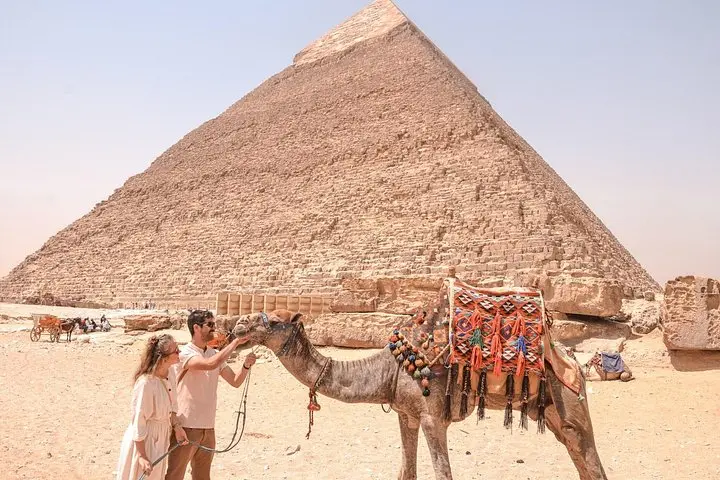
You arrive into Cairo at dawn; the city exhales heat and diesel as minivans thread between modern apartment blocks and low sandstone walls. Within hours you stand at the base of the Great Pyramid — its dressed limestone blocks sharp against a blue sky — then board a sleeper train that will carry you south toward the white ribbon of the Nile.
Verified experiences and guided adventures in the surrounding area.
Operated by Camel Ride at Giza Pyramids · Cairo, Cairo Governorate
You arrive into Cairo at dawn; the city exhales heat and diesel as minivans thread between modern apartment blocks and low sandstone walls. Within hours you stand at the base of the Great Pyramid — its dressed limestone blocks sharp against a blue sky — then board a sleeper train that will carry you south toward the white ribbon of the Nile.
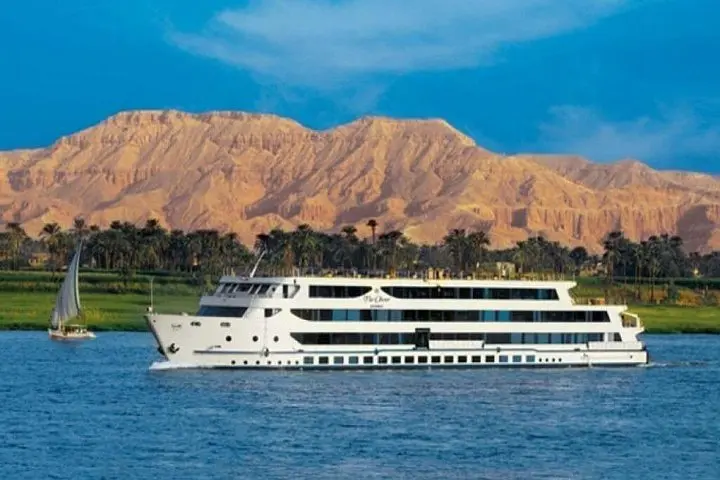
This private 12‑day loop pairs classical Egyptology with slow-river travel: four nights in Cairo, two nights on sleeper trains, four nights aboard a full‑board Nile cruise between Luxor and Aswan, plus a night in Alexandria. Expect temple colonnades at Karnak, the painted burial chambers of the Valley of the Kings, the twin temples of Kom Ombo, and the island shrine of Philae. Alexandria adds a Mediterranean edge — the modern Bibliotheca Alexandrina, the Fort of Qaitbay and a coastal corniche shaped by centuries of seafaring.
Geology and history are omnipresent: the Nile’s alluvial plain made Egypt fertile and pharaonic power possible; sandstone and granite temples sit where quarries supplied royal statuary. Local culture is layered — Coptic churches, Ottoman-era mosques, and vibrant street markets.
Practical guidance: pack breathable layers and sturdy walking shoes for dusty archaeological sites and temple steps. Midday on-land touring is hot from spring through autumn; schedule strenuous visits for morning or late afternoon. Bring small cash for local vendors, photocopies of travel documents, and a sun hat. The tour’s pace balances guided museum time and slow evenings on deck — ideal for travelers who want a structured route through Egypt’s major sites without constant heavy hiking.
Yes—pace is moderate with transfers, but sleeper trains and stairs in tombs may be challenging; check mobility needs and notify the operator for assistance.
Many nationalities require an Egyptian entry visa obtained in advance or on arrival—check current embassy guidance before travel.
Duplicate field removed
Yes—Abu Simbel is a common optional day trip from Aswan (extra cost) and requires an early start; it’s often offered as a separate excursion.
Camel Ride at Giza Pyramids operates guided outdoor trips and adventures with an emphasis on safety, stewardship, and memorable experiences.
You arrive into Cairo at dawn; the city exhales heat and diesel as minivans thread between modern apartment blocks and low sandstone walls. Within hours you stand at the base of the Great Pyramid — its dressed limestone blocks sharp against a blue sky — then board a sleeper train that will carry you south toward the white ribbon of the Nile.
You arrive into Cairo at dawn; the city exhales heat and diesel as minivans thread between modern apartment blocks and low sandstone walls. Within hours you stand at the base of the Great Pyramid — its dressed limestone blocks sharp against a blue sky — then board a sleeper train that will carry you south toward the white ribbon of the Nile.
This private 12‑day loop pairs classical Egyptology with slow-river travel: four nights in Cairo, two nights on sleeper trains, four nights aboard a full‑board Nile cruise between Luxor and Aswan, plus a night in Alexandria. Expect temple colonnades at Karnak, the painted burial chambers of the Valley of the Kings, the twin temples of Kom Ombo, and the island shrine of Philae. Alexandria adds a Mediterranean edge — the modern Bibliotheca Alexandrina, the Fort of Qaitbay and a coastal corniche shaped by centuries of seafaring.
Geology and history are omnipresent: the Nile’s alluvial plain made Egypt fertile and pharaonic power possible; sandstone and granite temples sit where quarries supplied royal statuary. Local culture is layered — Coptic churches, Ottoman-era mosques, and vibrant street markets.
Practical guidance: pack breathable layers and sturdy walking shoes for dusty archaeological sites and temple steps. Midday on-land touring is hot from spring through autumn; schedule strenuous visits for morning or late afternoon. Bring small cash for local vendors, photocopies of travel documents, and a sun hat. The tour’s pace balances guided museum time and slow evenings on deck — ideal for travelers who want a structured route through Egypt’s major sites without constant heavy hiking.