THE ADVENTURE COLLECTIVE® · Independent discovery and booking for outdoor travel

Spend a private day exploring the Giza pyramids, the Sphinx and Cairo’s museum highlights. This practical guide outlines what to expect—walking distances, ticket notes, and preparation tips—so you can focus on the monuments, not logistics.
Spend a private day exploring the Giza pyramids, the Sphinx and Cairo’s museum highlights. This practical guide outlines what to expect—walking distances, ticket notes, and preparation tips—so you can focus on the monuments, not logistics.
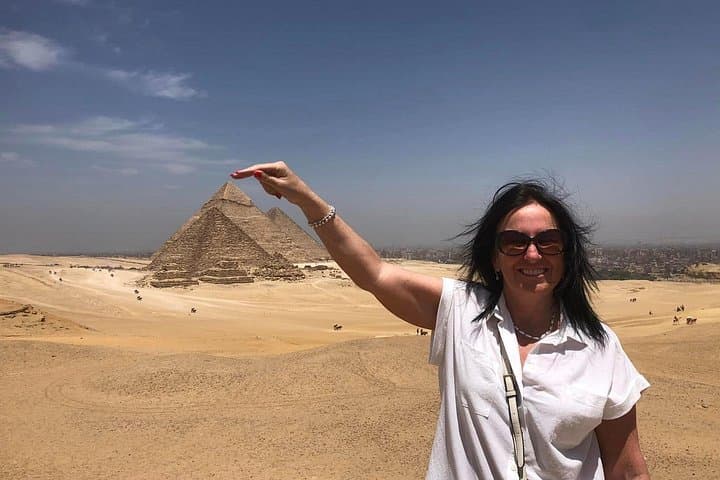
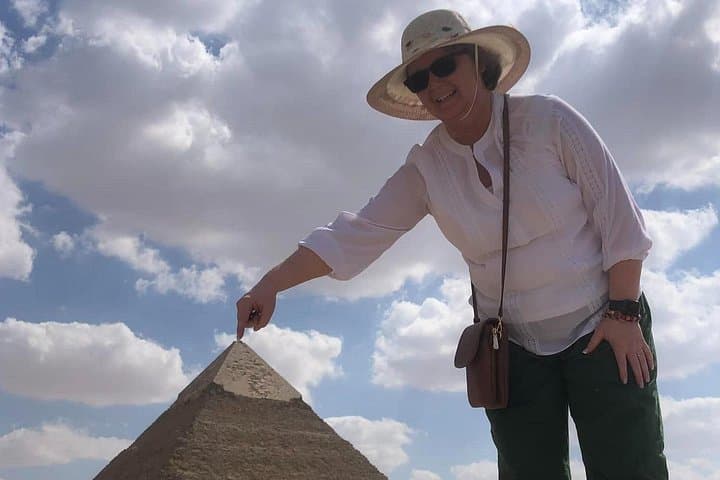
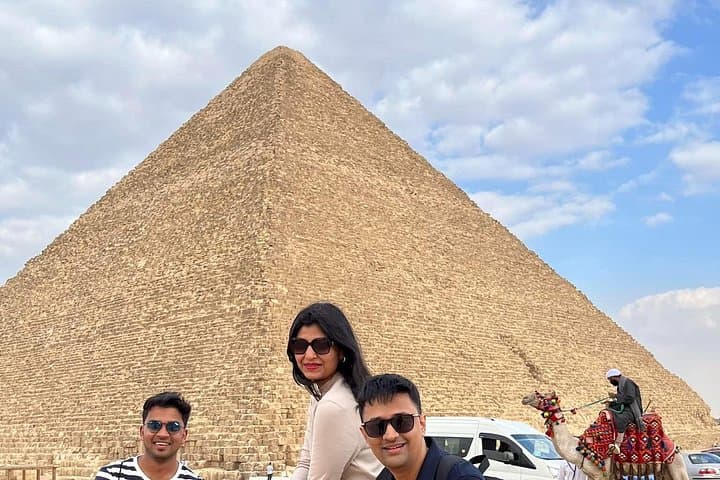
You step from an air-conditioned van into a wash of light and dry wind; the Great Pyramid rises like an engineered cliff, its stepped core still catching sunlight where ancient casing stones remain. Dust scents the air, a camel calls, and the Sphinx watches as small knots of visitors fan out across the plateau.
Verified experiences and guided adventures in the surrounding area.
Operated by Moustafa Egypt Tours · Giza, Giza Governorate
You step from an air-conditioned van into a wash of light and dry wind; the Great Pyramid rises like an engineered cliff, its stepped core still catching sunlight where ancient casing stones remain. Dust scents the air, a camel calls, and the Sphinx watches as small knots of visitors fan out across the plateau.
This private, full-day tour moves from the three Giza pyramids—Khufu (Cheops), Khafre (Chephren) and Menkaure (Mykerinos)—to the Sphinx and then into Cairo’s great museum collections. The Giza monuments date to Egypt’s Old Kingdom (circa 2600–2500 BCE), constructed from quarried limestone and granite and aligned with astronomical precision. The Egyptian Museum’s galleries concentrate objects from thousands of years of pharaonic rule, including Tutankhamun’s famously ornate funerary goods.
Geology here is obvious: the plateau is a raised limestone bench, with visible dressing marks and erosion that tell the story of building and weathering. Culturally, expect lively local vendors and licensed guides who will translate hieroglyphs and explain funerary rites and temple economy.
Practically: the tour runs about 6–8 hours with several hours on foot across uneven sand and stone (plan for 3–5 km of walking interspersed with stops). Entrance to pyramid interiors often requires a separate ticket and can be claustrophobic—ask your guide before planning to enter. Bring sun protection, refillable water, comfortable shoes, and modest clothing for museum and mosque visits. An early start minimizes heat and crowds; keep some small Egyptian pounds for tips, soft drinks and souvenirs.
Tours vary; this private itinerary often excludes pyramid interior tickets and some museum special exhibitions—confirm with your operator and budget additional cash if you plan to enter interiors.
Yes, but access is limited, requires a separate ticket, and involves narrow, steep passages—people with claustrophobia or mobility issues may prefer to admire the exterior.
Older children who can manage walking and tight spaces will enjoy it; infants should be carried and children under certain ages may be restricted from some interior spaces—check age limits beforehand.
Expect roughly 3–5 km of walking across mixed terrain and several short climbs or steps—comfortable pacing and frequent water breaks are typical on a full-day tour.
Moustafa Egypt Tours operates guided outdoor trips and adventures with an emphasis on safety, stewardship, and memorable experiences.
You step from an air-conditioned van into a wash of light and dry wind; the Great Pyramid rises like an engineered cliff, its stepped core still catching sunlight where ancient casing stones remain. Dust scents the air, a camel calls, and the Sphinx watches as small knots of visitors fan out across the plateau.
You step from an air-conditioned van into a wash of light and dry wind; the Great Pyramid rises like an engineered cliff, its stepped core still catching sunlight where ancient casing stones remain. Dust scents the air, a camel calls, and the Sphinx watches as small knots of visitors fan out across the plateau.
This private, full-day tour moves from the three Giza pyramids—Khufu (Cheops), Khafre (Chephren) and Menkaure (Mykerinos)—to the Sphinx and then into Cairo’s great museum collections. The Giza monuments date to Egypt’s Old Kingdom (circa 2600–2500 BCE), constructed from quarried limestone and granite and aligned with astronomical precision. The Egyptian Museum’s galleries concentrate objects from thousands of years of pharaonic rule, including Tutankhamun’s famously ornate funerary goods.
Geology here is obvious: the plateau is a raised limestone bench, with visible dressing marks and erosion that tell the story of building and weathering. Culturally, expect lively local vendors and licensed guides who will translate hieroglyphs and explain funerary rites and temple economy.
Practically: the tour runs about 6–8 hours with several hours on foot across uneven sand and stone (plan for 3–5 km of walking interspersed with stops). Entrance to pyramid interiors often requires a separate ticket and can be claustrophobic—ask your guide before planning to enter. Bring sun protection, refillable water, comfortable shoes, and modest clothing for museum and mosque visits. An early start minimizes heat and crowds; keep some small Egyptian pounds for tips, soft drinks and souvenirs.