THE ADVENTURE COLLECTIVE® · Independent discovery and booking for outdoor travel

Stand before the Great Pyramids and ride a camel across the sands on a private 4–5 hour tour that includes an Egyptologist guide and lunch. Perfect for first-time visitors who want panoramic photos, historical context, and a manageable desert experience.
Stand before the Great Pyramids and ride a camel across the sands on a private 4–5 hour tour that includes an Egyptologist guide and lunch. Perfect for first-time visitors who want panoramic photos, historical context, and a manageable desert experience.
You step onto the Giza Plateau as the morning light sharpens the edges of stone—great faces of limestone and shadowed corridors rising from an ochre sea of sand. A camel exhales at your feet; its bell keeps a loose, human rhythm as the three pyramids loom, patient and immovable.
Verified experiences and guided adventures in the surrounding area.
Operated by Magic Pyramid Tour · Giza, Giza Governorate
You step onto the Giza Plateau as the morning light sharpens the edges of stone—great faces of limestone and shadowed corridors rising from an ochre sea of sand. A camel exhales at your feet; its bell keeps a loose, human rhythm as the three pyramids loom, patient and immovable.
This plateau has been a working landscape for more than 4,500 years. The Great Pyramid of Khufu, with its buried solar boat and quarry scars, shows both human engineering and local geology—layers of Tura limestone and softer Giza bedrock. The Great Sphinx, carved from a single ridge of limestone, watches the desert and the city beyond; nearby smaller tombs and the Pyramid of Queen Henutsen whisper about everyday life behind the pharaohs’ monuments.
Local culture is immediate: licensed Egyptologist guides translate hieroglyphs into political life; camel handlers and vendors offer quick trades and stories; a papyrus or perfume stop gives a modern-souvenir counterpoint to ancient stone. Expect direct interaction—bargaining is part of the rhythm.
Practically, aim for early or late-day departures to avoid peak heat and harsh light. Bring sun protection, at least 1–2 liters of water per person, closed shoes for uneven footing, and small bills for tips or optional extras. If you want to enter interior chambers, confirm ticket inclusion in advance—these entries are limited and sometimes sold separately. Respect posted barriers: climbing monuments is prohibited and damages fragile surfaces. With a guide, the plateau rewards patient observation: the scale, the craft, and the thin human traces that connect past to present.
The tour offers different options—confirm whether your booking includes entrance fees for pyramid sites and the Sphinx; some interior chamber entries are sold separately and have limited availability.
Camel rides are often an optional add-on; check your booking package—if included it will be stated, otherwise you can pay locally but negotiate price beforehand.
Giza offers some wheelchair-friendly areas and vehicles, but moving across the plateau involves sand and uneven surfaces—notify the operator in advance to arrange access and assistance.
Yes—this private option includes a qualified Egyptologist guide who provides historical context, navigation of the site, and can handle ticket logistics.
Magic Pyramid Tour operates guided outdoor trips and adventures with an emphasis on safety, stewardship, and memorable experiences.
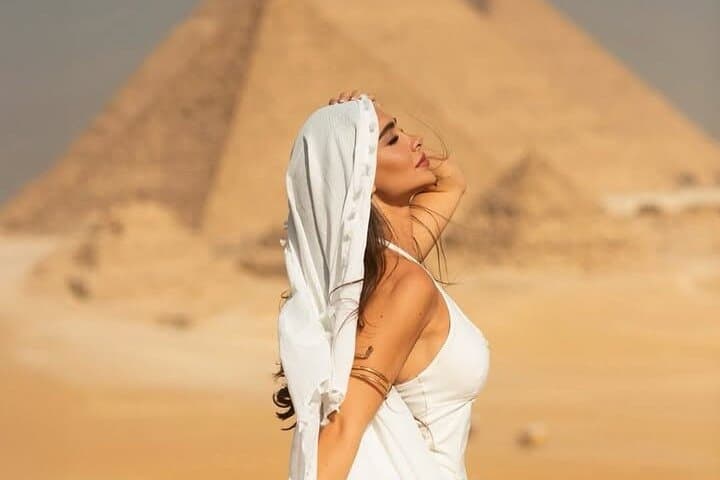
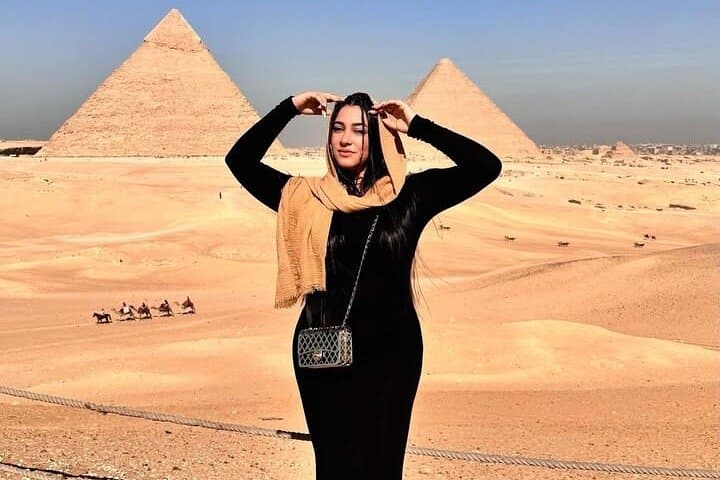
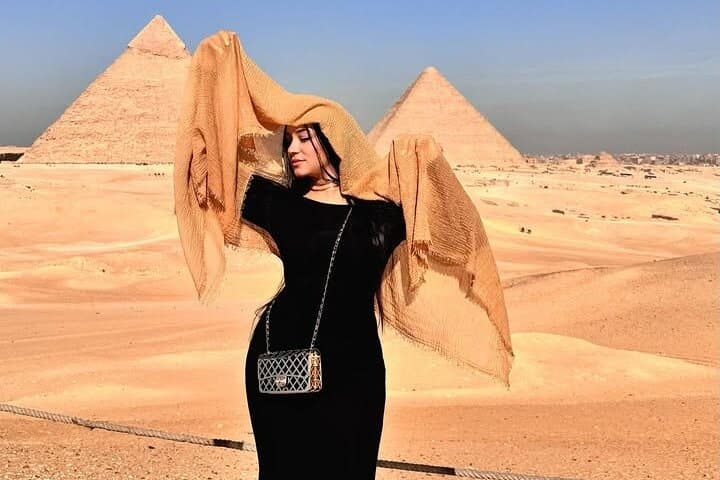
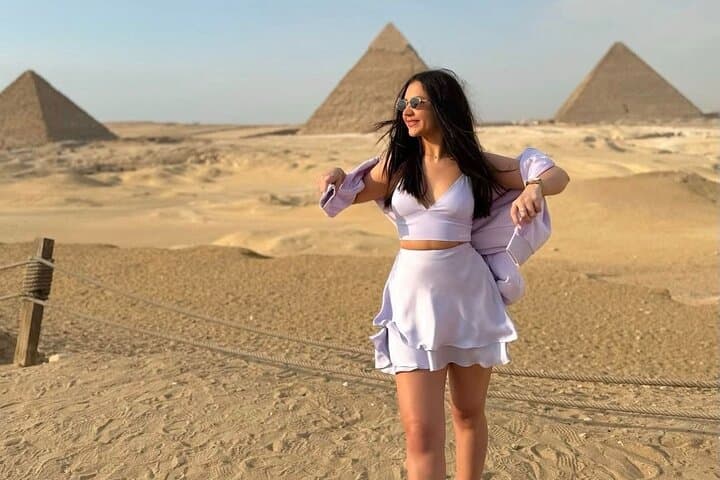
You step onto the Giza Plateau as the morning light sharpens the edges of stone—great faces of limestone and shadowed corridors rising from an ochre sea of sand. A camel exhales at your feet; its bell keeps a loose, human rhythm as the three pyramids loom, patient and immovable.
You step onto the Giza Plateau as the morning light sharpens the edges of stone—great faces of limestone and shadowed corridors rising from an ochre sea of sand. A camel exhales at your feet; its bell keeps a loose, human rhythm as the three pyramids loom, patient and immovable.
This plateau has been a working landscape for more than 4,500 years. The Great Pyramid of Khufu, with its buried solar boat and quarry scars, shows both human engineering and local geology—layers of Tura limestone and softer Giza bedrock. The Great Sphinx, carved from a single ridge of limestone, watches the desert and the city beyond; nearby smaller tombs and the Pyramid of Queen Henutsen whisper about everyday life behind the pharaohs’ monuments.
Local culture is immediate: licensed Egyptologist guides translate hieroglyphs into political life; camel handlers and vendors offer quick trades and stories; a papyrus or perfume stop gives a modern-souvenir counterpoint to ancient stone. Expect direct interaction—bargaining is part of the rhythm.
Practically, aim for early or late-day departures to avoid peak heat and harsh light. Bring sun protection, at least 1–2 liters of water per person, closed shoes for uneven footing, and small bills for tips or optional extras. If you want to enter interior chambers, confirm ticket inclusion in advance—these entries are limited and sometimes sold separately. Respect posted barriers: climbing monuments is prohibited and damages fragile surfaces. With a guide, the plateau rewards patient observation: the scale, the craft, and the thin human traces that connect past to present.