THE ADVENTURE COLLECTIVE® · Independent discovery and booking for outdoor travel

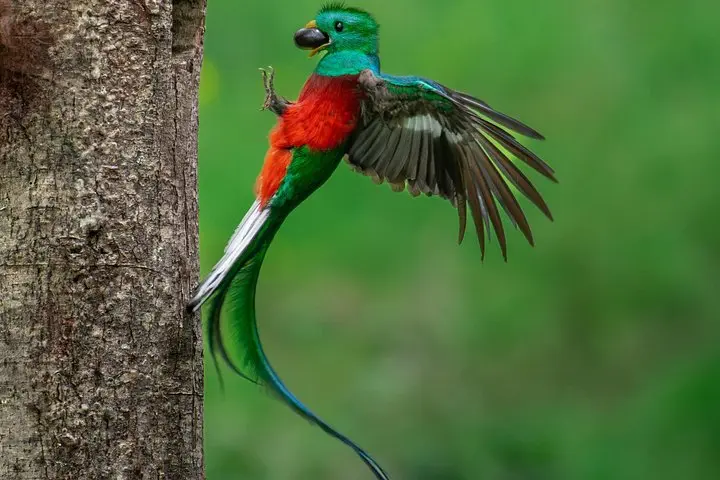
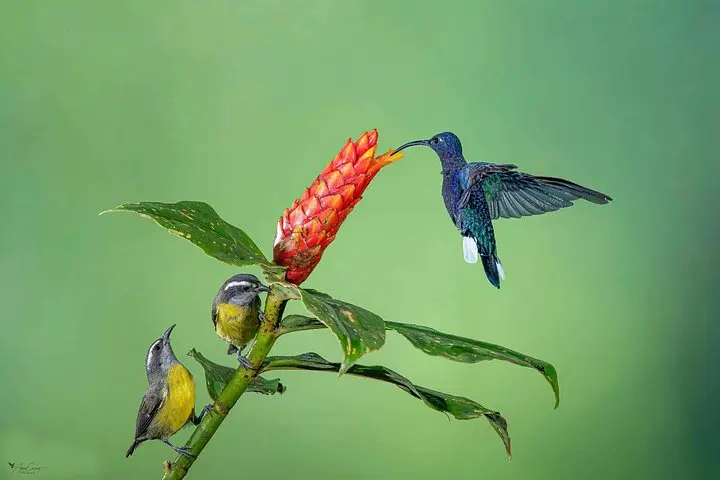
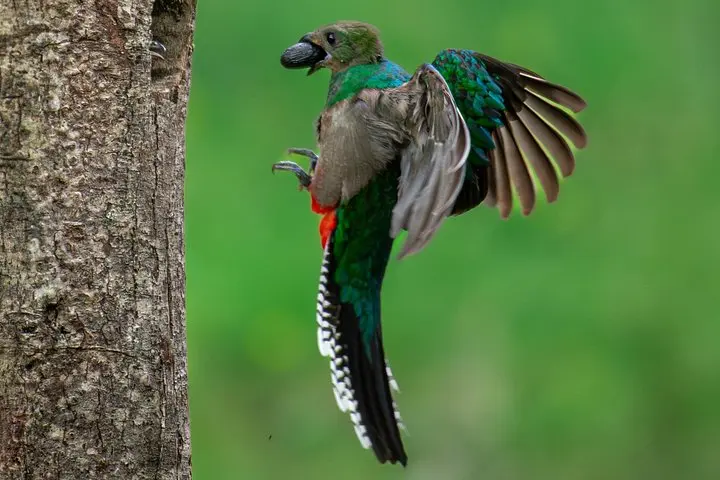
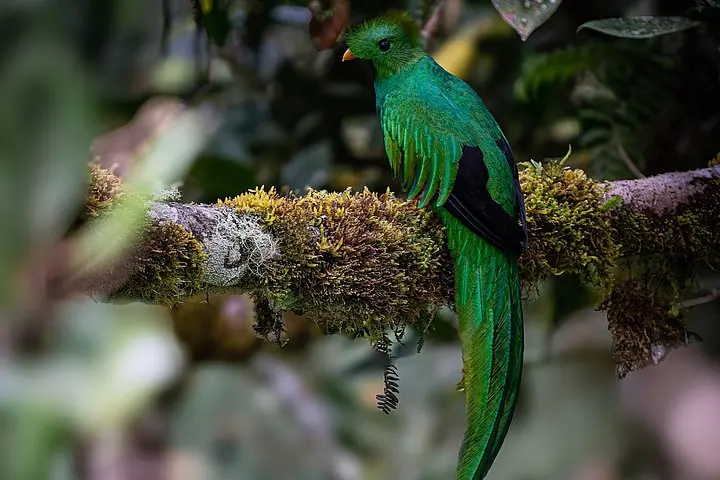
Head into Costa Rica’s cloud forest on a private, six-hour birdwatching tour to see the Resplendent Quetzal at a monitored nesting site and watch hummingbirds up close in a scenic garden. Expect misty trails, expert local guides, and a strong emphasis on conservation-minded viewing.
Head into Costa Rica’s cloud forest on a private, six-hour birdwatching tour to see the Resplendent Quetzal at a monitored nesting site and watch hummingbirds up close in a scenic garden. Expect misty trails, expert local guides, and a strong emphasis on conservation-minded viewing.
The day begins before sunrise as a private vehicle peels away from San José and climbs into the cool, mist-slick highlands. Forested ridgelines close in, moss and epiphytes crowding the trunks, and somewhere above the cloud line the unmistakable silhouette of a Resplendent Quetzal can appear like a flash of green against gray sky.
Verified experiences and guided adventures in the surrounding area.
Operated by Paticas Travel · Santa Elena, Puntarenas
The day begins before sunrise as a private vehicle peels away from San José and climbs into the cool, mist-slick highlands. Forested ridgelines close in, moss and epiphytes crowding the trunks, and somewhere above the cloud line the unmistakable silhouette of a Resplendent Quetzal can appear like a flash of green against gray sky.
Costa Rica’s cloud forests sit at elevations typically between 1,200–2,400 m, where orographic lift creates persistent humidity and a dense canopy that supports both quetzals and a dazzling array of hummingbirds. Many reserves in the central highlands were set aside in the 1970s as conservation awareness grew, and local communities now steward trails, feeding stations, and nest-site monitoring programs that make responsible viewing possible.
On a private six-hour excursion expect a guided visit to a monitored quetzal nesting site followed by time in a cultivated hummingbird garden where multiple species hover within arm’s reach. Terrain is generally easy—short, uneven forest trails and garden paths—but wet, so traction and dry clothes matter. Guides will time stops, limit flash photography at nests, and offer cultural context about local conservation and eco-tourism benefits to mountain communities.
Practical takeaways: travel with waterproof layers, binoculars, and a camera with a telephoto lens if you want close images; hydration and slow, quiet movement improve sightings; and plan visits during the quetzal nesting window (roughly March–June) or the dry season for easier access. This private format emphasizes focused, low-impact encounters that benefit both birdwatchers and the people who protect these forests.
No—sightings are never guaranteed, but visits focus on known nesting sites and employ experienced local guides to maximize chances.
Yes, private round-trip transportation from San José is included as part of the full-day tour.
Yes; the activity is rated easy and suitable for most ages, though quiet behavior is required near nesting sites.
Drone use is generally restricted near nests and protected areas; check with the operator and follow local regulations to avoid disturbance.
Paticas Travel operates guided outdoor trips and adventures with an emphasis on safety, stewardship, and memorable experiences.
The day begins before sunrise as a private vehicle peels away from San José and climbs into the cool, mist-slick highlands. Forested ridgelines close in, moss and epiphytes crowding the trunks, and somewhere above the cloud line the unmistakable silhouette of a Resplendent Quetzal can appear like a flash of green against gray sky.
The day begins before sunrise as a private vehicle peels away from San José and climbs into the cool, mist-slick highlands. Forested ridgelines close in, moss and epiphytes crowding the trunks, and somewhere above the cloud line the unmistakable silhouette of a Resplendent Quetzal can appear like a flash of green against gray sky.
Costa Rica’s cloud forests sit at elevations typically between 1,200–2,400 m, where orographic lift creates persistent humidity and a dense canopy that supports both quetzals and a dazzling array of hummingbirds. Many reserves in the central highlands were set aside in the 1970s as conservation awareness grew, and local communities now steward trails, feeding stations, and nest-site monitoring programs that make responsible viewing possible.
On a private six-hour excursion expect a guided visit to a monitored quetzal nesting site followed by time in a cultivated hummingbird garden where multiple species hover within arm’s reach. Terrain is generally easy—short, uneven forest trails and garden paths—but wet, so traction and dry clothes matter. Guides will time stops, limit flash photography at nests, and offer cultural context about local conservation and eco-tourism benefits to mountain communities.
Practical takeaways: travel with waterproof layers, binoculars, and a camera with a telephoto lens if you want close images; hydration and slow, quiet movement improve sightings; and plan visits during the quetzal nesting window (roughly March–June) or the dry season for easier access. This private format emphasizes focused, low-impact encounters that benefit both birdwatchers and the people who protect these forests.