THE ADVENTURE COLLECTIVE® · Independent discovery and booking for outdoor travel

Explore a private three‑hour guided tour of the RAF Museum at Hendon, where original WWI workshops meet Spitfires, Lancasters and modern jets. Learn aircraft history, see restoration work, and get insider context from a professional guide.
Explore a private three‑hour guided tour of the RAF Museum at Hendon, where original WWI workshops meet Spitfires, Lancasters and modern jets. Learn aircraft history, see restoration work, and get insider context from a professional guide.
You step through the museum doors and the air changes—metal, oil and the hush of engines long still. Large hangars open like chapters, rows of polished fuselages catching the daylight from high clerestory windows. A private guide leads you past Spitfires and Lancasters, pausing at original WWI workshop fittings that still smell faintly of oil and varnish.
Verified experiences and guided adventures in the surrounding area.
Operated by Ye Olde England Tours · London, England
You step through the museum doors and the air changes—metal, oil and the hush of engines long still. Large hangars open like chapters, rows of polished fuselages catching the daylight from high clerestory windows. A private guide leads you past Spitfires and Lancasters, pausing at original WWI workshop fittings that still smell faintly of oil and varnish.
The RAF Museum at Hendon occupies an ex–airfield with roots in early military aviation; the collection traces flight from tented observation balloons through piston fighters to modern jets and guided systems. The site sits atop London Clay and was a working RAF station during both world wars, so the buildings themselves are part of the story as much as the aircraft.
Culturally, the museum frames aviation as technology, strategy and personal stories—pilot logbooks, maintenance records and restored cockpits make the human side immediate. Local insight: some exhibits rotate for conservation, so the roster of aircraft on display can shift.
Practical guidance: the private tour runs about three hours and moves at a measured pace with plenty of seated stops. Wear comfortable shoes; some hangars are vast and exhibit platforms require stairs. Photography is permitted in most areas but flash and touching exhibits are restricted for preservation. If mobility is a concern, confirm accessibility in advance—many galleries and surfaces are wheelchair accessible, and guides can adapt the route.
Plan for 2–3 hours on-site beyond the tour if you want time to re-visit cockpits, use the café, or browse restoration workshops. Book ahead for private tours—spaces are limited and specialist exhibits may require additional notice.
The private guided tour is approximately three hours, with stops for exhibit interpretation and access to multiple hangars.
Yes—most galleries and surfaces are wheelchair accessible; notify the operator of mobility needs so the guide can plan an appropriate route.
Photography is generally allowed, but flash and touching exhibits are restricted; follow on‑site signage and guide instructions.
Yes—children are welcome; exhibits like cockpits and hands‑on displays can be engaging, but always supervise near restoration areas.
Ye Olde England Tours operates guided outdoor trips and adventures with an emphasis on safety, stewardship, and memorable experiences.
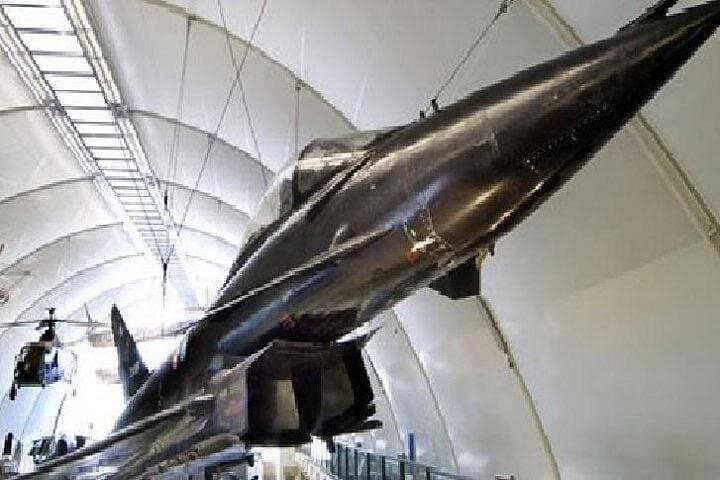
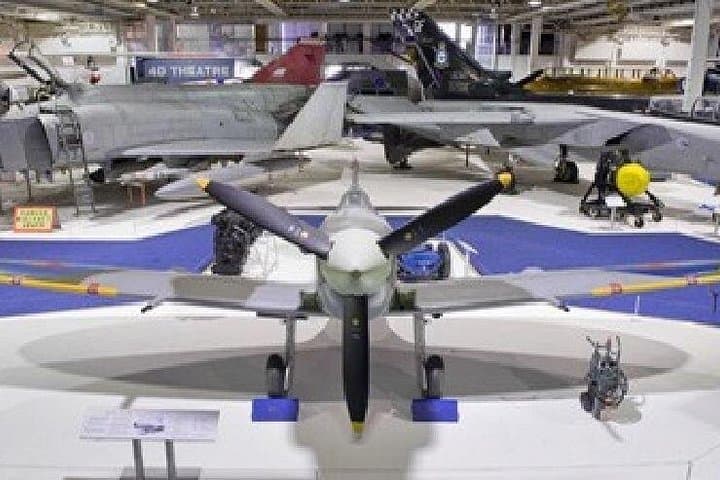
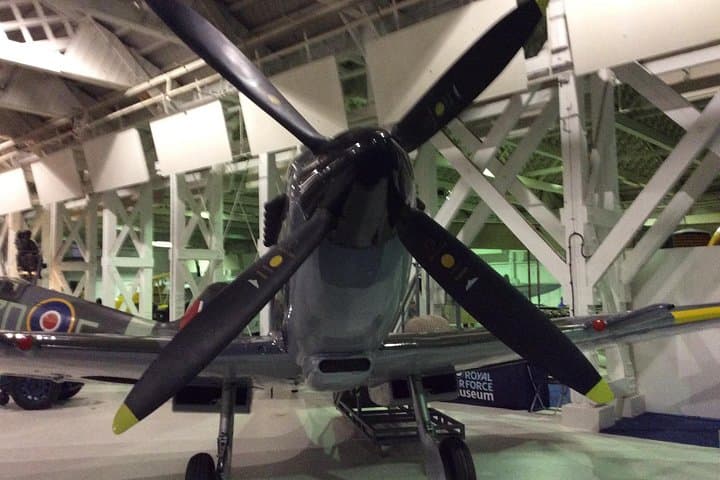
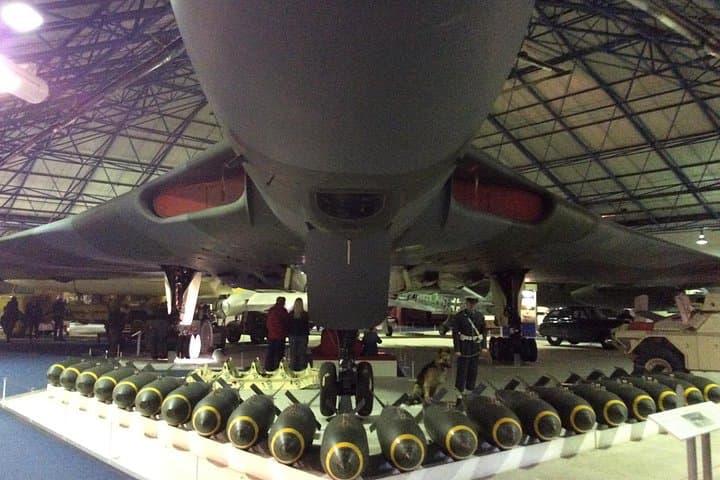
You step through the museum doors and the air changes—metal, oil and the hush of engines long still. Large hangars open like chapters, rows of polished fuselages catching the daylight from high clerestory windows. A private guide leads you past Spitfires and Lancasters, pausing at original WWI workshop fittings that still smell faintly of oil and varnish.
You step through the museum doors and the air changes—metal, oil and the hush of engines long still. Large hangars open like chapters, rows of polished fuselages catching the daylight from high clerestory windows. A private guide leads you past Spitfires and Lancasters, pausing at original WWI workshop fittings that still smell faintly of oil and varnish.
The RAF Museum at Hendon occupies an ex–airfield with roots in early military aviation; the collection traces flight from tented observation balloons through piston fighters to modern jets and guided systems. The site sits atop London Clay and was a working RAF station during both world wars, so the buildings themselves are part of the story as much as the aircraft.
Culturally, the museum frames aviation as technology, strategy and personal stories—pilot logbooks, maintenance records and restored cockpits make the human side immediate. Local insight: some exhibits rotate for conservation, so the roster of aircraft on display can shift.
Practical guidance: the private tour runs about three hours and moves at a measured pace with plenty of seated stops. Wear comfortable shoes; some hangars are vast and exhibit platforms require stairs. Photography is permitted in most areas but flash and touching exhibits are restricted for preservation. If mobility is a concern, confirm accessibility in advance—many galleries and surfaces are wheelchair accessible, and guides can adapt the route.
Plan for 2–3 hours on-site beyond the tour if you want time to re-visit cockpits, use the café, or browse restoration workshops. Book ahead for private tours—spaces are limited and specialist exhibits may require additional notice.