THE ADVENTURE COLLECTIVE® · Independent discovery and booking for outdoor travel

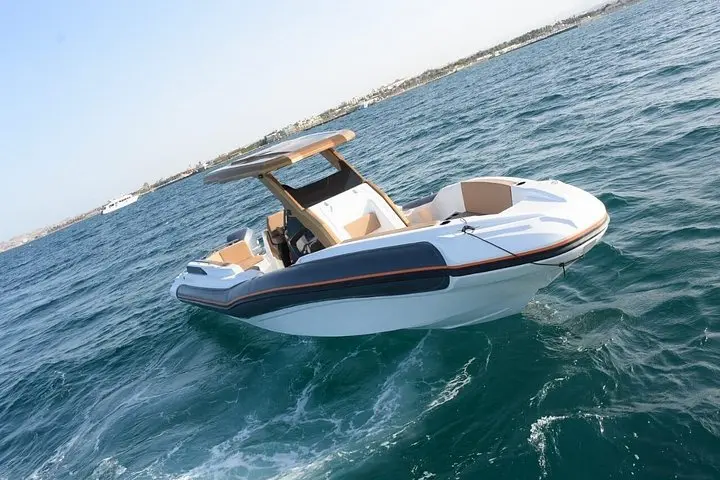
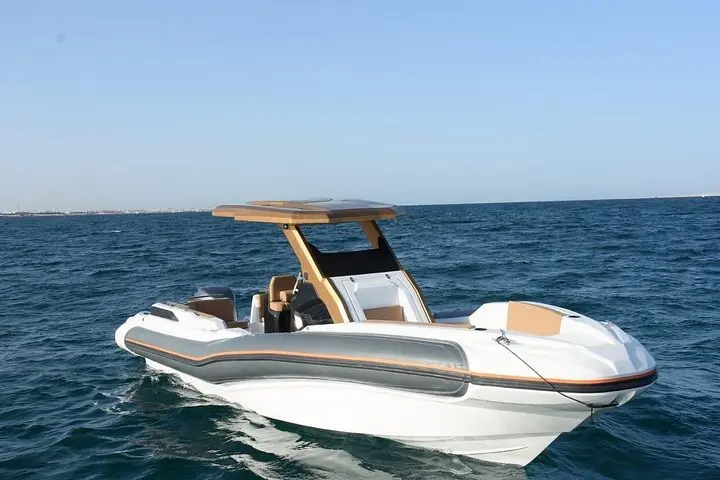
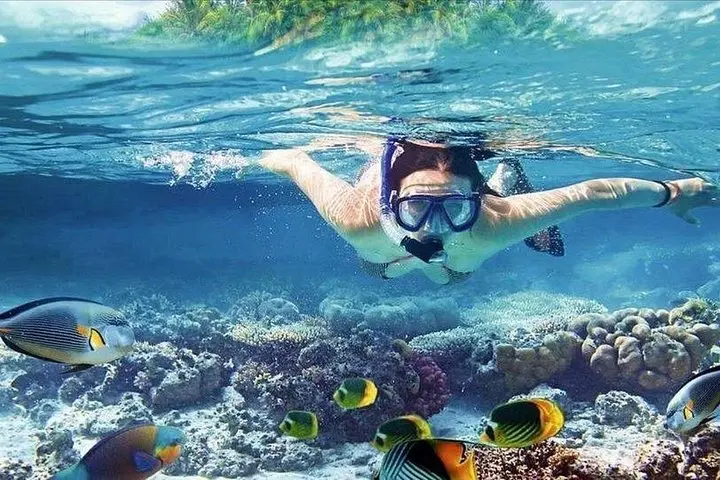
Escape Hurghada on a private two-hour speedboat to a rarely visited mangrove island and a vibrant Red Sea reef. This intimate snorkel and island-stop tour blends fast coastal cruising with shallow-water marine life viewing—ideal for small groups and families.
Escape Hurghada on a private two-hour speedboat to a rarely visited mangrove island and a vibrant Red Sea reef. This intimate snorkel and island-stop tour blends fast coastal cruising with shallow-water marine life viewing—ideal for small groups and families.
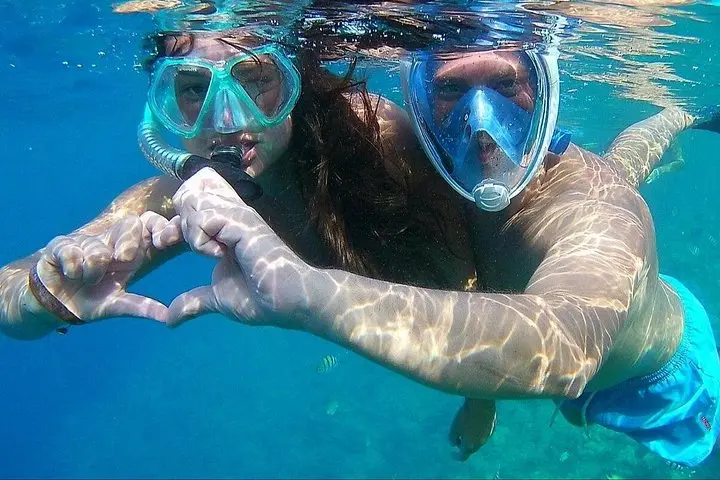
You cut the engine on turquoise water and the noise of the marina drops away—only the whisper of wind and the sea's steady push remain. The speedboat eases toward a low, leafy island where mangroves lift stilted roots from shallow flats and the horizon is an unbroken band of blue. Sunlight splinters on the surface; the captain points, and in a moment you slip into warm, clear water.
Verified experiences and guided adventures in the surrounding area.
Operated by parasailing hurgada · Hurghada, Red Sea Governorate
You cut the engine on turquoise water and the noise of the marina drops away—only the whisper of wind and the sea's steady push remain. The speedboat eases toward a low, leafy island where mangroves lift stilted roots from shallow flats and the horizon is an unbroken band of blue. Sunlight splinters on the surface; the captain points, and in a moment you slip into warm, clear water.
The Red Sea has long been a crossroads: Pharaonic fleets, medieval traders, and modern divers have followed these same lines of coast. Geologically, the sea sits above the Red Sea Rift, producing reefs of hard coral that grow in glassy, saline conditions and shelter a dense, colorful reef community.
Locally, fishing villages and Hurghada's tourism belt shape the shoreline culture—you'll notice simple nets and small boats tucked beside modern marinas. Mangrove is scarce on Egypt’s Red Sea coast, making a visit to a mangrove island a quiet glimpse of a fragile ecosystem.
Practical guidance: tours are typically two hours and private for up to six people; basic swimming ability is recommended. Wear reef-safe sunscreen and a lightweight rashguard to protect from sun and coral scrapes. Bring a towel, water (bottled water is supplied), and a camera with a waterproof case. Snorkel gear and life jackets are provided; listen to the safety briefing and avoid touching coral. Early morning trips offer calmer seas and clearer water; afternoons can be busier and windier. Respect the marine park rules and dispose of any trash ashore—these spots endure when visitors leave them as they found them.
Yes—tours accept families and provide life jackets; infants may need to sit on an adult’s lap and children should be comfortable in the water.
Yes, snorkel equipment and life jackets are included; still bring any personal masks that fit best.
Non-swimmers can join but should wear a life jacket and remain in shallow areas or the boat during snorkeling segments.
The operator cancels for bad weather—full refunds are offered if canceled at least 24 hours before departure, and trips may be rescheduled depending on conditions.
parasailing hurgada operates guided outdoor trips and adventures with an emphasis on safety, stewardship, and memorable experiences.
You cut the engine on turquoise water and the noise of the marina drops away—only the whisper of wind and the sea's steady push remain. The speedboat eases toward a low, leafy island where mangroves lift stilted roots from shallow flats and the horizon is an unbroken band of blue. Sunlight splinters on the surface; the captain points, and in a moment you slip into warm, clear water.
You cut the engine on turquoise water and the noise of the marina drops away—only the whisper of wind and the sea's steady push remain. The speedboat eases toward a low, leafy island where mangroves lift stilted roots from shallow flats and the horizon is an unbroken band of blue. Sunlight splinters on the surface; the captain points, and in a moment you slip into warm, clear water.
The Red Sea has long been a crossroads: Pharaonic fleets, medieval traders, and modern divers have followed these same lines of coast. Geologically, the sea sits above the Red Sea Rift, producing reefs of hard coral that grow in glassy, saline conditions and shelter a dense, colorful reef community.
Locally, fishing villages and Hurghada's tourism belt shape the shoreline culture—you'll notice simple nets and small boats tucked beside modern marinas. Mangrove is scarce on Egypt’s Red Sea coast, making a visit to a mangrove island a quiet glimpse of a fragile ecosystem.
Practical guidance: tours are typically two hours and private for up to six people; basic swimming ability is recommended. Wear reef-safe sunscreen and a lightweight rashguard to protect from sun and coral scrapes. Bring a towel, water (bottled water is supplied), and a camera with a waterproof case. Snorkel gear and life jackets are provided; listen to the safety briefing and avoid touching coral. Early morning trips offer calmer seas and clearer water; afternoons can be busier and windier. Respect the marine park rules and dispose of any trash ashore—these spots endure when visitors leave them as they found them.