THE ADVENTURE COLLECTIVE® · Independent discovery and booking for outdoor travel

Spend a day at Tsuji “Tarafuku” Farm learning organic rice production, trying drone-assisted farming, and making onigiri from freshly harvested rice. This private, hands-on experience combines tech, tradition, and food culture in rural Mie.
Spend a day at Tsuji “Tarafuku” Farm learning organic rice production, trying drone-assisted farming, and making onigiri from freshly harvested rice. This private, hands-on experience combines tech, tradition, and food culture in rural Mie.
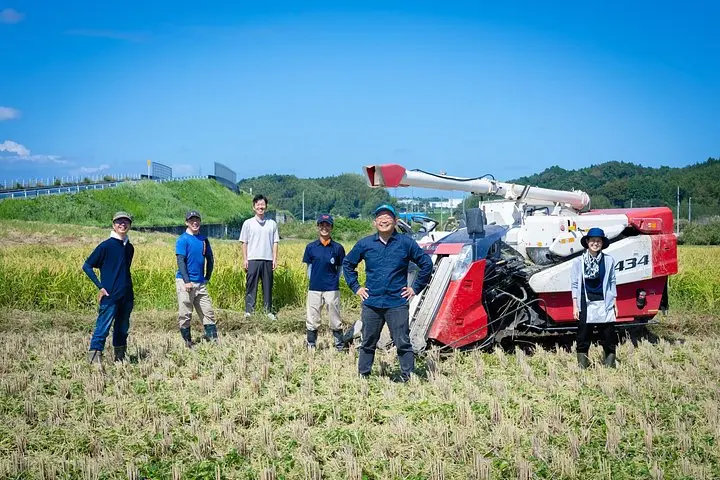
You arrive through a low country road, the horizon broken by neat green rectangles of paddy and a wooden farmhouse that smells faintly of steamed rice and wood smoke. Morning light sketches the terraces; tractors are silent witnesses beside hand tools and a drone that hums like a curious insect. At Tsuji “Tarafuku” Farm the day begins with orientation and a quick demo of drone surveys and IT systems used to monitor crop health—modern tools meeting hands-on labor.
Verified experiences and guided adventures in the surrounding area.
Operated by 千年農村でリアル稲作体験 · Tsu, Mie Prefecture
You arrive through a low country road, the horizon broken by neat green rectangles of paddy and a wooden farmhouse that smells faintly of steamed rice and wood smoke. Morning light sketches the terraces; tractors are silent witnesses beside hand tools and a drone that hums like a curious insect. At Tsuji “Tarafuku” Farm the day begins with orientation and a quick demo of drone surveys and IT systems used to monitor crop health—modern tools meeting hands-on labor.
Mie Prefecture has farmed rice for centuries, its fields shaped by irrigation channels and small community-run paddies. Geologically the area sits on alluvial plains feeding into Ise Bay, creating flat, water-rich ground ideal for rice. Culturally, rice is central to local festivals, foodways and communal labor: planting and harvesting remain social rituals as much as work.
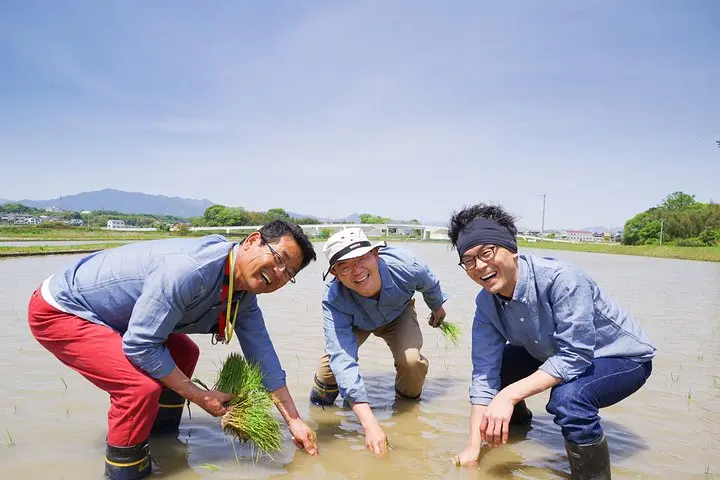
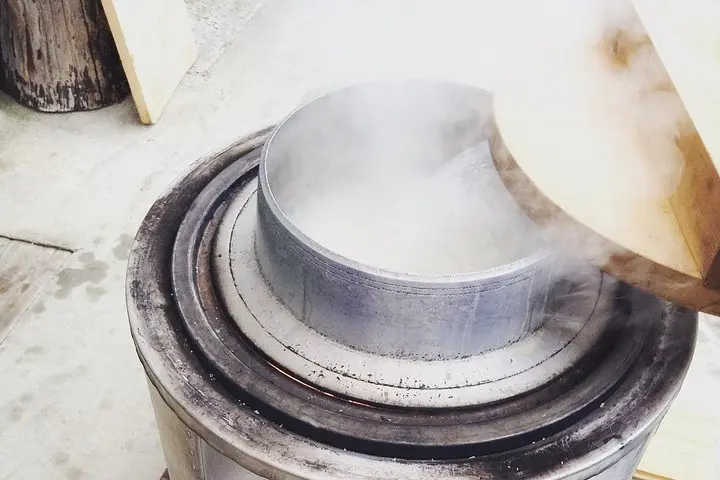
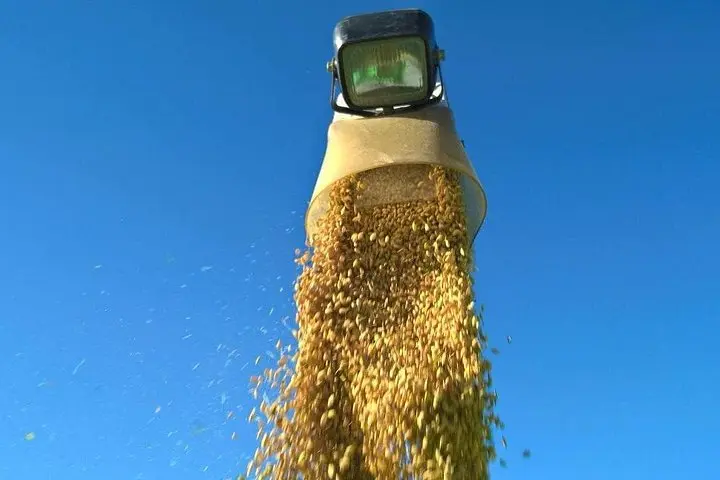
Expect to move between demonstration, hands-on planting/harvesting (seasonal), and conversation with farmers. The midday onigiri session uses freshly harvested rice and seasonal fillings—simple, direct food that explains why rice anchors Japanese cuisine. Afternoons often include seasonal tasks (weed control, transplanting, or harvest processing) followed by a group sharing at the end of the day.
Practical guidance: arrive in clothing you don’t mind muddying, bring sun protection and a refillable water bottle, and be prepared to stand and kneel on wet ground. The farm lends long boots and gloves if needed, but well-fitting ankle or calf-high rubber boots are ideal. If you want photographs, protect gear from water and mud. This private program is paced for participants of all fitness levels and rewards curiosity—ask about planting cycles and drone data; the farmers are happy to explain the why behind each practice.
Yes—this private program is designed for a wide age range; light physical activity is required and the farm can loan boots, but notify operators of mobility issues.
Wear clothes you don't mind getting dirty, closed-toe shoes or rubber boots, and layers for changing weather; the farm provides gloves and long boots if needed.
Lunch featuring onigiri and local dishes is included; inform the host of allergies or dietary needs when booking so they can adjust ingredients where possible.
Photography for personal use is fine; farm-operated drones are used in demonstrations—private drone use may be restricted, so ask beforehand.
千年農村でリアル稲作体験 operates guided outdoor trips and adventures with an emphasis on safety, stewardship, and memorable experiences.
You arrive through a low country road, the horizon broken by neat green rectangles of paddy and a wooden farmhouse that smells faintly of steamed rice and wood smoke. Morning light sketches the terraces; tractors are silent witnesses beside hand tools and a drone that hums like a curious insect. At Tsuji “Tarafuku” Farm the day begins with orientation and a quick demo of drone surveys and IT systems used to monitor crop health—modern tools meeting hands-on labor.
You arrive through a low country road, the horizon broken by neat green rectangles of paddy and a wooden farmhouse that smells faintly of steamed rice and wood smoke. Morning light sketches the terraces; tractors are silent witnesses beside hand tools and a drone that hums like a curious insect. At Tsuji “Tarafuku” Farm the day begins with orientation and a quick demo of drone surveys and IT systems used to monitor crop health—modern tools meeting hands-on labor.
Mie Prefecture has farmed rice for centuries, its fields shaped by irrigation channels and small community-run paddies. Geologically the area sits on alluvial plains feeding into Ise Bay, creating flat, water-rich ground ideal for rice. Culturally, rice is central to local festivals, foodways and communal labor: planting and harvesting remain social rituals as much as work.
Expect to move between demonstration, hands-on planting/harvesting (seasonal), and conversation with farmers. The midday onigiri session uses freshly harvested rice and seasonal fillings—simple, direct food that explains why rice anchors Japanese cuisine. Afternoons often include seasonal tasks (weed control, transplanting, or harvest processing) followed by a group sharing at the end of the day.
Practical guidance: arrive in clothing you don’t mind muddying, bring sun protection and a refillable water bottle, and be prepared to stand and kneel on wet ground. The farm lends long boots and gloves if needed, but well-fitting ankle or calf-high rubber boots are ideal. If you want photographs, protect gear from water and mud. This private program is paced for participants of all fitness levels and rewards curiosity—ask about planting cycles and drone data; the farmers are happy to explain the why behind each practice.