THE ADVENTURE COLLECTIVE® · Independent discovery and booking for outdoor travel

Trace two hours of London music history on a private walking tour through Soho, Denmark Street and other iconic sites. Expect expert stories about The Beatles, Bowie, punk and the clubs and studios that shaped modern rock.
Trace two hours of London music history on a private walking tour through Soho, Denmark Street and other iconic sites. Expect expert stories about The Beatles, Bowie, punk and the clubs and studios that shaped modern rock.
You step off a busy pavement into a corridor of sound: narrow streets catch echoes of amps, posters cling to brick, and the Thames keeps time a few blocks away. In two hours a private guide moves you through Soho back alleys, past legendary clubs and recording houses, pointing out the exact doorways, signage, and curbs where music history happened.
Verified experiences and guided adventures in the surrounding area.
Operated by The Great Weekender Experiences · London, England
You step off a busy pavement into a corridor of sound: narrow streets catch echoes of amps, posters cling to brick, and the Thames keeps time a few blocks away. In two hours a private guide moves you through Soho back alleys, past legendary clubs and recording houses, pointing out the exact doorways, signage, and curbs where music history happened.
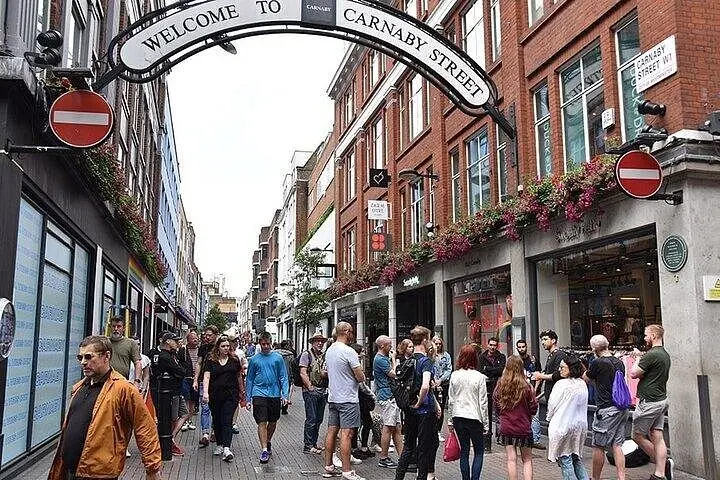
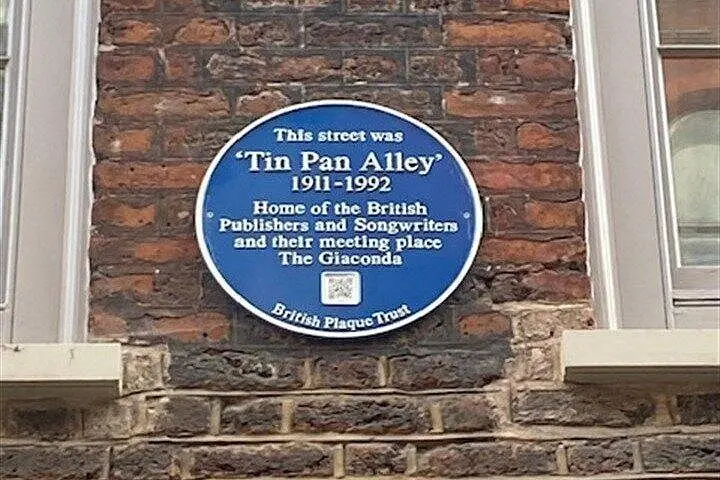
London’s modern music story is rooted in post‑war youth culture — the Swinging Sixties reshaped fashion and sound on Carnaby Street, Tin Pan Alley on Denmark Street hosted songwriters and publishers, and the grit of the 1970s punk scene detonated conventional taste in small clubs. Beneath the neon and vinyl is a city of layered geology — Victorian basements converted into studios, Georgian terraces turned into rehearsal rooms, and the River Thames, which has carried instruments, audiences and myths for centuries.
The tour balances narrative and place: expect anecdotes about The Beatles’ early London runs, Bowie’s Soho haunts, Stones and Who lore, and the sudden, scandalous nights that defined genres. Guides mix cultural context with precise directions — where to pause for a photo, which plaques to look for, and which façades retain original signage.
Practical guidance: wear comfortable shoes for two hours of standing and short walks, carry a small umbrella (London weather changes fast), and time the tour for morning or late afternoon to avoid the heaviest crowds. This is a low‑impact urban walk that rewards curiosity: listen closely, look up for hidden plaques, and leave room to pop into a record shop after the tour.
The tour lasts two hours and focuses on Soho, Denmark Street, and nearby West End sites connected to Beatles, Bowie, punk and other rock history.
Yes—it's an easy urban walk, but participants should be able to stand and navigate short distances; notify the operator of accessibility needs.
Most stops are exterior visits with stories and photo opportunities; some tours may include brief interiors if available and agreed in advance.
Most meeting points are near central Tube stations; check your booking confirmation for the exact address and nearest public transport options.
The Great Weekender Experiences operates guided outdoor trips and adventures with an emphasis on safety, stewardship, and memorable experiences.
You step off a busy pavement into a corridor of sound: narrow streets catch echoes of amps, posters cling to brick, and the Thames keeps time a few blocks away. In two hours a private guide moves you through Soho back alleys, past legendary clubs and recording houses, pointing out the exact doorways, signage, and curbs where music history happened.
You step off a busy pavement into a corridor of sound: narrow streets catch echoes of amps, posters cling to brick, and the Thames keeps time a few blocks away. In two hours a private guide moves you through Soho back alleys, past legendary clubs and recording houses, pointing out the exact doorways, signage, and curbs where music history happened.
London’s modern music story is rooted in post‑war youth culture — the Swinging Sixties reshaped fashion and sound on Carnaby Street, Tin Pan Alley on Denmark Street hosted songwriters and publishers, and the grit of the 1970s punk scene detonated conventional taste in small clubs. Beneath the neon and vinyl is a city of layered geology — Victorian basements converted into studios, Georgian terraces turned into rehearsal rooms, and the River Thames, which has carried instruments, audiences and myths for centuries.
The tour balances narrative and place: expect anecdotes about The Beatles’ early London runs, Bowie’s Soho haunts, Stones and Who lore, and the sudden, scandalous nights that defined genres. Guides mix cultural context with precise directions — where to pause for a photo, which plaques to look for, and which façades retain original signage.
Practical guidance: wear comfortable shoes for two hours of standing and short walks, carry a small umbrella (London weather changes fast), and time the tour for morning or late afternoon to avoid the heaviest crowds. This is a low‑impact urban walk that rewards curiosity: listen closely, look up for hidden plaques, and leave room to pop into a record shop after the tour.