THE ADVENTURE COLLECTIVE® · Independent discovery and booking for outdoor travel

Spend a full day on the Port Hills above Christchurch with a private guide who rigs ropes, teaches belay techniques, and chooses climbs tailored to your ability. Expect volcanic crags, sweeping harbour views, and focused instruction for beginners and seasoned climbers alike.
Spend a full day on the Port Hills above Christchurch with a private guide who rigs ropes, teaches belay techniques, and chooses climbs tailored to your ability. Expect volcanic crags, sweeping harbour views, and focused instruction for beginners and seasoned climbers alike.
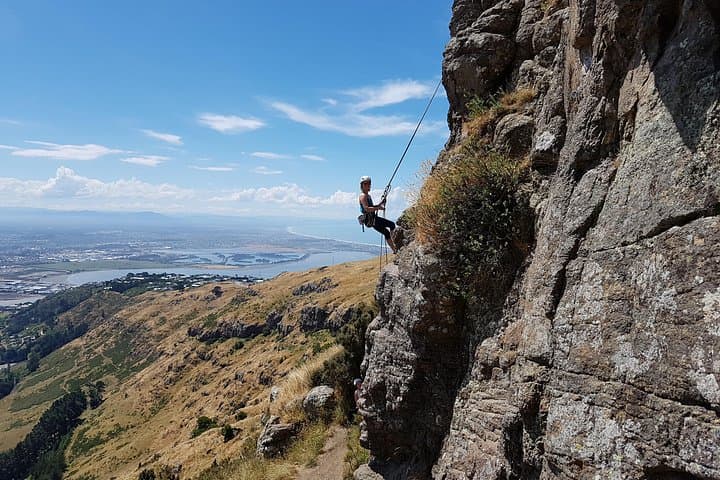
The first thing you notice as the van pulls away from Cathedral Square is the skyline: blue Pacific to the east, the ragged teeth of the Southern Alps to the west, and a low, scarped ridge—the Port Hills—cutting between them. A 30-minute drive climbs through tidy suburbs and past vineyards; houses step up the slope like spectators. At the cliffline the city drops away and the air tastes of salt and stone.
Verified experiences and guided adventures in the surrounding area.
Operated by Adventure by Nature · Christchurch, Canterbury
The first thing you notice as the van pulls away from Cathedral Square is the skyline: blue Pacific to the east, the ragged teeth of the Southern Alps to the west, and a low, scarped ridge—the Port Hills—cutting between them. A 30-minute drive climbs through tidy suburbs and past vineyards; houses step up the slope like spectators. At the cliffline the city drops away and the air tastes of salt and stone.
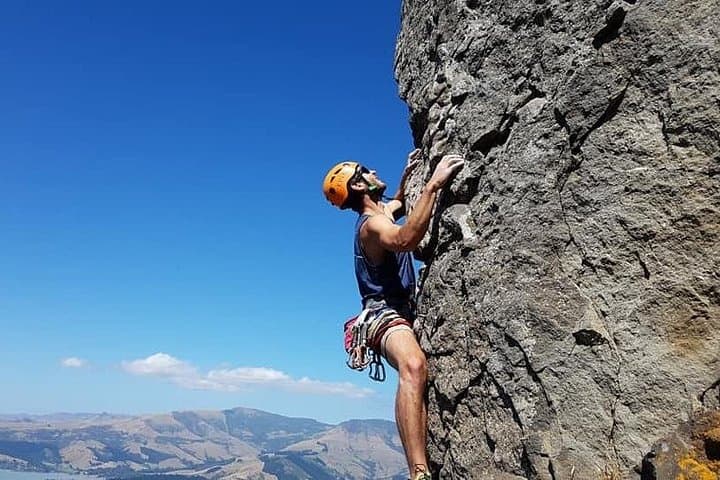
These crags sit on the rim of an enormous extinct volcano that built Banks Peninsula and shaped Lyttelton Harbour. The rock is volcanic in origin—compact, rough, and excellent for friction—and the cliffs host more than 2,000 established routes, from short sport climbs to multi-pitch lines. That abundance explains why Christchurch is one of New Zealand’s most popular climbing hubs: routes for every skill level pepper the summit and upper slopes, with views that demand occasional pauses between efforts.
Your day starts with a safety briefing and a belay lesson. Guides set up ropes and top-ropes, then tailor climbs to the group—beginner-friendly routes that teach footwork and weight transfer, or steeper problems that reward technical movement. The guide’s role is both teacher and route-picker: they read the group’s energy and push you to that one extra move while keeping margins comfortable. Lunch arrives in the shade of matagouri and kanuka scrub, a hot cup of tea loosening tired shoulders.
Beyond climbing, the area is rich in human stories. Māori used the ridgelines as travel corridors and seasonal hunting grounds, and 19th-century European quarrying left scars that now double as climbing faces. Conservation work on the Port Hills is ongoing; restoration plantings and predator control help native birds reclaim high ridgelines.
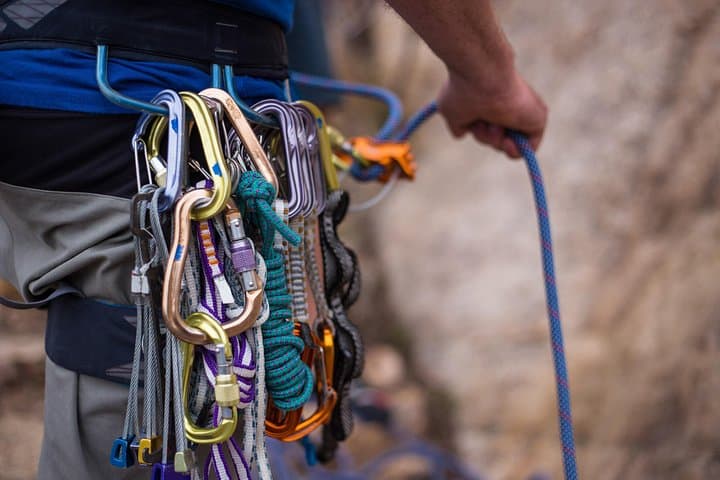
Practical notes: the operator provides climbing and safety equipment, private transport, snacks, lunch, and hot drinks. Expect a full day outdoors—roughly 6–8 hours on-site with a 30-minute transfer each way if coming from central Christchurch. Routes involve short approaches on uneven terrain and modest exposure; a moderate fitness level is required. Weather can flip quickly—sun one moment, cold wind the next—so pack layers, sun protection, and at least 2 liters of water.
Timing is everything: morning sessions mean fewer people and cooler rock; late afternoon light flatters the harbour and cityscape for photos. If you’re new to climbing, this private format is ideal: you get undivided instruction and routes selected to build confidence. If you’re experienced, bring a project mentality and ask your guide for local beta on harder lines. Either way, the Port Hills make a day of climbing feel like a proper, territorial conversation with the land—lean into it, listen to the guide, and let the rocks tell you where to step.
No—this is a private guided day that includes belay instruction and route selection to match your ability, though a moderate fitness level is recommended.
The operator supplies helmets, harnesses, ropes, and other technical equipment; you should bring personal items like shoes, gloves, and layers.
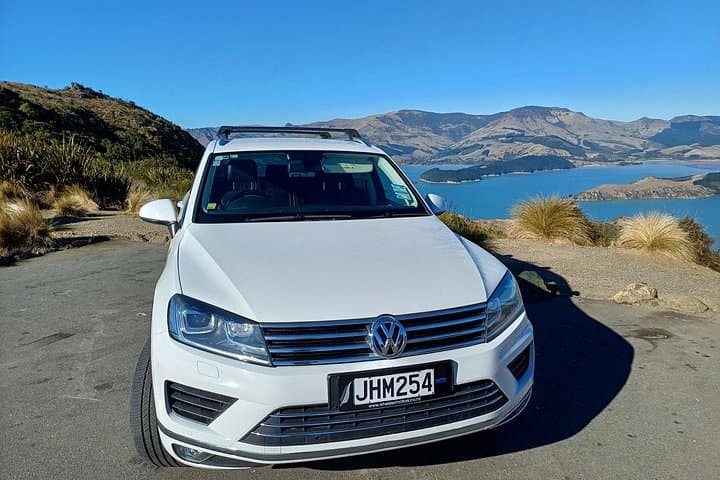
Meet beside the Citizens' War Memorial Statue at Cathedral Square in central Christchurch; the tour includes private transport to the crags.
Bookings request passenger details including age; minors can usually participate with parental consent but check with the operator when booking.
The tour can be canceled for bad weather—full refunds are available if canceled at least 24 hours in advance according to the operator’s policy.
Expect a full day of standing, climbing and short hikes; people with spinal or heart issues are advised not to participate.
Adventure by Nature operates guided outdoor trips and adventures with an emphasis on safety, stewardship, and memorable experiences.
The first thing you notice as the van pulls away from Cathedral Square is the skyline: blue Pacific to the east, the ragged teeth of the Southern Alps to the west, and a low, scarped ridge—the Port Hills—cutting between them. A 30-minute drive climbs through tidy suburbs and past vineyards; houses step up the slope like spectators. At the cliffline the city drops away and the air tastes of salt and stone.
The first thing you notice as the van pulls away from Cathedral Square is the skyline: blue Pacific to the east, the ragged teeth of the Southern Alps to the west, and a low, scarped ridge—the Port Hills—cutting between them. A 30-minute drive climbs through tidy suburbs and past vineyards; houses step up the slope like spectators. At the cliffline the city drops away and the air tastes of salt and stone.
These crags sit on the rim of an enormous extinct volcano that built Banks Peninsula and shaped Lyttelton Harbour. The rock is volcanic in origin—compact, rough, and excellent for friction—and the cliffs host more than 2,000 established routes, from short sport climbs to multi-pitch lines. That abundance explains why Christchurch is one of New Zealand’s most popular climbing hubs: routes for every skill level pepper the summit and upper slopes, with views that demand occasional pauses between efforts.
Your day starts with a safety briefing and a belay lesson. Guides set up ropes and top-ropes, then tailor climbs to the group—beginner-friendly routes that teach footwork and weight transfer, or steeper problems that reward technical movement. The guide’s role is both teacher and route-picker: they read the group’s energy and push you to that one extra move while keeping margins comfortable. Lunch arrives in the shade of matagouri and kanuka scrub, a hot cup of tea loosening tired shoulders.
Beyond climbing, the area is rich in human stories. Māori used the ridgelines as travel corridors and seasonal hunting grounds, and 19th-century European quarrying left scars that now double as climbing faces. Conservation work on the Port Hills is ongoing; restoration plantings and predator control help native birds reclaim high ridgelines.
Practical notes: the operator provides climbing and safety equipment, private transport, snacks, lunch, and hot drinks. Expect a full day outdoors—roughly 6–8 hours on-site with a 30-minute transfer each way if coming from central Christchurch. Routes involve short approaches on uneven terrain and modest exposure; a moderate fitness level is required. Weather can flip quickly—sun one moment, cold wind the next—so pack layers, sun protection, and at least 2 liters of water.
Timing is everything: morning sessions mean fewer people and cooler rock; late afternoon light flatters the harbour and cityscape for photos. If you’re new to climbing, this private format is ideal: you get undivided instruction and routes selected to build confidence. If you’re experienced, bring a project mentality and ask your guide for local beta on harder lines. Either way, the Port Hills make a day of climbing feel like a proper, territorial conversation with the land—lean into it, listen to the guide, and let the rocks tell you where to step.