THE ADVENTURE COLLECTIVE® · Independent discovery and booking for outdoor travel

Explore Ronda’s dramatic Tajo gorge, the century‑old bullring, and Santa María la Mayor on a private three‑hour walking tour. Local insights, exclusive viewpoints and timed visits make this a focused cultural and geological introduction to the town.
Explore Ronda’s dramatic Tajo gorge, the century‑old bullring, and Santa María la Mayor on a private three‑hour walking tour. Local insights, exclusive viewpoints and timed visits make this a focused cultural and geological introduction to the town.
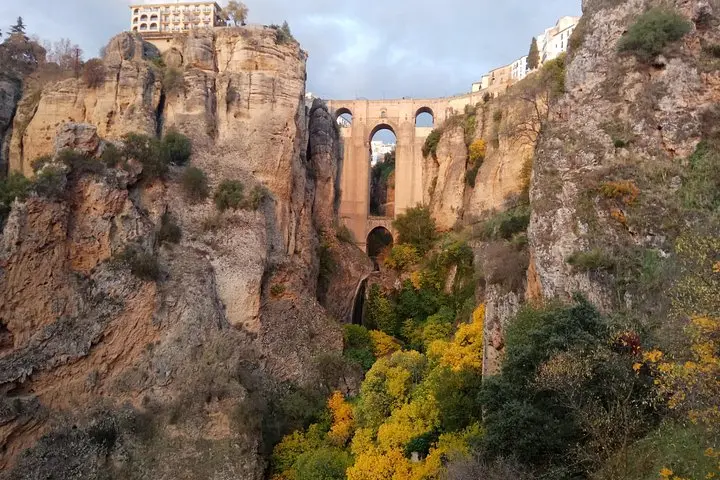
You step onto cobbled streets where the town throws its back against a sheer limestone gorge; wind from the Tajo tugs at your jacket and the Puente Nuevo frames a drop that makes your stomach take a polite step back. A local guide threads stories through stone—Moorish engineers, eighteenth‑century riders, and the rituals that shaped Ronda’s plazas.
Verified experiences and guided adventures in the surrounding area.
Operated by Nature Tours Andalucia S.L.U. · Ronda, Andalucía
You step onto cobbled streets where the town throws its back against a sheer limestone gorge; wind from the Tajo tugs at your jacket and the Puente Nuevo frames a drop that makes your stomach take a polite step back. A local guide threads stories through stone—Moorish engineers, eighteenth‑century riders, and the rituals that shaped Ronda’s plazas.
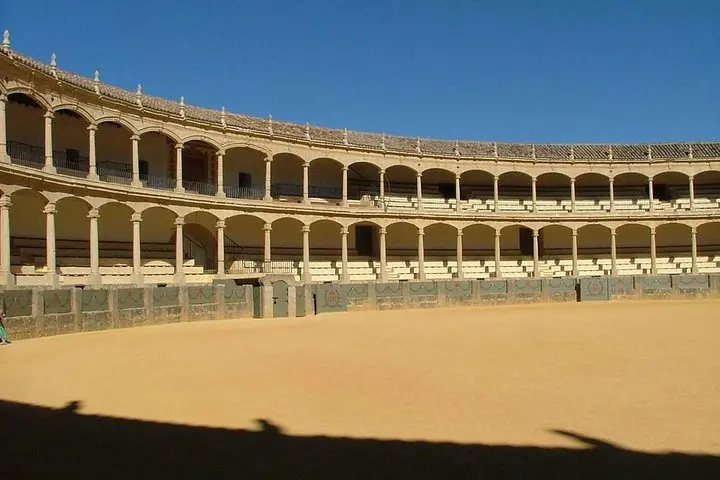
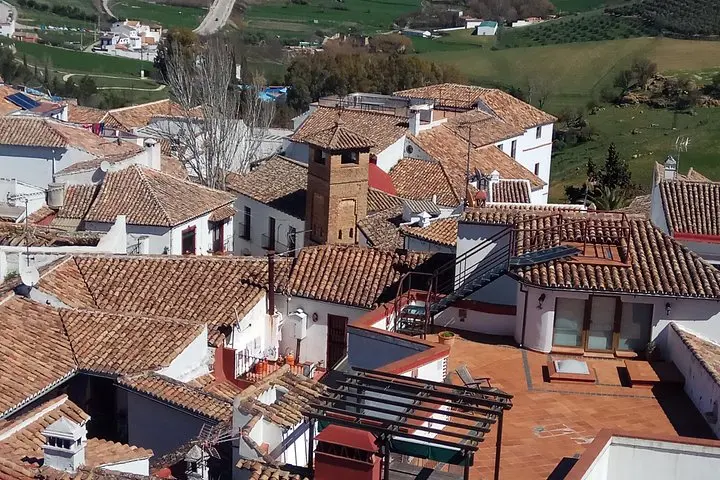
Ronda sits on a plateau carved by rivers and time. The gorge is Jurassic limestone; cliffs expose layers that once lay beneath a shallow sea. The bullring—opened 1793 and one of the oldest in Spain—anchors the town’s modern cultural history. Santa Maria la Mayor, built over a former mosque, holds Gothic-Mudejar elements and rooftop decks that double as observation platforms over the gorge.
Guided as a private three‑hour walk, the tour moves from bridge viewpoints (Mirador de Aldehuela and Gardens of Cuenca) to the vaulted passages of the bullring where the Real Maestranza’s saddle and costume collections explain why Ronda keyed Spain’s bullfighting tradition. Expect measured pacing: plenty of stops for photography and questions, and optional breaks for coffee or a glass of local wine.
Practical notes: comfortable walking shoes matter—cobbles and short staircases are everywhere. Midday in summer can be hot; mornings or late afternoons deliver softer light and cooler air. The route is largely accessible but includes uneven historic surfaces. Bring water, a light layer, and a charged phone for photos. With a private guide you can tailor the rhythm—linger on a viewpoint, or move briskly through interiors—making this a compact, culturally rich way to read Ronda’s geology and history in a single walk.
Yes—tickets for the Real Maestranza bullring and Santa María la Mayor church are included in the tour price.
Yes—this is a private tour, so the guide can adapt pacing, photography stops, and focus areas to your interests.
Much of central Ronda is historic and uneven; the operator notes wheelchair accessibility where possible but some viewpoints require steps—ask when booking for detailed access plans.
Language options depend on availability—confirm with the operator at booking; the guide is noted for engaging explanations in Spanish and often English.
Nature Tours Andalucia S.L.U. operates guided outdoor trips and adventures with an emphasis on safety, stewardship, and memorable experiences.
You step onto cobbled streets where the town throws its back against a sheer limestone gorge; wind from the Tajo tugs at your jacket and the Puente Nuevo frames a drop that makes your stomach take a polite step back. A local guide threads stories through stone—Moorish engineers, eighteenth‑century riders, and the rituals that shaped Ronda’s plazas.
You step onto cobbled streets where the town throws its back against a sheer limestone gorge; wind from the Tajo tugs at your jacket and the Puente Nuevo frames a drop that makes your stomach take a polite step back. A local guide threads stories through stone—Moorish engineers, eighteenth‑century riders, and the rituals that shaped Ronda’s plazas.
Ronda sits on a plateau carved by rivers and time. The gorge is Jurassic limestone; cliffs expose layers that once lay beneath a shallow sea. The bullring—opened 1793 and one of the oldest in Spain—anchors the town’s modern cultural history. Santa Maria la Mayor, built over a former mosque, holds Gothic-Mudejar elements and rooftop decks that double as observation platforms over the gorge.
Guided as a private three‑hour walk, the tour moves from bridge viewpoints (Mirador de Aldehuela and Gardens of Cuenca) to the vaulted passages of the bullring where the Real Maestranza’s saddle and costume collections explain why Ronda keyed Spain’s bullfighting tradition. Expect measured pacing: plenty of stops for photography and questions, and optional breaks for coffee or a glass of local wine.
Practical notes: comfortable walking shoes matter—cobbles and short staircases are everywhere. Midday in summer can be hot; mornings or late afternoons deliver softer light and cooler air. The route is largely accessible but includes uneven historic surfaces. Bring water, a light layer, and a charged phone for photos. With a private guide you can tailor the rhythm—linger on a viewpoint, or move briskly through interiors—making this a compact, culturally rich way to read Ronda’s geology and history in a single walk.