THE ADVENTURE COLLECTIVE® · Independent discovery and booking for outdoor travel

A private, full‑day drive through the Sacred Valley links the living Inca town of Ollantaytambo, the circular agricultural labs of Moray, the terraced granaries of Pisac and the artisanal salt pans of Maras. Expect short walks, high‑altitude light and deep cultural context.
A private, full‑day drive through the Sacred Valley links the living Inca town of Ollantaytambo, the circular agricultural labs of Moray, the terraced granaries of Pisac and the artisanal salt pans of Maras. Expect short walks, high‑altitude light and deep cultural context.
You step from an air‑conditioned vehicle into thin, bright mountain light and the valley speaks in terraces. The road fingers down through Andean slopes, and every turn opens a new chapter—stone terraces stacked like steps to the sky, salt pans glittering like a stitched map, and the concentric circles of Moray cutting into the earth.
Verified experiences and guided adventures in the surrounding area.
Operated by TRIPMAPI · Ollantaytambo, Cusco
You step from an air‑conditioned vehicle into thin, bright mountain light and the valley speaks in terraces. The road fingers down through Andean slopes, and every turn opens a new chapter—stone terraces stacked like steps to the sky, salt pans glittering like a stitched map, and the concentric circles of Moray cutting into the earth.
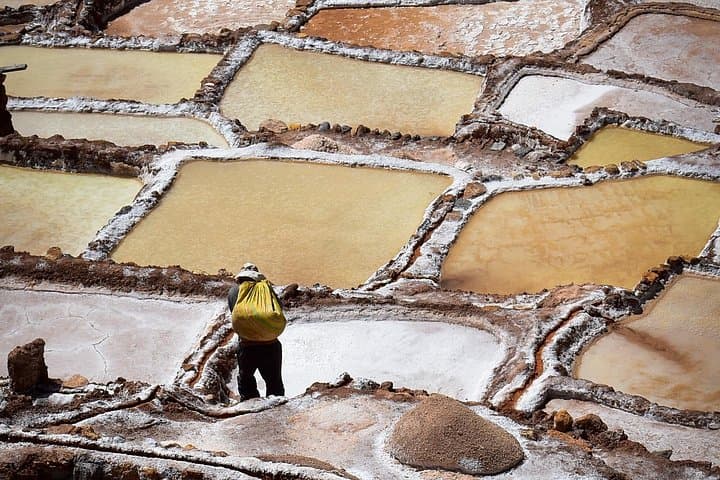
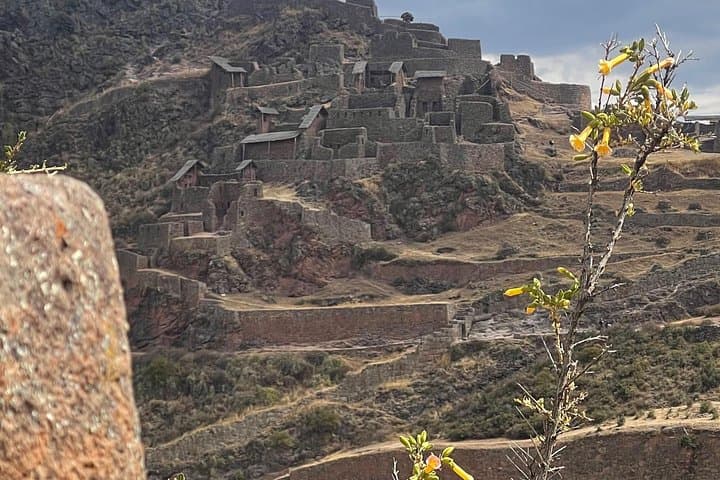
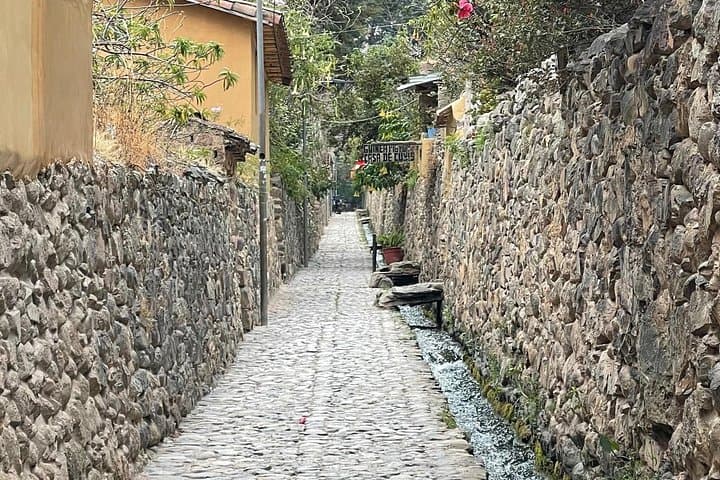
This private Sacred Valley tour threads together living Inca villages and agricultural experiments older than modern nation states. Ollantaytambo still wears its Inca street grid and fortress terraces; Pisac’s granaries and market show centuries of food storage and craft exchange; Moray exposes engineered microclimates the Incas used to test crops; the Maras salt pans are an artisanal patchwork fed by a mineral spring. Geology here is active—folded Andes, friable volcanic soils and a high‑altitude sunlight that speeds ripening and sharpens colors.
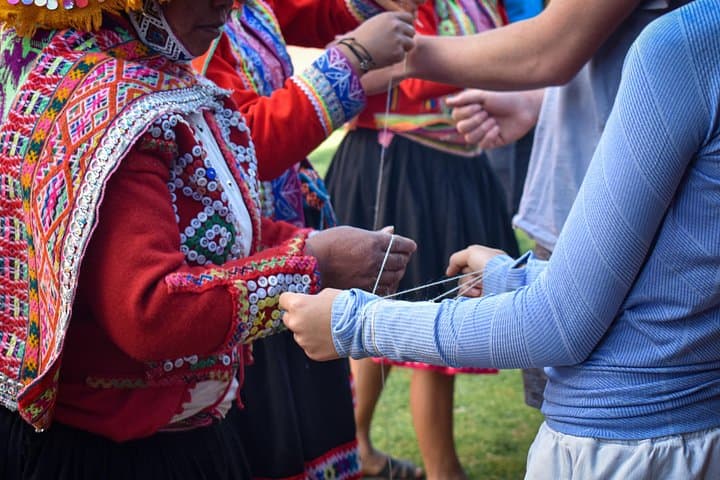
Expect cultural rhythms: farmers in woven hats, market stalls piled with tubers, and local guides who read the terraces like a living ledger. Nature pushes and rewards: thin air demands respect, rivers hurry through the valley, and winds remind you you’re on a high plate.
Practical guidance: the full itinerary runs about seven hours with roughly 4.5 hours of driving; bring layered clothing for cool mornings and strong sun by midday, a reusable water bottle, and good shoes for uneven stonework. Acclimatize in Cusco for 24–48 hours if coming from low altitude. Start early to avoid crowds at Ollantaytambo and Pisac and to make the most of clear morning views. The tour balances cultural immersion with short, mostly nontechnical walks—ideal for travelers with moderate fitness and curiosity about Andean agricultural ingenuity.
The tour lasts about seven hours total with roughly 4.5 hours of driving between sites in the Sacred Valley.
This private itinerary includes admissions to the listed sites, but confirm with the operator at booking for any seasonal changes.
Walks are short and mostly nontechnical—stone paths and terraces require balance but no climbing gear; moderate fitness is recommended.
Yes—the tour reaches elevations around 2,900–3,500 m; acclimatization and hydration reduce the risk of altitude sickness.
TRIPMAPI operates guided outdoor trips and adventures with an emphasis on safety, stewardship, and memorable experiences.
You step from an air‑conditioned vehicle into thin, bright mountain light and the valley speaks in terraces. The road fingers down through Andean slopes, and every turn opens a new chapter—stone terraces stacked like steps to the sky, salt pans glittering like a stitched map, and the concentric circles of Moray cutting into the earth.
You step from an air‑conditioned vehicle into thin, bright mountain light and the valley speaks in terraces. The road fingers down through Andean slopes, and every turn opens a new chapter—stone terraces stacked like steps to the sky, salt pans glittering like a stitched map, and the concentric circles of Moray cutting into the earth.
This private Sacred Valley tour threads together living Inca villages and agricultural experiments older than modern nation states. Ollantaytambo still wears its Inca street grid and fortress terraces; Pisac’s granaries and market show centuries of food storage and craft exchange; Moray exposes engineered microclimates the Incas used to test crops; the Maras salt pans are an artisanal patchwork fed by a mineral spring. Geology here is active—folded Andes, friable volcanic soils and a high‑altitude sunlight that speeds ripening and sharpens colors.
Expect cultural rhythms: farmers in woven hats, market stalls piled with tubers, and local guides who read the terraces like a living ledger. Nature pushes and rewards: thin air demands respect, rivers hurry through the valley, and winds remind you you’re on a high plate.
Practical guidance: the full itinerary runs about seven hours with roughly 4.5 hours of driving; bring layered clothing for cool mornings and strong sun by midday, a reusable water bottle, and good shoes for uneven stonework. Acclimatize in Cusco for 24–48 hours if coming from low altitude. Start early to avoid crowds at Ollantaytambo and Pisac and to make the most of clear morning views. The tour balances cultural immersion with short, mostly nontechnical walks—ideal for travelers with moderate fitness and curiosity about Andean agricultural ingenuity.