THE ADVENTURE COLLECTIVE® · Independent discovery and booking for outdoor travel

Explore Salalah’s coastal cliffs, Al Baleed’s frankincense history and the sensory bustle of Alqouf Souq on a private full-day tour. Expect a mix of short walks, cultural sites, and scenic drives with accessible transportation and local guidance.
Explore Salalah’s coastal cliffs, Al Baleed’s frankincense history and the sensory bustle of Alqouf Souq on a private full-day tour. Expect a mix of short walks, cultural sites, and scenic drives with accessible transportation and local guidance.
You step from an air-conditioned vehicle into a wind that smells faintly of resin and sea — frankincense and the Arabian Sea meeting on the salt-steeped air of Salalah.
Verified experiences and guided adventures in the surrounding area.
Operated by salalah trips · Salalah, Dhofar
You step from an air-conditioned vehicle into a wind that smells faintly of resin and sea — frankincense and the Arabian Sea meeting on the salt-steeped air of Salalah.
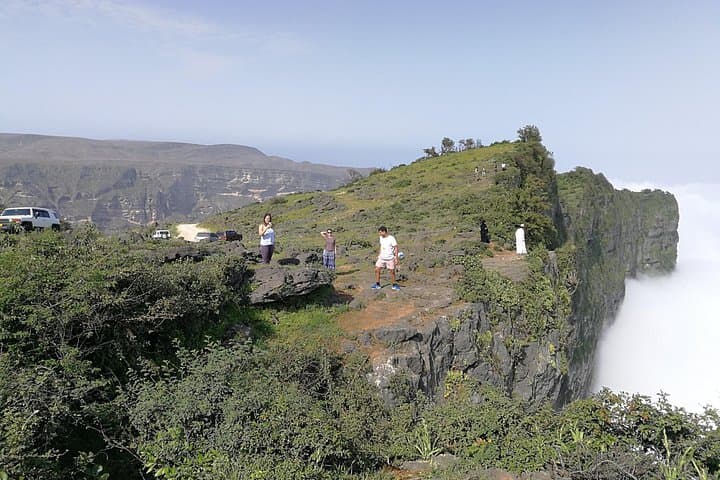
The day begins with Sultan Qaboos Mosque’s cool marble courtyards and chandeliers, then moves to Al Baleed Archaeological Park and the Frankincense Land Museum, where trade routes and dhow timetables unfold across display cases. The coastline here is geologically young: rocky headlands and broad sandy bays chiseled by monsoon winds and the Indian Ocean’s swell. Local markets — Alqouf Souq — hum with frankincense tears, Omani halwa, and the rhythm of bargaining that’s sustained Dhofar for millennia.
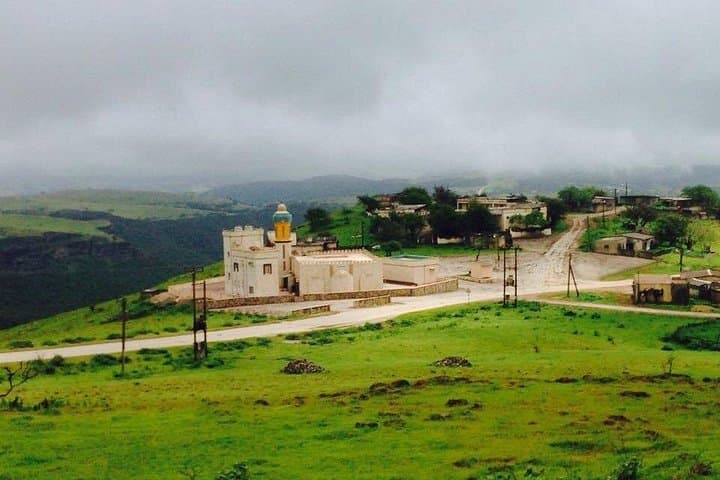
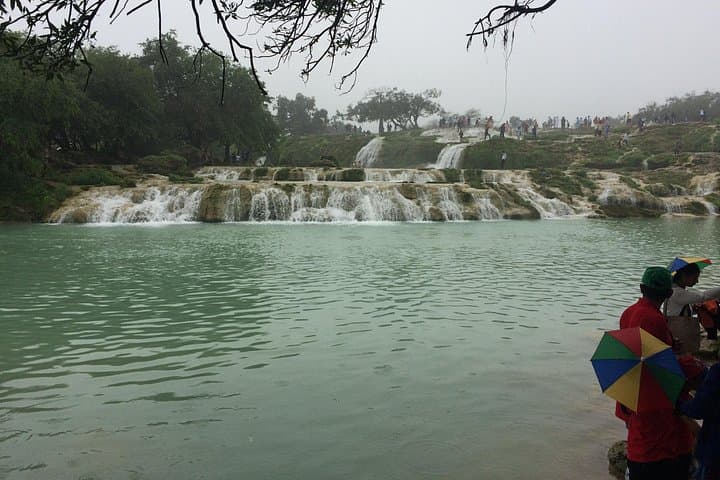
Culturally, Salalah is both Omani and maritime: a crossroads for African, South Asian and Arabian traders whose histories are visible in pottery shards and mosque architecture. The Khareef season (summer monsoon) turns nearby hills jade-green and cools the coast with mist; at other times the region sits warm and dry.
Practically, expect a full 8–9 hour private tour that mixes short walks, museum visits and market stops with extended driving along coastal roads. Wear sturdy walking shoes for uneven souq alleys and archaeological paths, bring sun protection and a refillable water bottle, and plan for modest dress at religious sites. The operator provides bottled water, tea or coffee on request and wheelchair-accessible transport if needed.
Timing matters: arrive early to avoid midday heat and use Khareef months for dramatic greenery. Keep phone charged for photos of blowholes and shoreline cliffs, and leave frankincense-packed souvenirs with vendors who can explain sourcing and etiquette.
The tour lists private transportation and typically begins/ends near central pickup points; confirm your exact pickup location when booking.
The operator indicates wheelchair-accessible transport and surfaces at many stops, but check specific site access for steep paths or uneven archaeology sites.
Khareef (roughly June–August) brings mist and monsoon-driven greenery; for cooler, dry weather choose spring (Mar–May) or autumn (Sep–Nov).
The itinerary notes admission included for the Frankincense Land Museum; ask the operator about any optional site fees before your tour.
salalah trips operates guided outdoor trips and adventures with an emphasis on safety, stewardship, and memorable experiences.

You step from an air-conditioned vehicle into a wind that smells faintly of resin and sea — frankincense and the Arabian Sea meeting on the salt-steeped air of Salalah.
You step from an air-conditioned vehicle into a wind that smells faintly of resin and sea — frankincense and the Arabian Sea meeting on the salt-steeped air of Salalah.
The day begins with Sultan Qaboos Mosque’s cool marble courtyards and chandeliers, then moves to Al Baleed Archaeological Park and the Frankincense Land Museum, where trade routes and dhow timetables unfold across display cases. The coastline here is geologically young: rocky headlands and broad sandy bays chiseled by monsoon winds and the Indian Ocean’s swell. Local markets — Alqouf Souq — hum with frankincense tears, Omani halwa, and the rhythm of bargaining that’s sustained Dhofar for millennia.
Culturally, Salalah is both Omani and maritime: a crossroads for African, South Asian and Arabian traders whose histories are visible in pottery shards and mosque architecture. The Khareef season (summer monsoon) turns nearby hills jade-green and cools the coast with mist; at other times the region sits warm and dry.
Practically, expect a full 8–9 hour private tour that mixes short walks, museum visits and market stops with extended driving along coastal roads. Wear sturdy walking shoes for uneven souq alleys and archaeological paths, bring sun protection and a refillable water bottle, and plan for modest dress at religious sites. The operator provides bottled water, tea or coffee on request and wheelchair-accessible transport if needed.
Timing matters: arrive early to avoid midday heat and use Khareef months for dramatic greenery. Keep phone charged for photos of blowholes and shoreline cliffs, and leave frankincense-packed souvenirs with vendors who can explain sourcing and etiquette.