THE ADVENTURE COLLECTIVE® · Independent discovery and booking for outdoor travel

Explore Salvador’s Old Town on a focused three-hour private walk through Castro Alves Square, the Lacerda Elevator viewpoint, baroque churches, and lively handicraft markets. Ideal for travelers who want history, architecture, and local culture condensed into a single, customizable outing.
Explore Salvador’s Old Town on a focused three-hour private walk through Castro Alves Square, the Lacerda Elevator viewpoint, baroque churches, and lively handicraft markets. Ideal for travelers who want history, architecture, and local culture condensed into a single, customizable outing.
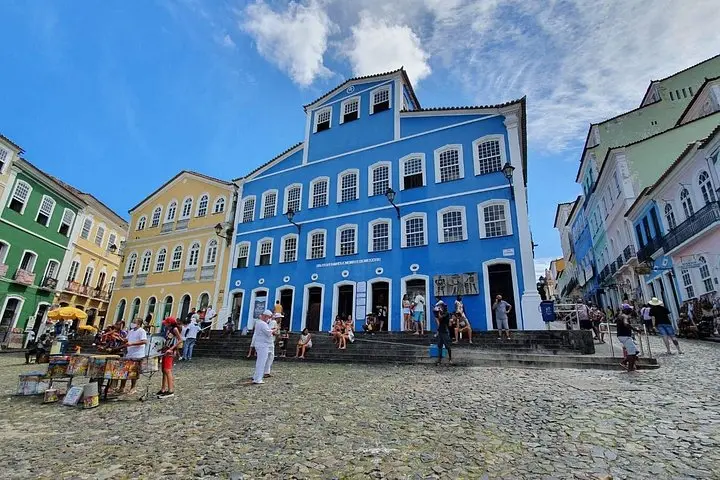
You step out onto Castro Alves Square and the city unfolds in layers—colonial façades catching late-morning light, the faint chime of church bells, and the Atlantic breeze threading through the streets. The guide leads you uphill toward the Upper City, where the Lacerda Elevator opens a broad view over the bay and the Mercado Modelo bustle below.
Verified experiences and guided adventures in the surrounding area.
Operated by Carlos Eduardo Barbosa · Salvador, Bahia
You step out onto Castro Alves Square and the city unfolds in layers—colonial façades catching late-morning light, the faint chime of church bells, and the Atlantic breeze threading through the streets. The guide leads you uphill toward the Upper City, where the Lacerda Elevator opens a broad view over the bay and the Mercado Modelo bustle below.
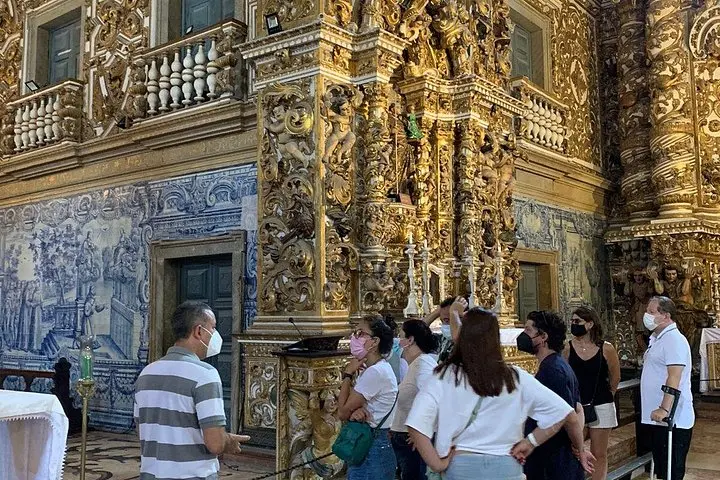
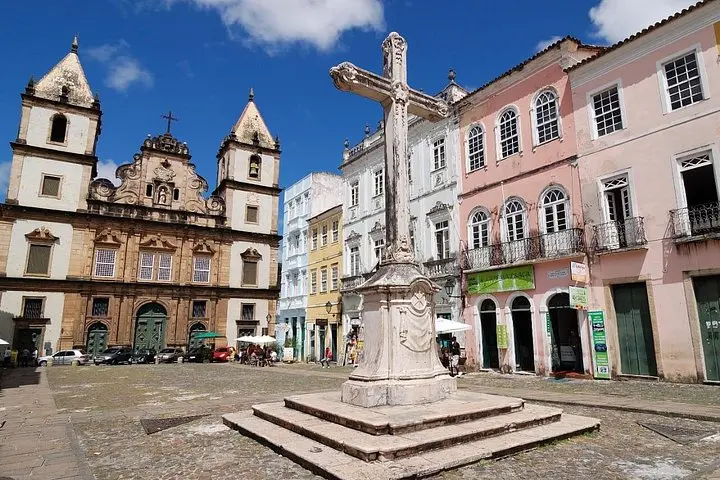
This three-hour private walk traces Salvador’s layered history: Portuguese urban planning imposed on Indigenous routes, and African cultural threads woven since the colonial era. The route follows cobbled alleys through Sé Square and Terreiro de Jesus, pauses at the Municipal Square to study the Rio Branco Palace, and moves to baroque highlights like the São Francisco Church—one of Brazil’s richest examples of gold-leaf interior work—and the Basilica Cathedral with its collection of sacred art.
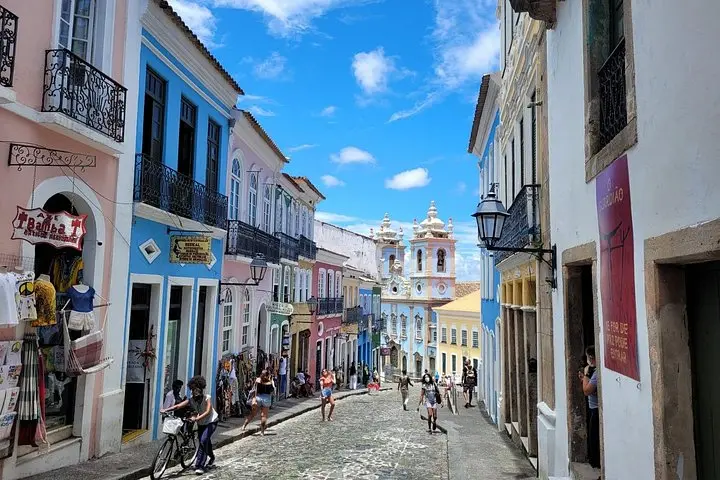
Geology and geography shape the experience: the city perches on an escarpment between Upper and Lower Salvador, so expect short but steep climbs and steps. Street life is part of the itinerary—handicraft shops, small cafés, and Jorge Amado’s neighborhood add cultural color. Local guides often explain Afro-Brazilian traditions and offer tips for sampling acarajé and local music.
Practical guidance: wear supportive shoes for cobblestones, bring sun protection and a refillable bottle (water provided), and plan for intermittent stairs and crowds. Reserve morning slots for cooler temperatures and clearer views; afternoons bring stronger sun and more market activity. This private format lets you tailor stops, whether art, architecture, or food-focused—confirm any admission fees for sites like São Francisco in advance.
Admission to some churches and museums (for example São Francisco Church and the Basilica) is typically not included—check with your guide beforehand to plan tickets.
Some parts of the route are stroller accessible, but cobblestones and stairs limit wheelchair access—ask the operator about a tailored route if accessibility is required.
Private guides frequently offer Portuguese and English; request your preferred language at booking to confirm availability.
Tipping is customary for good service in Brazil; 10–15% of the tour cost or a small cash amount per traveler is common practice.
Carlos Eduardo Barbosa operates guided outdoor trips and adventures with an emphasis on safety, stewardship, and memorable experiences.
You step out onto Castro Alves Square and the city unfolds in layers—colonial façades catching late-morning light, the faint chime of church bells, and the Atlantic breeze threading through the streets. The guide leads you uphill toward the Upper City, where the Lacerda Elevator opens a broad view over the bay and the Mercado Modelo bustle below.
You step out onto Castro Alves Square and the city unfolds in layers—colonial façades catching late-morning light, the faint chime of church bells, and the Atlantic breeze threading through the streets. The guide leads you uphill toward the Upper City, where the Lacerda Elevator opens a broad view over the bay and the Mercado Modelo bustle below.
This three-hour private walk traces Salvador’s layered history: Portuguese urban planning imposed on Indigenous routes, and African cultural threads woven since the colonial era. The route follows cobbled alleys through Sé Square and Terreiro de Jesus, pauses at the Municipal Square to study the Rio Branco Palace, and moves to baroque highlights like the São Francisco Church—one of Brazil’s richest examples of gold-leaf interior work—and the Basilica Cathedral with its collection of sacred art.
Geology and geography shape the experience: the city perches on an escarpment between Upper and Lower Salvador, so expect short but steep climbs and steps. Street life is part of the itinerary—handicraft shops, small cafés, and Jorge Amado’s neighborhood add cultural color. Local guides often explain Afro-Brazilian traditions and offer tips for sampling acarajé and local music.
Practical guidance: wear supportive shoes for cobblestones, bring sun protection and a refillable bottle (water provided), and plan for intermittent stairs and crowds. Reserve morning slots for cooler temperatures and clearer views; afternoons bring stronger sun and more market activity. This private format lets you tailor stops, whether art, architecture, or food-focused—confirm any admission fees for sites like São Francisco in advance.