THE ADVENTURE COLLECTIVE® · Independent discovery and booking for outdoor travel

Walk from the Presidio to the County Courthouse with a local guide who highlights Spanish‑era adobes, George Washington Smith architecture, and secret courtyards. This private 2–3 hour tour blends history, design, and practical local insight to tailor the route to your interests.
Walk from the Presidio to the County Courthouse with a local guide who highlights Spanish‑era adobes, George Washington Smith architecture, and secret courtyards. This private 2–3 hour tour blends history, design, and practical local insight to tailor the route to your interests.
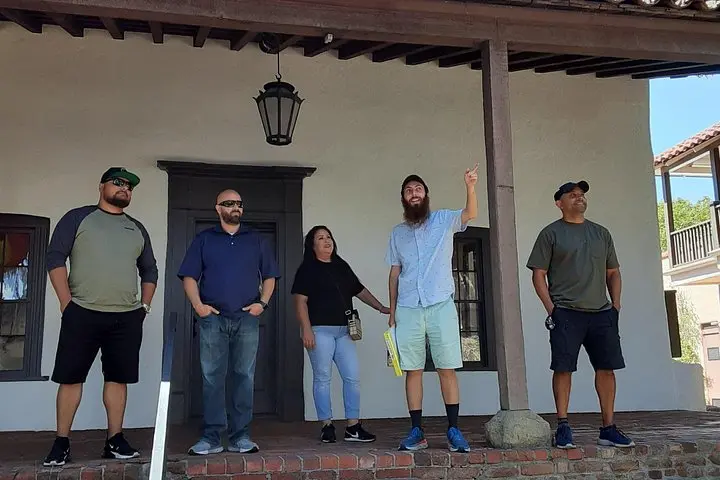
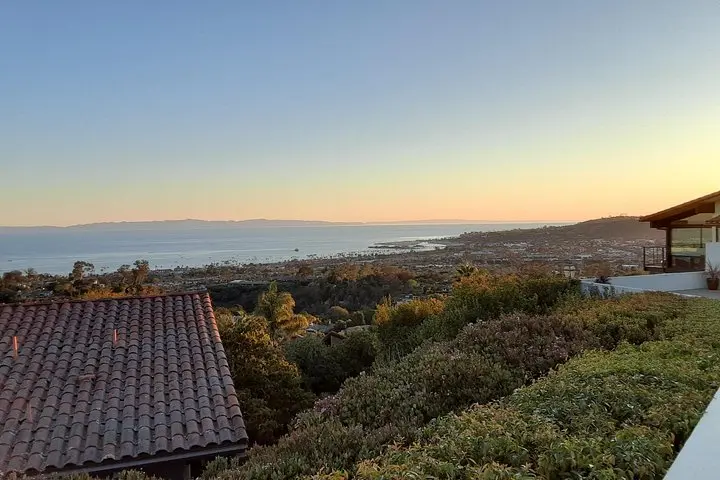
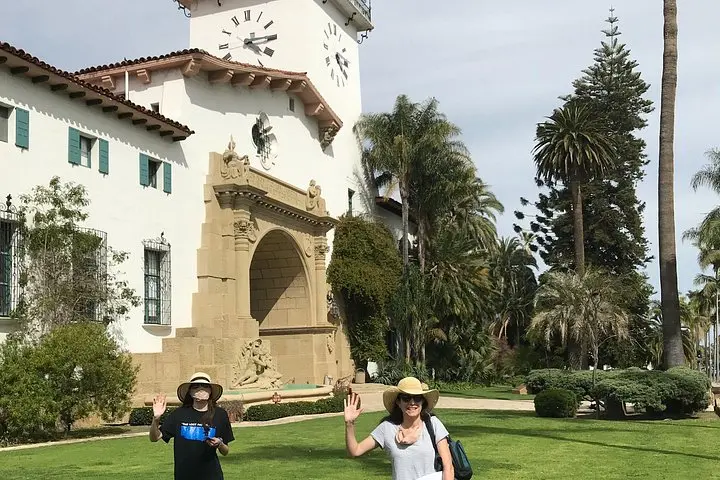
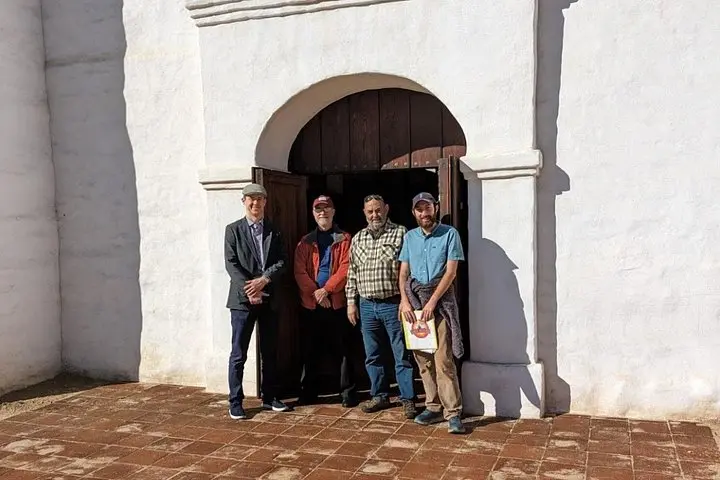
Morning light slants across red-tile roofs as your guide leads you from a low stone fort toward sun-bathed stucco and tiled courtyards. You move through streets where adobe walls still remember Spanish soldiers, where George Washington Smith’s pastel studios crouch behind wisteria, and where the courthouse clock tower opens a 360-degree portal to sea and mountains.
Verified experiences and guided adventures in the surrounding area.
Operated by Sullivan Israel · Santa Barbara, California
Morning light slants across red-tile roofs as your guide leads you from a low stone fort toward sun-bathed stucco and tiled courtyards. You move through streets where adobe walls still remember Spanish soldiers, where George Washington Smith’s pastel studios crouch behind wisteria, and where the courthouse clock tower opens a 360-degree portal to sea and mountains.
This walk stitches together Santa Barbara’s colonial and 20th‑century rebirth: an 18th‑century Presidio built from local clay and thatch; Mexican‑era adobes from the mid‑1800s; and the city’s deliberate 1920s conversion to Spanish Colonial Revival after a devastating earthquake. Geology is subtle but present — the nearby Santa Ynez foothills press inland, shaping drainage and historic settlement patterns, while the Pacific’s maritime influence keeps winters mild and summers cool.
Culturally, this downtown carries California’s layered identities: Chumash land, Spanish mission outpost, Mexican‑era rancho hub, then an American civic reimagining. Your guide’s local knowledge points to less‑visited courtyards, living trees imported during early civic plantings, and the festivals that still animate Plaza de la Guerra.
Practical guidance: expect 2–3 hours of easy walking on paved streets and some uneven adobe thresholds; wear comfortable shoes, sun protection, and bring water. Tours are private and adaptable — request architecture, adobe construction, or garden focus when you book. Midday light is best for exterior photography; early morning or late afternoon offers cooler temperatures and softer shadows for details.
Yes — the tour notes wheelchair accessibility; inform the operator of mobility needs when booking to confirm route details.
This is a private tour; group size is based on your booking — it's tailored to your party only.
Most exterior stops are free to view; some museums or paid exhibits (like certain adobe museums) are optional and may require admission if you choose to enter.
The listing specifies English by default; ask the operator in advance if you need another language or a bilingual guide.
Sullivan Israel operates guided outdoor trips and adventures with an emphasis on safety, stewardship, and memorable experiences.
Morning light slants across red-tile roofs as your guide leads you from a low stone fort toward sun-bathed stucco and tiled courtyards. You move through streets where adobe walls still remember Spanish soldiers, where George Washington Smith’s pastel studios crouch behind wisteria, and where the courthouse clock tower opens a 360-degree portal to sea and mountains.
Morning light slants across red-tile roofs as your guide leads you from a low stone fort toward sun-bathed stucco and tiled courtyards. You move through streets where adobe walls still remember Spanish soldiers, where George Washington Smith’s pastel studios crouch behind wisteria, and where the courthouse clock tower opens a 360-degree portal to sea and mountains.
This walk stitches together Santa Barbara’s colonial and 20th‑century rebirth: an 18th‑century Presidio built from local clay and thatch; Mexican‑era adobes from the mid‑1800s; and the city’s deliberate 1920s conversion to Spanish Colonial Revival after a devastating earthquake. Geology is subtle but present — the nearby Santa Ynez foothills press inland, shaping drainage and historic settlement patterns, while the Pacific’s maritime influence keeps winters mild and summers cool.
Culturally, this downtown carries California’s layered identities: Chumash land, Spanish mission outpost, Mexican‑era rancho hub, then an American civic reimagining. Your guide’s local knowledge points to less‑visited courtyards, living trees imported during early civic plantings, and the festivals that still animate Plaza de la Guerra.
Practical guidance: expect 2–3 hours of easy walking on paved streets and some uneven adobe thresholds; wear comfortable shoes, sun protection, and bring water. Tours are private and adaptable — request architecture, adobe construction, or garden focus when you book. Midday light is best for exterior photography; early morning or late afternoon offers cooler temperatures and softer shadows for details.